
- PDF 안내
-
이 상품은 구매 후 지원 기기에서 예스24 eBook앱 설치 후 바로 이용 가능한 상품입니다.
상세 이미지

소개
목차
|
서문 | Preface 제1부 장소에 남은 세계유산
|
저자 소개 1
저자는 특이한 경력의 소유자다. ‘삼성전자(대기업)+한소프트넷(벤처기업)+창업+겸임교수’ 업무를 경험하였고, 그동안의 경험을 실전 현장인 자동차 금형 제조공장에서 공장장으로 근무하면서 바코드를 활용한 무인화된 재고관리, 구글 계정을 활용한 전자결재 및 중앙 데이터베이스화, 자체 온라인 교육센터 구축 및 평가 보상 체계 마련, 셀프 리더십으로 함께하는 5S3정 시행, 실시간 공정 협업이 실무적으로 가능한 스마트 팩토리 체계 등을 도입하였다.
코로나19 사태로 ‘기업의 패러다임도 바뀌어야 한다.’며 국제경력개발협회 산하 기업역량강화센터를 이러닝으로 구축하여 널리 보급하고자 활동하고 있다.
김익순의 다른 상품
-
eBook[대여] 프랑스 유네스코 유산 UNESCO Heritage of France 이동[대여] 프랑스 유네스코 유산 UNESCO Heritage of France9,900원
-
eBook[대여] 인도네시아·말레이시아·싱가포르 유네스코 유산 UNESCO Heritage of Indonesia, Malaysia and Singapore 이동[대여] 인도네시아·말레이시아·싱가포르 유네스코 유산 UNESCO Heritage of Indonesia, Malaysia and Singapore9,900원
저자는 서로 다른 배경을 가진 사람들이 같은 장소와 사건을 어떻게 이해하는지에 관심을 두고, 여행과 일상에서 문화에 관한 대화를 나눌 때 곁에 둘 수 있는 책을 집필하고 있다. 삼성전자 본사 전략기획총괄 인사팀에서 전략기획과 인사 업무를 맡았으며, 외국계 제조기업의 경영지원 임원으로 근무한 뒤 기업을 창업해 운영했다.
관련 집필 도서에는 『미국문화300』과 『글로벌 문화 실수 100』이 있다. 생활문화와 문화적 차이를 다뤄 온 집필 활동은, 한 국가의 문화를 하나의 성격이나 관습으로 단정하지 않고 구체적인 상황과 사람들의 경험을 살피는 이번 책의 접근과 이어진다.
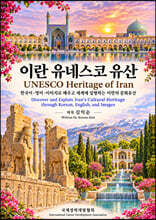
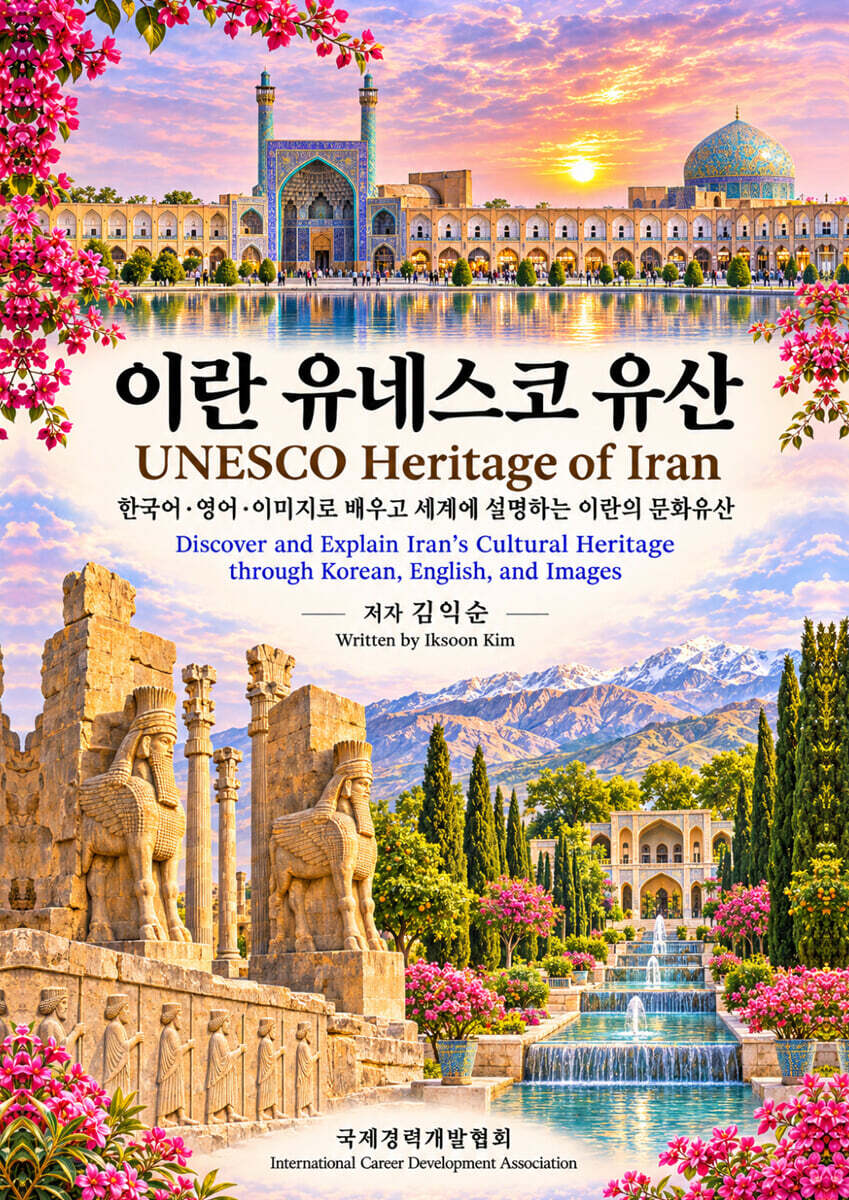
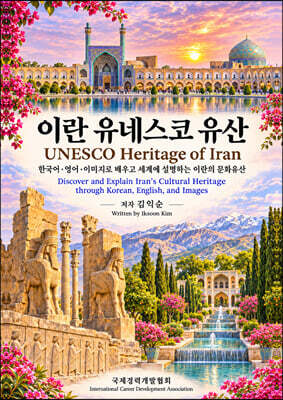
『이란 유네스코 유산』에서는 도시와 건축, 공예와 음악, 기록물에 남은 서로 다른 활동을 한국어와 영어로 설명한다. 눈앞의 형태를 관찰하고 그 쓰임과 전승을 질문하며, 공식 자료에서 확인한 사실을 바탕으로 다른 사람과 이야기를 나눌 수 있도록 구성했다.
The author writes about how people from different backgrounds understand the same places and events, producing books that readers can keep at hand for cultural conversations in travel and everyday life. He worked in strategic planning and human resources within Samsung Electronics’ headquarters strategic planning organisation, served as a corporate support executive at a foreign-affiliated manufacturing company, and later founded and ran a business.
His related books include American Culture 300 and 100 Global Cultural Mistakes. This work on everyday culture and cultural differences connects with the present book’s attention to particular situations and people’s experiences, rather than treating a country’s culture as a single character or custom.
In UNESCO Heritage of Iran, he explains activities reflected in cities and architecture, crafts and music, and d-ocumentary records in Korean and English. The book encourages observation of visible forms, questions about their use and transmission, and conversation grounded in facts drawn from official sources.
품목정보
- 발행일
- 2026년 11월 26일
- 지원기기
- 크레마, PC(윈도우 - 4K 모니터 미지원), 아이폰, 아이패드, 안드로이드폰, 안드로이드패드, 전자책단말기(저사양 기기 사용 불가)
- 파일/용량
- PDF(DRM) | 32.24MB ?
- 글자 수/ 페이지 수
- 약 469쪽 ?
- ISBN13
- 9791123178226
출판사 리뷰
|
이 책의 특징은 유산을 바라보는 시선을 눈에 보이는 형태에서 그것을 설명할 근거와 이어 온 사람들의 활동으로 옮긴다는 점이다. 벽과 악기, 필사본을 제시한 뒤 무엇을 관찰할 수 있고 무엇은 다른 기록과 함께 판단해야 하는지 구분한다. 독자는 유산의 이름과 연대를 익히는 동시에, 남아 있는 자료로 어디까지 이야기할 수 있는지를 생각하게 된다. 헤그마타네 편은 이러한 태도를 구체적으로 보여 준다. 발굴된 흙벽을 도시의 역사에 들어가는 단서로 삼으면서도 모든 벽을 곧바로 메디아 시대의 것으로 설명하지 않는다. 보존을 위해 씌운 덮개와 전통 재료를 이용한 부분 복원도 함께 다룬다. 현장에서 보이는 높이와 형태가 발굴 당시 그대로인지 묻는 과정은 오래된 도시를 단일한 시대의 완성된 모습으로 상상하기보다, 겹쳐진 시간과 오늘의 보존 작업을 함께 보도록 이끈다. 납작빵 편에서는 문화의 공통점과 차이를 다루는 방식이 드러난다. 반죽을 펴고 굽고 나누는 공동작업을 설명하면서 화덕과 쇠판 등 서로 다른 도구, 가족과 이웃 및 제빵 장인의 배움, 의례에서 빵을 나누는 쓰임을 연결한다. 그러면서 한 지역의 관습을 이란 전체나 공동등재한 모든 나라의 규칙으로 넓히지 않는다. 독자가 문화적 차이를 미리 단정하기보다 상대가 실제로 경험한 방식을 물어볼 수 있게 한다는 점에서 대화 질문과 본문이 맞물린다. 『자메 알타와리크』 편은 기록유산을 읽는 관점을 더한다. 같은 역사서를 옮긴 1595년과 1665년의 두 사본을 제작 배경, 장수와 그림 수, 필경사와 화가의 역할, 인장과 소장 이력으로 나누어 설명한다. 이를 통해 문헌은 유명한 저자의 생각만 담은 그릇이 아니라 여러 시대의 제작자와 독자가 남긴 물건으로 보인다. 궁전 박물관의 관람과 도서관 필사본의 실물 열람을 구별하는 안내도 기록의 소장처를 아는 일과 실제 접근하는 일이 다름을 이해하게 한다. 한국어에서 이해한 장면을 영어 본문에서 다시 읽고, 질문 하나를 골라 대화로 옮기며, 공식 자료로 확인 범위를 넓힐 수 있다는 점도 이 관점과 연결된다. 여행 전에 방문지를 살피는 독자뿐 아니라 한 유물이나 문헌을 중심으로 문화와 역사를 알아가려는 독자에게 맞는 구성이다. 흥미로운 대상을 본 뒤 그 형태와 쓰임, 전해진 경로를 차례로 묻는 독서 경험이 이 책의 구체적인 가치다. The book’s distinctive quality is the way it moves from a heritage object’s visible form to the evidence that explains it and the activities of people who have sustained it. After introducing walls, instruments or manuscripts, it distinguishes what can be observed from what requires other records. Readers encounter names and dates while also considering how far the surviving evidence permits an account to go. Hegmataneh demonstrates this approach. Excavated mudbrick walls introduce the city’s history, but they are not all assigned automatically to the Median period. Protective coverings and partial restoration using traditional materials also enter the discussion. Asking whether visible heights and forms remain as excavated encourages readers to consider layers of time and present conservation work, rather than imagine a complete city belonging to a single period. The flatbread chapter shows how the book handles cultural similarities and differences. Rolling, baking and sharing are connected with different tools, including ovens and heated metal plates, with learning among families, neighbours and professional bakers, and with ritual uses of bread. Yet a local practice is not extended into a rule for all of Iran or every country in the shared inscription. The questions and account work together by inviting readers to ask about another person’s actual experience instead of deciding in advance what a cultural difference must mean. Jāme’ al-Tavarikh adds a way of reading d-ocumentary heritage. The 1595 and 1665 copies of the same historical work are distinguished by their production settings, folio and illustration counts, the roles of scribes and painters, and their seals and ownership histories. A manuscript consequently appears as an object bearing traces of makers and readers across different periods, as well as a vehicle for a celebrated author’s ideas. The distinction between visiting a palace museum and consulting library manuscripts also clarifies the difference between knowing a custodian and gaining access to the material. The opportunity to revisit a scene in English after reading it in Korean, choose a question for conversation and extend enquiry through official sources supports this approach. The structure suits readers preparing to visit places as well as those exploring culture and history through a particular object or d-ocument. Its concrete value lies in a reading experience that follows an engaging subject with successive questions about its form, use and transmission. |
