

이미 소장하고 있다면 판매해 보세요.
- 국내배송만 가능
- 문화비소득공제 가능
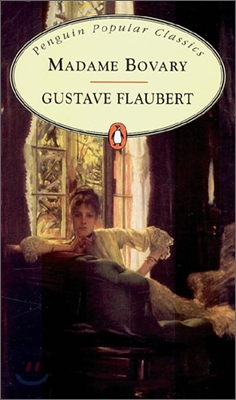
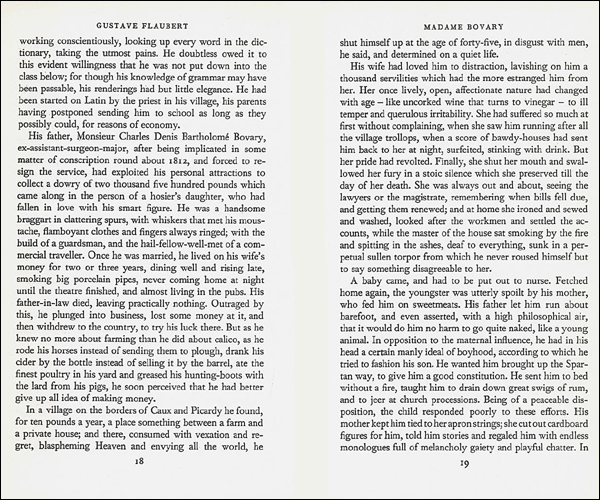
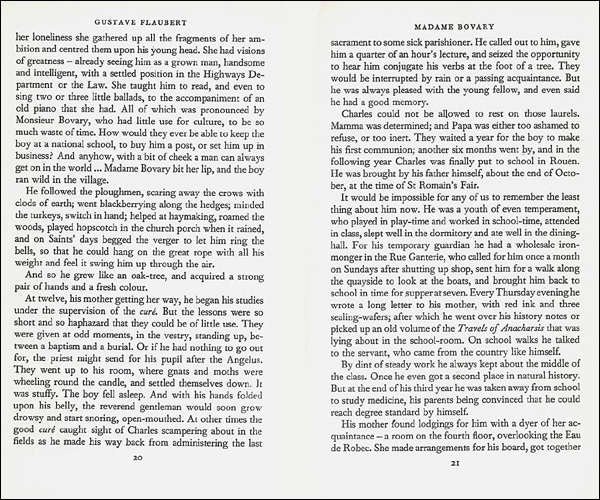
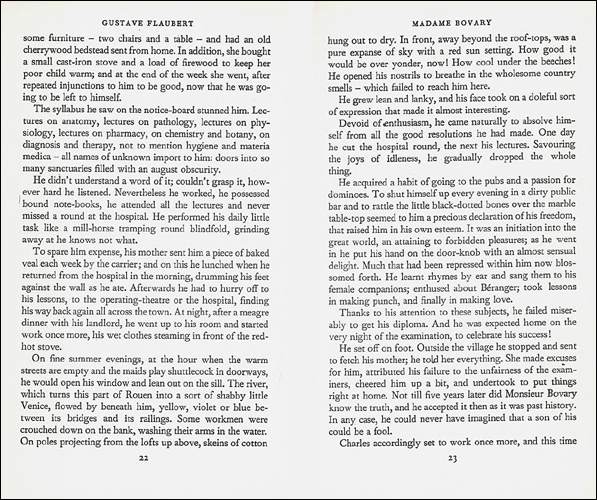
Penguin Popular Classics

책소개
저자 소개
저자 : 구스타프 플로베르 (Gustave Flaubert)
에밀 졸라와 함께 프랑스 사실주의 소설의 완벽한 경지를 보여주는 그는 사실 매우 내성적이고 몽환적인 낭만주의자였다. 작품에 대한 그의 엄격성은 자연과학의 인과관계를 탐구해 인간의 심층심리를 파헤치려는 의도에 앞서 자신의 낭만적인 환상과 현실의 의리를 완충하려는 노력에서 비롯된 것이라 한다. 따라서 그의 작업은 고통스러운 것이고 그러한 고통 속에서 탄생된 작품은 단어 하나만 빼도 그 작품 전체의 골격이 무너지는 완벽한 예술품이 되는 것이다. 대표작품으로는『보바리 부인』『살람보』『감정교육』이 있다.
Gustave Flaubert was born in Rouen in 1821, the son of a prominent physician. A solitary child, he was attracted to literature at an early age, and after his recovery from a nervous breakdown suffered while a law student, he turned his total energies to writing. Aside from journeys to the Near East, Greece, Italy, and North Africa, and a stormy liaison with the poetess Louise Colet, his life was dedicated to the practice of his art. The form of his work was marked by intense aesthetic scrupulousness and passionate pursuit of le mot juste; its content alternately reflected scorn for French bourgeois society and a romantic taste for exotic historical subject matter. The success of Madame Bovary (1857) was ensured by government prosecution for “immorality”; Salammbo (1862) and The Sentimental Education (1869) received a cool public reception; not until the publication of Three Tales (1877) was his genius popularly acknowledged. Among fellow writers, however, his reputation was supreme. His circle of friends included Turgenev and the Goncourt brothers, while the young Guy de Maupassant underwent an arduous literary apprenticeship under his direction. Increasing personal isolation and financial insecurity troubled his last years. His final bitterness and disillusion were vividly evidenced in the savagely satiric Bouvard and Pecuchet, left unfinished at his death in 1880.
Gustave Flaubert was born in Rouen in 1821, the son of a prominent physician. A solitary child, he was attracted to literature at an early age, and after his recovery from a nervous breakdown suffered while a law student, he turned his total energies to writing. Aside from journeys to the Near East, Greece, Italy, and North Africa, and a stormy liaison with the poetess Louise Colet, his life was dedicated to the practice of his art. The form of his work was marked by intense aesthetic scrupulousness and passionate pursuit of le mot juste; its content alternately reflected scorn for French bourgeois society and a romantic taste for exotic historical subject matter. The success of Madame Bovary (1857) was ensured by government prosecution for “immorality”; Salammbo (1862) and The Sentimental Education (1869) received a cool public reception; not until the publication of Three Tales (1877) was his genius popularly acknowledged. Among fellow writers, however, his reputation was supreme. His circle of friends included Turgenev and the Goncourt brothers, while the young Guy de Maupassant underwent an arduous literary apprenticeship under his direction. Increasing personal isolation and financial insecurity troubled his last years. His final bitterness and disillusion were vividly evidenced in the savagely satiric Bouvard and Pecuchet, left unfinished at his death in 1880.
품목정보
- 발행일
- 1995년 03월 30일
- 쪽수, 무게, 크기
- 360쪽 | 196g | 110*180*22mm
- ISBN13
- 9780140624113
사락 별점0
혜택 및 유의사항밑줄0
혜택 및 유의사항상품정보안내
직수입외서의 경우, 해외거래처에서 제공하는 정보가 부족하여 제목, 표지, 가격, 유통상태 등의 정보가 미비하거나 변경되는 경우가 있습니다. 정확한 확인을 원하시는 경우, 일대일 상담으로 문의하여 주시면 답변 드리겠습니다.
(판형과 판수 등이 다양한 도서는 찾으시는 도서의 ISBN을 알려 주시면 보다 빠르고 정확한 안내가 가능합니다.)
해외거래처에서 품절인 경우, 2차 거래선을 통해 유럽과 미국 출판사로 직접 수입이 진행될 수 있습니다.
수입 진행 시점으로 부터 2~3주가 추가로 소요되며, 해외에서도 유통이 원활하지 않은 도서는 품절 안내가 지연될 수 있습니다.
해당 경우, 문자와 메일로 별도 안내를 드리고 있사오니 마이페이지에서 휴대전화번호와 메일주소를 다시 한번 확인해주시기 바랍니다.
(판형과 판수 등이 다양한 도서는 찾으시는 도서의 ISBN을 알려 주시면 보다 빠르고 정확한 안내가 가능합니다.)
해외거래처에서 품절인 경우, 2차 거래선을 통해 유럽과 미국 출판사로 직접 수입이 진행될 수 있습니다.
수입 진행 시점으로 부터 2~3주가 추가로 소요되며, 해외에서도 유통이 원활하지 않은 도서는 품절 안내가 지연될 수 있습니다.
해당 경우, 문자와 메일로 별도 안내를 드리고 있사오니 마이페이지에서 휴대전화번호와 메일주소를 다시 한번 확인해주시기 바랍니다.
