
이미 소장하고 있다면 판매해 보세요.
- 국내배송만 가능
- 문화비소득공제 가능
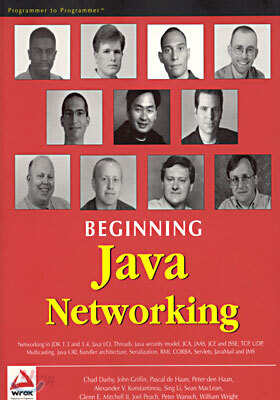
BEGINNING
-
 Beginning JSP 2: From Novice to Professional 이동Beginning JSP 2: From Novice to Professional67,980원
 -
Beginning SQL Server 2000 DBA: From Novice to Professional 이동Beginning SQL Server 2000 DBA: From Novice to Professional84,980원
책소개
목차
|
1. Network Concepts
Introduction to Java Networking Network Basics Network Application Models Internet Basics 2. Java Preliminaries Java I/O Threads Java Security Model 3. Java Networking DNS and Internet Addresses TCP Network Programming UDP Network Programming Multicast Networking URLs, Protocol Handlers, and Content Handlers An Example: Implementing an HTTP Server Making Your Applications More Secure 4. Java Distributed Networking Object Serialization Distributing Your Objects with RMI Distributing Your Objects with CORBA Working with E-Mail Working with Message Queues Servlets An Example: B2B Supply Chain 5. Further Networking Where to Next? Networking in JDK 1.4 Appendices Appendix A: HTTP Headers and Response Codes Appendix B: Installing and Configuring Tomcat Appendix C: Networking IETF Requests for Comments (RFCs) Appendix D: Debugging Networking Problems |
관련 분류
- 카테고리 분류
품목정보
- 발행일
- 2001년 09월 01일
- 쪽수, 무게, 크기
- 812쪽 | 1335g | 크기확인중
- ISBN13
- 9781861005601
책 속으로
|
First, an SSLContext is created, using the static getInstance() method, to which we pass the actual secure protocol implementation that we want to use. Objects of this class represent a secure socket protocol implementation that acts as a factory for secure socket factories (objects that create secure sockets). Because certificates are in a specific standard such as ISO X.509, we need a key manager factory that is able to handle keys in this format. We create a key manager factory using the static method getInstance().
--- p.503 |
사락 별점0
혜택 및 유의사항밑줄0
혜택 및 유의사항상품정보안내
직수입외서의 경우, 해외거래처에서 제공하는 정보가 부족하여 제목, 표지, 가격, 유통상태 등의 정보가 미비하거나 변경되는 경우가 있습니다. 정확한 확인을 원하시는 경우, 일대일 상담으로 문의하여 주시면 답변 드리겠습니다.
(판형과 판수 등이 다양한 도서는 찾으시는 도서의 ISBN을 알려 주시면 보다 빠르고 정확한 안내가 가능합니다.)
해외거래처에서 품절인 경우, 2차 거래선을 통해 유럽과 미국 출판사로 직접 수입이 진행될 수 있습니다.
수입 진행 시점으로 부터 2~3주가 추가로 소요되며, 해외에서도 유통이 원활하지 않은 도서는 품절 안내가 지연될 수 있습니다.
해당 경우, 문자와 메일로 별도 안내를 드리고 있사오니 마이페이지에서 휴대전화번호와 메일주소를 다시 한번 확인해주시기 바랍니다.
(판형과 판수 등이 다양한 도서는 찾으시는 도서의 ISBN을 알려 주시면 보다 빠르고 정확한 안내가 가능합니다.)
해외거래처에서 품절인 경우, 2차 거래선을 통해 유럽과 미국 출판사로 직접 수입이 진행될 수 있습니다.
수입 진행 시점으로 부터 2~3주가 추가로 소요되며, 해외에서도 유통이 원활하지 않은 도서는 품절 안내가 지연될 수 있습니다.
해당 경우, 문자와 메일로 별도 안내를 드리고 있사오니 마이페이지에서 휴대전화번호와 메일주소를 다시 한번 확인해주시기 바랍니다.