
소득공제
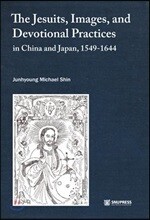
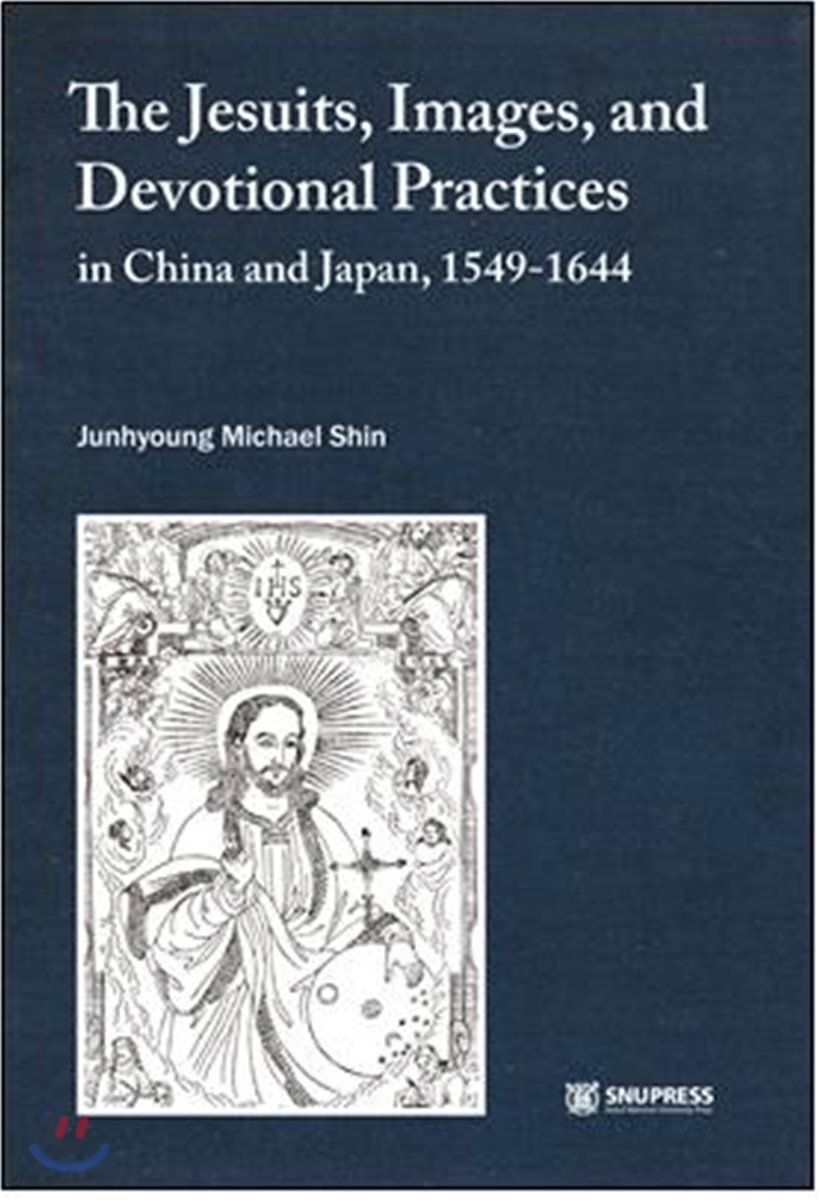
The Jesuits, Images, and Devotional Practices in China and Japan, 1549-1644
언어 : 영어
신준형 저
서울대학교출판문화원
2017.11.30.
이미 소장하고 있다면 판매해 보세요.
- 해외배송 가능?
- 문화비소득공제 가능
책소개
목차
|
Introduction
I. Christ and Confucian Rites II. Christ, Mary, and Pure Land III. Narrative, Diagram, and Contemplation IV. Healing, Exorcism, and Visions V. The Negation of the Flesh VI. Bodily Resurrection and Afterlife Illustrations Endnotes Bibliography Index |
저자 소개 1
서울대학교 인문대학 고고미술사학과 교수. Junhyoung Michael Shin is a professor of art history in the Dept. of Archaeology and Art History, College of the Humanities, Seoul National University. 서울대학교 인문대학 고고미술사학과를 졸업하고 미국 텍사스 주립대학(오스틴)에서 미술사학 석사학위를, 위스콘신 주립대학(매디슨)에서 미술사학 박사학위를 받았다. 독일 뮌헨 대학에서 독일학술교류처(DAAD) 장학금으로 수학했으며, 아칸소 주립대학 미술과 조교수, 명지대학교
서울대학교 인문대학 고고미술사학과 교수. Junhyoung Michael Shin is a professor of art history in the Dept. of Archaeology and Art History, College of the Humanities, Seoul National University. 서울대학교 인문대학 고고미술사학과를 졸업하고 미국 텍사스 주립대학(오스틴)에서 미술사학 석사학위를, 위스콘신 주립대학(매디슨)에서 미술사학 박사학위를 받았다. 독일 뮌헨 대학에서 독일학술교류처(DAAD) 장학금으로 수학했으며, 아칸소 주립대학 미술과 조교수, 명지대학교 인문대학 미술사학과 부교수를 지냈다.
저서로 『신준형의 르네상스 미술사 세트』(전 3권/ 2014년 책을 만드는 사람들 올해의 책 대상/2014년 한겨레 올해의 책 선정), 『천상의 미술과 지상의 투쟁 - 가톨릭개혁의 시각문화』(사회평론, 2007/대한민국학술원 인문학 분야 우수학술도서 선정), 『파노프스키와 뒤러 - 르네상스 미술과 유럽중심주의』(시공사, 2004/한국출판문화사업진흥원 세종도서 학술부문 선정)가 있다.
저서로 『신준형의 르네상스 미술사 세트』(전 3권/ 2014년 책을 만드는 사람들 올해의 책 대상/2014년 한겨레 올해의 책 선정), 『천상의 미술과 지상의 투쟁 - 가톨릭개혁의 시각문화』(사회평론, 2007/대한민국학술원 인문학 분야 우수학술도서 선정), 『파노프스키와 뒤러 - 르네상스 미술과 유럽중심주의』(시공사, 2004/한국출판문화사업진흥원 세종도서 학술부문 선정)가 있다.
신준형의 다른 상품
관련 분류
품목정보
- 발행일
- 2017년 11월 30일
- 쪽수, 무게, 크기
- 316쪽 | 720g | 153*225*30mm
- ISBN13
- 9788952119230
출판사 리뷰
|
1. 핵심 논지
16, 17세기 예수회가 중국과 일본에서 선교활동을 벌이면서, 이미 유교와 불교에 익숙해져 있던 아시아인들이 어떻게 가톨릭의 신앙과 특히 그 시각문화에 반응하는지를 다루었다. 성 프란시스코 자비에가 카고시마에 상륙했던 1549년에서 명나라가 망하는 1644년까지를 범위로 잡았다. 예수회는 다른 수도회와 달리 현지 문화와 조화를 이루는 정책을 기조로 삼았기 때문에, 이런 기조하에서 현지인들은 자연스럽게 유교와 불교의 개념과 시각 매체를 가톨릭 신앙과 비교하면서 인지하게 되었고, 예수회의 의도를 넘어서 여러 종교의 아이디어가 뒤섞이는 이른바 신앙적 습합 현상까지 나타나게 된다. 저자는 이러한 접촉과 습합이, 특히 종교의 시각적 분야에 어떻게 나타나는가를 이 책의 주제로 다루었다. This book discusses the existence of Christianity introduced and propagated by the Jesuits in the sixteenth and seventeenth-century China and Japan, and explores how the Asian people, imbued with their indigenous traditions of Buddhism and Confucianism, perceived, reacted, and some of them even embraced the foreign faith. My narrative starts from the year 1549, when St. Francis Xavier landed in the island of Kagoshima, and ends with the fall of the Ming dynasty in 1644, by which Fr. Giulio Aleni’s mission work in Southeastern China had reached its highpoint and gradually dissipated afterwards. I have always been interested in the Jesuits’ endeavors, since their accommodation policy to indigenous culture opened a way that Asian people could understand the Western religion in comparison to their own heritages of religious concepts and imagery, even though it was not the Jesuits’ original intention and often led to the confusion and conflation of different religious ideas. 2. 기존 연구와의 차별성 첫째, 이 연구는 종교적·신앙적 주제에 주목하고 있다. 예수회의 동아시아 선교사, 특히 중국 선교사에 관한 기존 연구들은 예수회를 통해 서양의 과학 철학 아이디어가 동양에 유포되었던 이른바 문화적 교류에 더 집중하고 있다. 둘째, 시각적 분야에서 나타나는 종교의 습합, 접촉에 주목하는데, 미술사가들이 연구하는 것처럼 회화, 판화, 조각으로 만들어진 미술품에만 관심을 두는 것이 아니라 환시, 꿈, 황홀경, 의례, 고행(채찍 수행)의 경험처럼 광범위한 ‘시각체험’ 전체를 연구주제로 삼고 있다. 셋째, 예수회 선교사는 중국의 경우와 일본의 경우가 사실상 다른 연구 영역으로 나뉘어 두 가지를 함께 연구하는 학자가 거의 없다. 이 책은 두 경우를 함께 비교적으로 연구하여, 왜 같은 그리스도교가 두 지역에서 너무나 다른 방식으로 받아들여졌는가를 묻고자 했다. 넷째, 16세기 이탈리아어와 포르투갈어로 쓰인 예수회원들의 기록, 편지글을 최대한 많이 저자의 번역으로 이 책에 싣고자 했다. 당시의 한문으로 쓰인 신앙 서적 역시 최대한 많이 번역하여 실었다. 저자는 자신의 논지뿐 아니라 직접 번역하여 제시하는 한문, 이탈리아어, 포르투갈어 자료들이 다른 연구자들에게 유용한 재료가 되기를 바란다. There are four points, I believe, that distinguish my narrative from hundreds of other academic literature that have been written on the Jesuit missions in China and Japan. First of all, I discuss the exclusively religious dimensions in their endeavors. In this regard, I was deeply inspired by late Prof. Erik Zurcher’s assertion that “Christianity was not just an intellectual construct but a living minority religion, a complex of beliefs, rituals, prayer, magic, icons, private piety, and communal celebration.”** Erik Zurcher, “Confucian and Christian Religiosity in Late Ming China,” The Catholic Historical Review, vol. 83, no. 4 (October, 1997), 650. Indeed, my chapters discuss in sequence the themes of icon, soteriology, contemplation, exorcism, bodily mortification, and the question of the hereafter. The studies on the Jesuit mission, especially that in China, have been largely gravitated towards the intellectual contacts and exchanges between the West and East, due to the Jesuits’ pro-Confucian policy and their understanding of Confucianism as political and ethical discourses. Secondly, as an art historian, I pay particular attention to the cases in which visual experience played significant roles in the perception of Catholicism. By visual experience, I refer not only to materially fabricated images such as painting, sculpture, and print, which have been the objects of art history in conventional sense, but a more comprehensive range of imagery, visible and tangible, such as vision, dream, rituals, and even self-flagellation. Thirdly, I attempt to discuss the cases of China and Japan in comparison and ask the reasons why the same religion of Catholicism has faced different reactions in China and Japan, which shared many common cultural and religious heritages. The studies of China Jesuits and Japan Jesuits are deemed almost as separate fields in current scholarship, but I think that their comparison brings to light interesting points to ponder on. Finally, I directly quote in my translation as many missionary reports and devotional literature as possible, from both European and Asian sources. I hope that, even if my arguments do not contribute much to scholarship, my references to these raw sources would be of use to other scholars in this field. 3. 각 장의 내용 제1장은 [구세주 예수]의 도상이 중국에 전해졌을 때 중국인들의 반응을 논했다. 그리스도교의 이콘은, 불교나 도교의 이콘과 흔히 그 형상과 기능의 측면에서 비교되어 왔으나, 상대적으로 종교적 성격이 약한 유교문화와의 연계성은 거의 논해진 바가 없다. 예수회의 친유교적 접근 때문에, 중국인들이 오히려 그리스도교의 이콘을 유교문화의 종교적 측면, 특히 조상의 영정을 사용하던 의례와 비교하여 이해했을 가능성을 주장하고 있다. 제2장은 불교적 전통이 중국보다 훨씬 더 사회 모든 계층에 확고히 뿌리내리고 있던 일본의 경우로 옮겨, 예수와 성모 마리아에 대한 신앙이 정토교의 아미타불과 관세음보살에 대한 신앙과 습합되는 현상을 다루고 있다. 다른 학자들은 이를 이콘의 형상적 유사성에 기인한 포교 초기의 오해와 착오라고 보아왔으나, 저자는 그리스도교와 정토불교의 구원관, 내세관에 보이는 유사점에서 그 원인을 찾고 있다. 제3장은 중국과 일본의 경우를 아울러, 그리스도교와 정토불교에 나타나는 명상 수행, 특히 시각적 이미지와 상상을 방법론으로 사용하는 명상법의 유사점을 논하고, 이를 통해 두 종교의 개념과 이미지들이 습합되는 과정을 다루었다. 제4장은 신앙치료, 퇴마의식, 환시와 같은 초자연적 체험에 대해 다루었다. 평민들뿐 아니라 유교의 고등교육을 받은 사대부층들도 이와 같은 초자연적 영역에 대해 깊은 관심과 공포를 느끼고 있었다는 점, 그리고 이러한 영역을 통해 그리스도교도가 (이전에 불교가 그랬던 것처럼) 상류층, 민간층 모두에게 파고들 수 있었다는 점을 부각하고 있다. 제5장은 자신에게 채찍질하는 채찍 수행이 중국과 일본에서 받아들여진 과정의 차이에 주목하고 있다. 신자가 아닌 이들에게는 매우 기괴한 행위로 보일 채찍 수행이 일본에서는 선교 시작 후 5년 만에, 중국에서는 거의 오십 년이 넘은 세월이 지난 다음에야 받아들여지는 현상을, 두 지역의 종교문화적 차이로 해석했다. 제6장은 그리스도교의 내세관이 불교나 유교가 제시하는 내세관과 어떻게 다르며, 이러한 차이에 대해 아시아인들이 어떻게 반응했는지의 문제를 다루었다. The first chapter discusses the introduction of Christ’s icon, Salvator Mundi, to the Chinese at the incipient stage of catechesis. The icon served effectively the Jesuits’ purpose, as I argue, largely due the setting and mode of its presentation, which reminded the Chinese of their deeply rooted tradition of Confucian ancestral rites. Even though this was not what the Jesuits intended, such analogical perception of icon and associated ritual facilitated the Chinese to be familiarized and eventually emphasize with the Western religion, at least in the early stage of mission. The second chapter moves to the case of Japan, where Buddhist tradition had a more dominant status in society. There, the perception of Christ as savior and Mary as feminine intercessor naturally brought in their comparison and even confusion with Amitabha Buddha and bodhisattva Avalokite?vara. Such analogy is further found in the meditative method based on visual imagination, commonly expounded in the Jesuit Catholicism and Pure Land Buddhism. The third chapter elaborates on this dimension of visually oriented meditation, and discusses how the Jesuit method of contemplation could take advantage of indigenous Buddhist, and to a lesser degree Confucian, traditions in China and Japan. The next three chapters deal with even more strongly religious dimensions. The chapter four recounts the miraculous healing, exorcism, and vision experienced by the Chinese Christians. Not only commoners, but also literati and officials fully conversant in Confucian teachings found great consolation and persuasion in these supernatural phenomena. The chapter five discusses the Christian self-mortification of flagellation. Especially this chapter makes a sharp contrast between the cases of Japan and China. The practice of self-flagellation took almost fifty years to be accepted by Chinese Christians, but the first report of Japanese Christians undertaking “discipline” appeared in just five years from the beginning of Japan mission. This is an intriguing case that attests to the difference in the reception of Catholicism in China and Japan, which, despite their common heritages, also had their distinctive cultural backgrounds. The final chapter of this book is devoted to the final question of every religion, the afterlife. With the case in China, I compare the afterlife explanations in Catholicism, Confucianism, and Buddhism, and attempt to underline the key solution Christianity could provide to the Chinese, which was lacking in other indigenous religions. |
