
- PDF 안내
-
이 상품은 구매 후 지원 기기에서 예스24 eBook앱 설치 후 바로 이용 가능한 상품입니다.
소개
목차
|
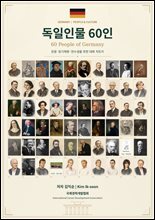
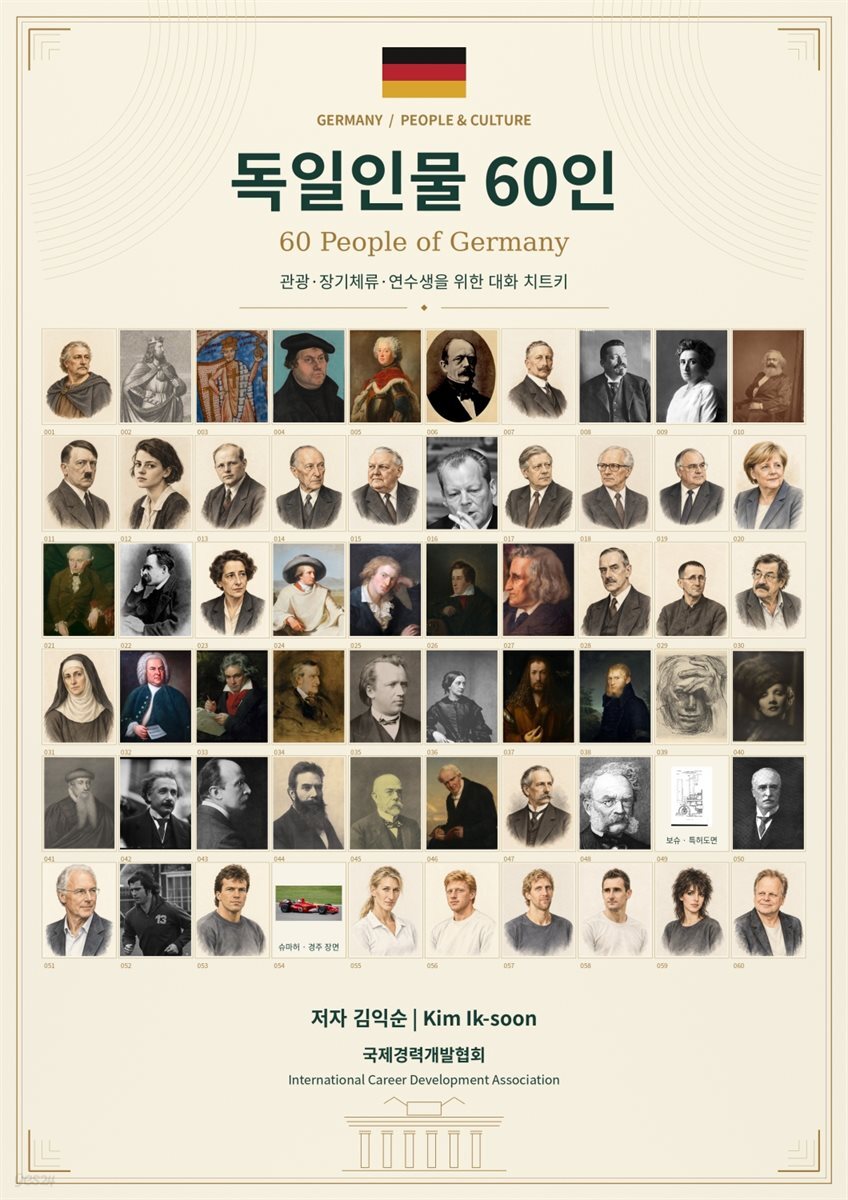
차례 Contents 제1부 독일의 뿌리와 국가 형성제1장 제국·종교개혁·프로이센의 유산001. 카롤루스 대제 | Charlemagne 002. 오토 1세 | Otto I 003. 프리드리히 1세 | Frederick I Barbarossa 004. 마르틴 루터 | Martin Luther 005. 프리드리히 2세(대왕) | Frederick II of Prussia 제2장 통일과 혁명, 산업사회의 등장006. 오토 폰 비스마르크 | Otto von Bismarck 007. 빌헬름 2세 | Wilhelm II 008. 프리드리히 에베르트 | Friedrich Ebert 009. 로자 룩셈부르크 | Rosa Luxemburg 010. 카를 마르크스 | Karl Marx 제2부 독재와 저항, 분단과 통일제3장 나치 체제와 저항, 전후 재건011. 아돌프 히틀러 | Adolf Hitler 012. 조피 숄 | Sophie Scholl 013. 디트리히 본회퍼 | Dietrich Bonhoeffer 014. 콘라트 아데나워 | Konrad Adenauer 015. 루트비히 에르하르트 | Ludwig Erhard 제4장 냉전의 분단에서 통일 이후까지016. 빌리 브란트 | Willy Brandt 017. 헬무트 슈미트 | Helmut Schmidt 018. 에리히 호네커 | Erich Honecker 019. 헬무트 콜 | Helmut Kohl 020. 앙겔라 메르켈 | Angela Merkel 제3부 철학과 언어, 문학제5장 철학과 고전문학의 질문들021. 임마누엘 칸트 | Immanuel Kant 022. 프리드리히 니체 | Friedrich Nietzsche 023. 한나 아렌트 | Hannah Arendt 024. 요한 볼프강 폰 괴테 | Johann Wolfgang von Goethe 025. 프리드리히 실러 | Friedrich Schiller 제6장 언어와 문학에 담긴 사회 비판026. 하인리히 하이네 | Heinrich Heine 027. 야코프 그림 | Jacob Grimm 028. 토마스 만 | Thomas Mann 029. 베르톨트 브레히트 | Bertolt Brecht 030. 귄터 그라스 | Gunter Grass 제4부 음악과 미술, 영화제7장 신앙과 자유, 전통을 표현한 음악031. 힐데가르트 폰 빙엔 | Hildegard of Bingen 032. 요한 제바스티안 바흐 | Johann Sebastian Bach 033. 루트비히 판 베토벤 | Ludwig van Beethoven 034. 리하르트 바그너 | Richard Wagner 035. 요하네스 브람스 | Johannes Brahms 제8장 미술과 영화에 담긴 시대의 모습036. 클라라 슈만 | Clara Schumann 037. 알브레히트 뒤러 | Albrecht Durer 038. 카스파르 다비트 프리드리히 | Caspar David Friedrich 039. 케테 콜비츠 | Kathe Kollwitz 040. 마를레네 디트리히 | Marlene Dietrich 제5부 과학의 발견과 산업의 변화제9장 지식의 보급과 과학의 발견041. 요하네스 구텐베르크 | Johannes Gutenberg 042. 알베르트 아인슈타인 | Albert Einstein 043. 막스 플랑크 | Max Planck 044. 빌헬름 콘라트 뢴트겐 | Wilhelm Conrad Rontgen 045. 로베르트 코흐 | Robert Koch 제10장 산업과 일상을 바꾼 기술046. 알렉산더 폰 훔볼트 | Alexander von Humboldt 047. 카를 벤츠 | Carl Benz 048. 베르너 폰 지멘스 | Werner von Siemens 049. 로베르트 보슈 | Robert Bosch 050. 루돌프 디젤 | Rudolf Diesel 제6부 스포츠와 대중음악제11장 세대를 이어 준 스포츠의 기억051. 프란츠 베켄바워 | Franz Beckenbauer 052. 게르트 뮐러 | Gerd Muller 053. 로타어 마테우스 | Lothar Matthaus 054. 미하엘 슈마허 | Michael Schumacher 055. 슈테피 그라프 | Steffi Graf 제12장 경기장의 기록, 무대의 노래056. 보리스 베커 | Boris Becker 057. 디르크 노비츠키 | Dirk Nowitzki 058. 미로슬라프 클로제 | Miroslav Klose 059. 네나 | Nena 060. 헤르베르트 그뢰네마이어 | Herbert Gronemeyer |
저자 소개 1
저자는 특이한 경력의 소유자다. ‘삼성전자(대기업)+한소프트넷(벤처기업)+창업+겸임교수’ 업무를 경험하였고, 그동안의 경험을 실전 현장인 자동차 금형 제조공장에서 공장장으로 근무하면서 바코드를 활용한 무인화된 재고관리, 구글 계정을 활용한 전자결재 및 중앙 데이터베이스화, 자체 온라인 교육센터 구축 및 평가 보상 체계 마련, 셀프 리더십으로 함께하는 5S3정 시행, 실시간 공정 협업이 실무적으로 가능한 스마트 팩토리 체계 등을 도입하였다.
코로나19 사태로 ‘기업의 패러다임도 바뀌어야 한다.’며 국제경력개발협회 산하 기업역량강화센터를 이러닝으로 구축하여 널리 보급하고자 활동하고 있다.
김익순의 다른 상품
-
eBook[대여] 프랑스 유네스코 유산 UNESCO Heritage of France 이동[대여] 프랑스 유네스코 유산 UNESCO Heritage of France9,900원
삼성전자 본사 전략기획총괄 인사팀에서 전략기획과 인사 업무를 수행하였으며, 외국계 제조기업의 경영지원 임원과 기업 창업·운영 경험을 통해 조직관리, 인재개발, 직장 내 의사소통, 교육과 경력개발의 중요성을 폭넓게 경험하였다.
기업과 조직의 의사결정, 사람들의 업무와 경력 변화를 가까이에서 접한 경험을 바탕으로, 국가와 사회를 이해하는 데 필요한 내용을 독서와 실제 대화에 연결하는 저술에 관심을 두고 있다. 특히 다른 문화권의 사람과 교류할 때에는 익숙한 이름이나 일반적인 인상만을 내세우기보다 사실과 배경을 확인하고, 같은 인물을 서로 다르게 기억할 수 있다는 점을 이해하는 태도에 주목한다.
『독일인물 60인』에서는 독일의 역사와 문화를 하나의 국가적 성공담으로 정리하지 않고, 오랜 시간에 걸쳐 서로 다른 지역과 제도 안에서 활동한 인물들의 선택으로 살펴본다. 카롤루스 대제와 신성로마제국의 군주, 프로이센과 독일 통일의 정치인을 거쳐 독재와 저항, 분단과 통일의 인물을 다룬다. 동시에 칸트와 니체, 아렌트, 괴테와 그림 형제의 사상·문학·언어, 바흐와 베토벤·클라라 슈만의 음악, 미술과 영화, 과학과 산업, 스포츠와 대중음악을 함께 읽는다. 오늘날 독일을 이해하려면 고전적 문화유산뿐 아니라 전쟁과 분단, 노동과 기술, 개인의 자유와 사회적 책임에 관한 서로 다른 기억도 살펴야 한다는 구성을 취한다.
특히 한 인물의 공적을 인정하는 일과 그가 남긴 피해·한계를 살피는 일이 서로 배타적이지 않다는 점에 관심을 기울였다. 중세 왕의 정복을 후대의 독일 국가 건설과 구별하고, 종교개혁가의 언어적 영향과 반유대주의 저술을 함께 살피며, 나치 독재의 책임과 시민 저항의 실제 활동을 구분한다. 전후 서독의 사회적 시장경제와 외교, 동서독의 분단을 설명할 때에도 정부 지도자 한 사람만이 아니라 의회와 노동자, 다른 국가와 시민의 역할을 함께 놓는다. 철학과 예술의 작품, 발명과 스포츠의 성취 역시 역사 기록과 기념의 차이를 확인하며 읽도록 구성하였다. 이는 상대에게 특정 해석을 강요하기보다 근거를 바탕으로 대화를 넓히려는 접근이다.
전체 6부·12장·60개 인물 편은 독일을 여행하거나 장기체류·연수·업무 교류를 계획하는 독자가 여러 상황에서 만나는 이름과 이야기를 연결하도록 마련되었다. 각 편에는 인물의 사진·초상 또는 관련 자료, 출생 정보와 한영 핵심 문장, 영어 인포그래픽, 문단별로 대응하는 한국어와 영어 설명, 열린 대화 질문, 참고자료가 담겼다. 저자는 독자가 주요 사건과 작품을 단순히 외우기보다 그것이 생겨난 조건을 설명하고, 독일 사람과 대화할 때 상대가 무엇을 알고 어떻게 기억하는지 물어볼 수 있기를 기대한다. 사람의 삶을 통해 역사·예술·기술·스포츠를 가로질러 읽는 방식이 국가 간 교류에서 더 구체적이고 존중하는 질문을 만드는 데 기여하고자 한다.
주요 이력 및 저서
現 국제경력개발협회 협회장
前 삼성전자 본사 전략기획총괄 인사팀
기업 전략기획·인사·경영지원·교육·컨설팅 분야 활동
『독일문화300』
『글로벌 문화 실수 100』
『한국어 완곡어법(쿠션어) 100선』
『인물과 사건으로 읽는 한국 독립운동 300』
『쉽게 읽는 조선왕조실록 300』
The author worked in strategic planning and human resources in the Human Resources Team of the Corporate Strategic Planning Division at Samsung Electronics headquarters. Kim also served as a management support executive at a foreign-owned manufacturing company and gained experience founding and running a business. These roles provided broad insight into organizational management, talent development, workplace communication, education, and career development. Drawing on experience of organizational decisions and changes in people’s work and careers, Kim is interested in writing that connects knowledge of countries and societies with reading and actual conversation. In cross-cultural exchange, the focus is on checking facts and context rather than relying on familiar names or general impressions, while recognizing that people may remember the same figure differently.
In 60 People of Germany, German history and culture are not reduced to a single narrative of national success. Instead, the book examines decisions made by people active in different regions and institutions over a long period. It moves from Charlemagne and rulers of the Holy Roman Empire to Prussian and unification-era politicians, then to figures connected with dictatorship, resistance, division, and reunification. It also brings together the ideas, literature, and language studies of Kant, Nietzsche, Arendt, Goethe, and the Brothers Grimm; the music of Bach, Beethoven, and Clara Schumann; and figures from art, film, science, industry, sport, and popular music. Its organization reflects the view that understanding Germany requires attention not only to classical cultural heritage but also to different memories of war, division, labor, technology, individual liberty, and social responsibility.
The writing pays particular attention to the fact that recognizing a person’s achievements need not exclude examining the harm or limitations associated with them. Medieval conquests are distinguished from later German nation-building; the linguistic influence of a Reformation figure is considered alongside anti-Jewish writings; and responsibility for Nazi dictatorship is separated from the documented work of civic resisters. In discussing West Germany’s postwar social market economy and diplomacy, as well as the division between East and West, the book considers the roles of parliaments, workers, citizens, and other countries rather than crediting a single leader. Philosophical and artistic works, inventions, and sporting achievements are also read with attention to the distinction between surviving records and later commemoration. The approach seeks to expand conversation based on evidence rather than require agreement with a particular interpretation.
The sixty profiles in six parts and twelve chapters are designed to connect names and stories readers may encounter while traveling, residing for an extended period, undertaking training, or engaging in professional exchange in Germany. Each profile contains a photograph, portrait, or related source, birth information and a Korean?English key statement, an English infographic, corresponding Korean and English explanatory paragraphs, open-ended questions, and references. The author hopes readers will do more than memorize major events and works: they may explain the conditions in which these emerged and ask German counterparts what they know and remember. Reading across history, art, technology, and sport through individual lives is intended to encourage more specific and respectful questions in international exchange.
Career Highlights and Selected Books
Current President, International Career Development Association
Former member, Human Resources Team, Corporate Strategic Planning Division, Samsung Electronics headquarters
Experience in corporate strategic planning, human resources, management support, education, and consulting
『독일문화300』
『글로벌 문화 실수 100』
『한국어 완곡어법(쿠션어) 100선』
『인물과 사건으로 읽는 한국 독립운동 300』
『쉽게 읽는 조선왕조실록 300』
품목정보
- 발행일
- 2026년 11월 05일
- 지원기기
- 크레마, PC(윈도우 - 4K 모니터 미지원), 아이폰, 아이패드, 안드로이드폰, 안드로이드패드, 전자책단말기(저사양 기기 사용 불가), PC(Mac)
- 파일/용량
- PDF(DRM) | 96.43MB ?
- 글자 수/ 페이지 수
- 약 401쪽 ?
- ISBN13
- 9791124956496
출판사 리뷰
출판사 서평『독일인물 60인』의 편집상 강점은 오늘날 독일의 국경을 과거의 모든 시대에 그대로 투영하지 않는다는 데 있습니다. 카롤루스 대제와 오토 1세의 제국을 현대 국민국가와 구분하고, 로자 룩셈부르크·한나 아렌트·알베르트 아인슈타인처럼 국경을 건너 활동한 인물을 독일의 사상과 역사 속에 놓는 이유를 설명합니다. 이는 60명을 단순히 국적별로 묶은 명단보다 독일 문화가 형성된 여러 경로를 구체적으로 보여 줍니다. 인물의 대표 업적과 함께 선택의 배경을 설명하기 때문에 낯선 역사 지명을 접하는 독자도 사건의 위치를 따라갈 수 있습니다. 역사적 책임을 다루는 태도도 중요합니다. 루터의 성서 번역과 유대인을 향한 적대적 저술을 구별해 제시하고, 비스마르크의 사회보험 정책을 정치적 억압 및 식민지 문제와 함께 검토합니다. 조피 숄의 저항은 한 사람의 유명한 사진보다 전단을 쓴 사람과 만들고 배포한 사람들의 실제 역할을 확인합니다. 과학과 산업 편에서도 특정 발명가가 기술을 단번에 완성했다는 이야기보다 개발, 협력, 생산과 기록의 단계를 설명합니다. 명성과 기념행사의 이야기를 실제 자료와 분리하려는 점은 역사적 사건을 과장 없이 읽으려는 독자에게 도움이 됩니다. 구성은 필요한 인물부터 골라 읽기 쉽게 마련되었습니다. 첫 면의 시각자료와 핵심 문장을 보고, 다음 면의 영문 도표로 주요 연대를 익힌 뒤, 한국어와 영어 설명을 문단별로 비교할 수 있습니다. 질문은 인물에 대한 동일한 평가를 강요하기보다 무엇을 보았고 어떻게 생각하는지 묻게 합니다. 아헨의 문화유산이나 베를린의 기억 장소, 독일어권 음악과 문학, 축구 경기와 대중음악처럼 실제 교류의 소재로 이어질 수 있는 내용이 많습니다. 전체를 읽으면 독일의 여러 시대가 연결되고, 특정 편만 읽어도 대화에 필요한 사건·작품·장소와 평가의 차이를 확인할 수 있는 책입니다. An editorial strength of 60 People of Germany is its refusal to project today’s German borders onto every earlier period. It distinguishes the empires of Charlemagne and Otto I from the modern nation-state and explains why people who crossed borders, including Rosa Luxemburg, Hannah Arendt, and Albert Einstein, belong in discussions of German thought and history. This offers a more concrete view of the many paths through which German culture developed than a list organized simply by nationality. By presenting the circumstances of major decisions alongside celebrated achievements, the book gives readers ways to situate unfamiliar historical places and events. Its treatment of historical responsibility is also significant. Luther’s Bible translation is presented separately from his hostile writings about Jews, while Bismarck’s social insurance policies are considered alongside political repression and colonial affairs. Sophie Scholl’s resistance is explained not only through a familiar photograph but through the documented roles of people who wrote, produced, and distributed the White Rose leaflets. In the science and industry chapters, development, collaboration, production, and documentary evidence matter more than the claim that one inventor completed a technology at once. This distinction between fame, later commemoration, and the surviving record helps readers approach difficult history without exaggeration. The design also makes it easy to consult a particular profile. Readers encounter visual source material and a key sentence on the first page, an English milestone diagram on the next, and Korean and English paragraphs they can compare directly. The final questions invite others to discuss what they have seen and how they interpret it rather than assume a shared judgment. Connections to Aachen’s heritage, Berlin’s memorial sites, German-language music and literature, football, and popular songs offer subjects for actual cultural exchange. Read in sequence, the profiles connect different periods of German history; read individually, they provide events, works, places, and contrasting assessments that can support a conversation. |
