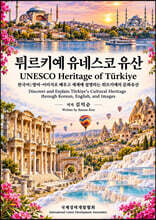

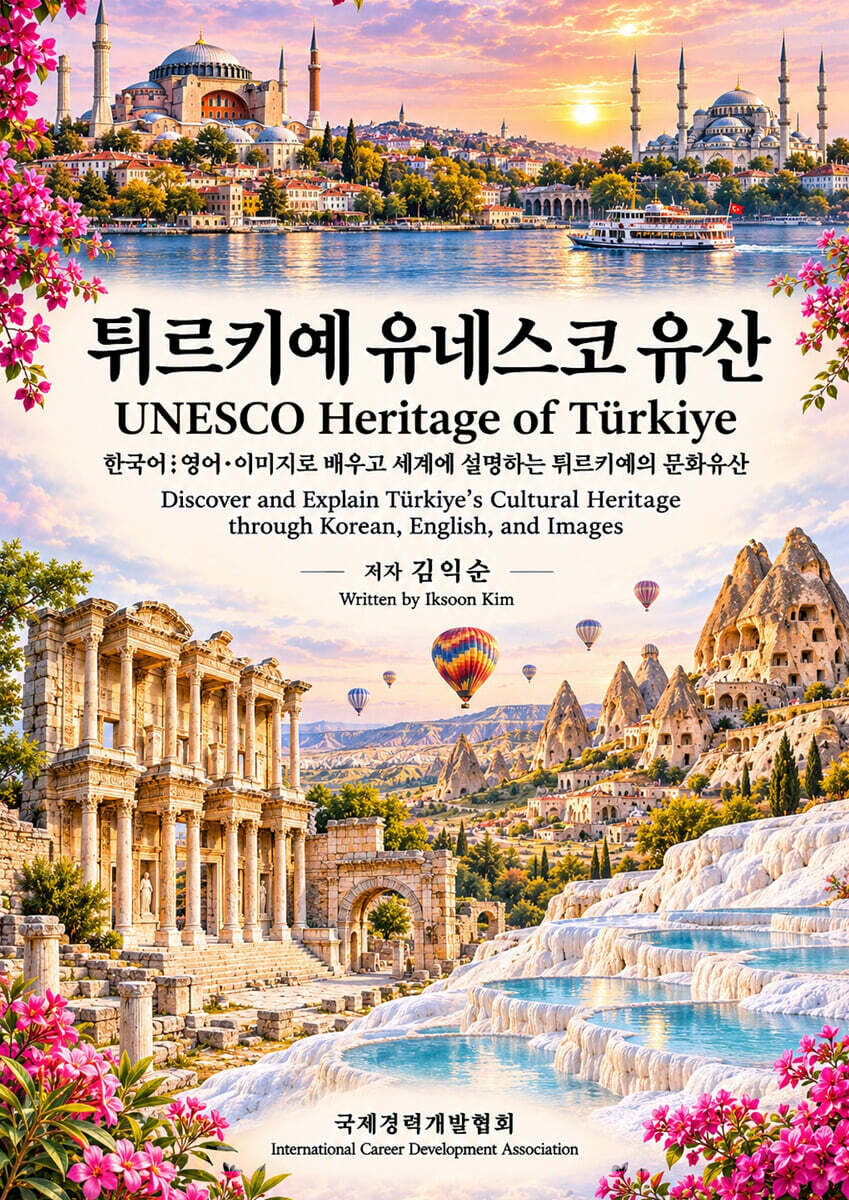
상세 이미지

소개
목차
|
제1부 장소에 남은 세계유산 | Part 1. World Heritage Preserved in Places 제1장 땅과 유적에서 읽는 오랜 삶 | Chapter 1. Ancient Lives Revealed by Land and Archaeological Sites 001. 아프로디시아스 | Aphrodisias 002. 아니 고고유적 | Archaeological Site of Ani 003. 트로이 고고유적 | Archaeological Site of Troy 004. 에페수스 | Ephesus 005. 괴베클리 테페 | Göbekli Tepe 006. 하투샤: 히타이트 수도 | Hattusha: the Hittite Capital 007. 넴루트 다으 | Nemrut Dağ 008. 차탈회위크 신석기 유적 | Neolithic Site of Çatalhöyük 제2장 신앙과 지혜가 머문 공간 | Chapter 2. Places Where Faith and Knowledge Took Shape 009. 디브리이 대모스크와 병원 | Great Mosque and Hospital of Divriği 010. 셀리미예 모스크와 사회복합단지 | Selimiye Mosque and its Social Complex 011. 중세 아나톨리아의 목조 다주식 모스크 | Wooden Hypostyle Mosques of Medie-val Anatolia 제3장 사람들이 살아온 도시와 건축 | Chapter 3. Cities and Architecture Shaped by Everyday Life 012. 아르슬란테페 고분 | Arslantepe Mound 013. 부르사와 주말르크즈크: 오스만 제국의 탄생 | Bursa and Cumalıkızık: the Birth of the Ottoman Empire 014. 사프란볼루 도시 | City of Safranbolu 015. 고르디온 | Gordion 016. 이스탄불 역사 지구 | Historic Areas of Istanbul 017. 사르디스와 빈 테페의 리디아 고분군 | Sardis and the Lydian Tumuli of Bin Tepe 018. 크산토스-레툰 | Xanthos-Letoon 제4장 길과 기술이 이어 준 생활과 경관 | Chapter 4. Routes and Technologies Connecting Lives and Landscapes 019. 디야르바크르 요새와 헤브셀 정원 문화경관 | Diyarbakır Fortress and Hevsel Gardens Cultural Landscape 020. 페르가몬과 다층적 문화경관 | Pergamon and its Multi-Layered Cultural Landscape 제5장 사람과 자연이 함께 만든 유산 | Chapter 5. Heritage Shaped by People and Nature 021. 괴레메 국립공원과 카파도키아 암석유적 | Göreme National Park and the Rock Sites of Cappadocia 022. 히에라폴리스-파묵칼레 | Hierapolis-Pamukkale 제2부 사람을 통해 이어지는 무형유산 | Part 2. Intangible Heritage Passed On Through People 제6장 식탁과 일상에 남은 공동체의 지혜 | Chapter 6. Community Wisdom at the Table and in Daily Life 023. 차이(차) 문화: 정체성·환대·사회적 교류의 상징 | Culture of Çay (tea), a symbol of identity, hospitality and social interaction 024. 납작빵 만들기와 나누기 문화: 라바시·카티르마·주프카·유프카 | Flatbread making and sharing culture: Lavash, Katyrma, Jupka, Yufka 025. 이프타르와 관련 사회문화 전통 | Iftar/Eftari/Iftar/Iftor and its socio-cultural traditions 026. 튀르키예 커피 문화와 전통 | Turkish coffee culture and tradition 제7장 손과 기술로 전하는 생활문화 | Chapter 7. Everyday Culture Passed On Through Hands and Skills 027. 안테프 이쉬: 가지안테프의 실뽑기 자수 | Antep İşi, drawn thread embroidery of Gaziantep 028. 채식 장식예술: Təzhib/Tazhib/Zarhalkori/Tezhip/Naqqoshlik | Art of illumination: Təzhib/Tazhib/Zarhalkori/Tezhip/Naqqoshlik 029. 발라반/메이 제작과 연주예술 | Craftsmanship and performing art of balaban/mey 030. 자개 상감 공예 | Craftsmanship of mother of pearl inlay 031. 휘스니 하트: 튀르키예 이슬람 예술의 전통 서예 | Hüsn-i Hat, traditional calligraphy in Islamic art in Turkey 032. 양잠과 직조용 전통 실크 생산 | Sericulture and traditional production of silk for weaving 033. 전통 백파이프(Gayda/Tulum) 제작과 연주 | Traditional bagpipe (Gayda/Tulum) making and performing 034. 치니 제작 전통공예 | Traditional craftsmanship of Çini-making 제8장 말과 음악과 축제로 만나는 사람들 | Chapter 8. Encounters Through Stories, Music, and Festivals 035. 미니어처 예술 | Art of miniature 036. 메다흐: 대중 이야기꾼의 예술 | Arts of the Meddah, public storytellers 037. 아슈클륵(음유시인) 전통 | Âşıklık (minstrelsy) tradition 038. 의례용 케슈케크 전통 | Ceremonial Keşkek tradition 039. 에브루: 튀르키예 마블링 예술 | Ebru, Turkish art of marbling 040. 데데 코르쿠드/코르키트 아타 전통: 서사문화·민담·음악 | Heritage of Dede Qorqud/Korkyt Ata/Dede Korkut, epic culture, folk tales and music 041. 카라괴즈 | Karagöz 042. 크르크프나르 오일 레슬링 축제 | Kırkpınar oil wrestling festival 043. 메시르 마주누 축제 | Mesir Macunu festival 044. 메블레비 세마 의식 | Mevlevi Sema ceremony 045. 나우루즈·노브루즈·나우리즈 등 봄맞이 전통 | Nawrouz, Novruz, Nowrouz, Nowrouz, Nawrouz, Nauryz, Nooruz, Nowruz, Navruz, Nevruz, Nowruz, Navruz 046. 세마흐: 알레비-벡타시 의례 | Semah, Alevi-Bektaşi ritual 047. 봄맞이 축제 흐드렐레즈 | Spring celebration, Hıdrellez 048. 나스레딘 호자/몰라 네스레딘 등 일화 구연전통 | Telling tradition of Nasreddin Hodja/ Molla Nesreddin/ Molla Ependi/ Apendi/ Afendi Kozhanasyr Anecdotes 049. 전통 아흘라트 석공예 | Traditional Ahlat stonework 050. 전통 지능·전략놀이: 토기즈쿠말락·토구즈 코르고올·망갈라/괴취르메 | Traditional intelligence and strategy game: Togyzqumalaq, Toguz Korgool, Mangala/Göçürme 051. 올리브 재배에 관한 전통 지식·방법·관행 | Traditional knowledge, methods and practices concerning olive cultivation 052. 전통 소흐베트 모임 | Traditional Sohbet meetings 053. 튀르키예 전통 궁술 | Traditional Turkish archery 054. 휘파람 언어 | Whistled language 제3부 기록으로 만나는 세계기록유산 | Part 3. d-ocumentary Heritage Through Records 제9장 문서와 예술과 지식이 건네는 목소리 | Chapter 9. Voices from d-ocuments, Art, and Knowledge 055. 『자미 알타와리흐』 | Camiu't Tevarih/Jāmiʿ al-Tawārīkh 056. 『디완 루가트 앗투르크』 | Diwan Lughat al-Turk (Compendium of the Turkic Dialects) 057. 에블리야 첼레비 『여행기』 | Evliya Çelebi's Book of Travels in the Topkapi Palace Museum Library and the Süleymaniye Manuscript Library 058. 칸딜리 천문대·지진연구소 필사본 | Kandilli Observatory and Earthquake Research Institute Manuscripts 059. 카라테페-아슬란타슈 비문 | Karatepe-Aslantaş Inscriptions 060. 마울라나 전집 | Mawlana’s Kulliyat (The Complete Works of Mawlana) 061. 카팁 첼레비 컬렉션: 『지한뉘마』와 『카슈프 알주눈』 | The Collection of Kâtip Çelebi: Cihânnümâ and Kashf al-Zunun 062. 히타이트 보아즈쾨이 설형문자 점토판 | The Hittite cuneiform tablets from Bogazköy 063. 퀼테페의 고아시리아 상인 기록 | The Old Assyrian Merchant Archives of Kültepe 064. 피리 레이스 세계지도(1513) | The Piri Reis World Map (1513) 065. 쉴레이마니예 필사본도서관의 이븐 시나 저작 | The works of Ibn Sina in the Süleymaniye Manuscript Library 066. 일디즈 궁전 사진 컬렉션 | Yildiz Palace Photography Collection 부록 · 방문·체험·열람 안내 | a-ppendix · Guide to Visits, Experiences, and Access 찾아보기 · 번호와 본문 쪽수 | Index · Item Numbers and Pages in the Main Text 참고자료 · 공식 국제목록 | References · Official International Registers |
저자 소개 1
오랜 직장생활과 기업 경영 현장에서 다양한 사람들을 만나면서, 저자는 누구나 살아가며 중요한 선택과 어려운 문제에 부딪힌다는 사실에 주목해 왔다. 같은 상황에서도 어떤 정보를 알고 무엇을 먼저 준비하느냐에 따라 결과가 달라질 수 있다는 점을 중요하게 생각한다. 특히 법률이나 행정제도처럼 익숙하지 않은 분야일수록 누구나 이해할 수 있는 설명과 실제 생활에 도움이 되는 안내가 필요하다고 믿는다. 이러한 관심은 직장생활과 경력개발을 넘어 가족관계, 경제, 법률, 복지 등 일상생활의 다양한 분야로 이어졌다. 저자는 어렵고 복잡한 내용을 전문용어로 설명하기보다 쉬운 말로 풀어내고, 독자가 실제 상황에서 무엇을 확인하고 어떻게 준비해야 하는지 알려 주는 데 중점을 둔다. 정확한 정보를 바탕으로 하되, 처음 접하는 사람도 부담 없이 읽을 수 있는 책을 쓰고자 노력하고 있다.
저자는 좋은 실용서란 단순히 많은 정보를 담은 책이 아니라, 독자가 필요할 때 펼쳐 보고 스스로 문제를 해결하는 데 도움을 받을 수 있는 책이라고 생각한다. 누구나 살아가면서 필요한 지식을 쉽게 찾아보고, 자신의 상황에 맞게 판단하고 활용할 수 있도록 돕는 것이 저자가 꾸준히 추구하는 집필 방향이다.
김익순의 다른 상품
-
eBook[대여] 프랑스 유네스코 유산 UNESCO Heritage of France 이동[대여] 프랑스 유네스코 유산 UNESCO Heritage of France9,900원
저자는 기업의 전략기획·인사와 경영, 사업 운영 경험을 바탕으로 국가와 문화, 사람의 생활을 이해하는 실용 교양서를 기획·집필해 왔다. 공식 자료에 근거해 한 지역의 역사를 설명하되, 서로 다른 문화적 배경을 가진 사람들이 각자의 경험을 이야기할 수 있는 접점을 찾는 데 관심을 두고 있다. 『튀르키예 유네스코 유산』에서는 세계유산의 현장, 공동체의 생활문화, 기록의 보존과 열람을 구분하여 다루며, 독자가 문화유산을 단순한 관광 명소가 아니라 사람들의 생활과 지식이 축적된 자료로 읽도록 안내한다.
The author has planned and written practical cultural books based on experience in corporate strategic planning, human resources, management, and business operations. The author is interested in explaining the history of a place through official sources while creating opportunities for people from different cultural backgrounds to discuss their own experiences. In UNESCO Heritage of Türkiye, the author distinguishes heritage sites, living cultural practices, and the preservation of and access to d-ocumentary collections, encouraging readers to understand heritage not merely as tourist attractions but as evidence of people's lives and accumulated knowledge.
품목정보
- 발행일
- 2026년 11월 24일
- 지원기기
- 크레마, PC(윈도우 - 4K 모니터 미지원), 아이폰, 아이패드, 안드로이드폰, 안드로이드패드, 전자책단말기(저사양 기기 사용 불가)
- 파일/용량
- PDF(DRM) | 13.78MB ?
- 글자 수/ 페이지 수
- 약 395쪽 ?
- ISBN13
- 9791123178301
출판사 리뷰
|
이 책의 특징은 유네스코 등재 목록을 단순히 국가별 명소와 전통의 이름으로 정리하는 대신, 유산마다 무엇이 근거이고 무엇이 해석인지 묻는 방식으로 풀어낸다는 점이다. 아프로디시아스에서 도시의 대리석 조각을 볼 때 채석장과 제작 기술까지 함께 생각하도록 이끌고, 트로이와 이스탄불에서는 눈앞에 남아 있는 건축과 그것을 사용했던 여러 시대의 사람들을 구별해 보게 한다. 카파도키아와 파묵칼레를 다룰 때도 풍경의 아름다움만이 아니라 자연환경과 인간의 활동이 남긴 자료를 함께 살펴본다. 무형유산을 설명하는 태도도 구체적이다. 차와 커피의 환대를 모든 튀르키예 사람에게 동일하게 적용되는 예절로 단정하지 않고, 지역과 개인의 선택을 존중해야 한다는 점을 강조한다. 자수나 서예, 악기와 공연은 완성된 작품의 모습에 그치지 않고 기술을 가르치고 배우는 사람들의 관계 속에서 읽는다. 여러 국가가 공동으로 등재한 유산의 경우에도 한 나라의 독점적 전통이라는 인상을 피한다. 이러한 설명은 독자가 문화적 차이를 비교하면서도 성급한 일반화를 경계하게 한다. 세계기록유산을 다루는 부분은 특히 자료의 성격을 정확하게 구분하도록 돕는다. 피리 레이스 세계지도를 완전한 세계지도처럼 소개하지 않고 남아 있는 단편에서 확인할 수 있는 사실을 먼저 살피며, 사진이나 필사본은 제목·제작 시기·소장 기록과 실제 이미지가 보여 주는 범위를 나누어 읽는다. 기록이 형성된 장소와 오늘날 열람 가능한 장소를 혼동하지 않도록 한 안내도 실질적이다. 한국어와 영어 본문, 구체적인 대화 질문, 공식 참고자료가 유기적으로 이어져 있어, 여행이나 문화 교류를 준비하는 독자가 상대의 삶과 역사에 관해 더 근거 있는 대화를 나누는 데 활용할 수 있는 책이다. A distinguishing feature of this book is that it does not simply arrange UNESCO-listed sites and traditions as names on a national checklist. Instead, it asks what the evidence for each heritage element actually shows and where interpretation begins. At Aphrodisias, readers are invited to connect marble sculpture with quarries and the skills of its makers. Troy and Istanbul encourage them to distinguish surviving architecture from the lives of people who used and changed it across different periods. The sections on Cappadocia and Pamukkale likewise consider the interaction of natural environments and human activity rather than concentrating only on visual beauty. Its treatment of intangible heritage is equally specific. Hospitality expressed through tea or coffee is not presented as a uniform obligation shared by every person in Türkiye regional differences and individual preferences matter. Embroidery, calligraphy, instruments, and performance are understood not solely as finished objects or spectacles but through the relationships between practitioners and learners. For traditions jointly inscribed by several countries, the narrative av-oids implying exclusive ownership. This approach helps readers compare cultural practices without making easy generalizations. The d-ocumentary heritage chapters encourage particular care in reading sources. Rather than treating the surviving Piri Reis map as a complete picture of the world, the book begins with what the fragment can establish. Photographs and manuscripts are examined by distinguishing titles, dates, custody records, and the limits of what an image or d-ocument reveals. The distinction between where a record was produced and where it may now be consulted is also useful. Korean and English discussions, concrete conversation questions, and references to official sources work together to support informed conversations about the histories and experiences of people readers may meet through travel or cultural exchange. |
