
크레마 터치, 크레마원 기본뷰어 이용불가
상세 이미지

소개
목차
|
서문 | Preface |
저자 소개 1
오랜 직장생활과 기업 경영 현장에서 다양한 사람들을 만나면서, 저자는 누구나 살아가며 중요한 선택과 어려운 문제에 부딪힌다는 사실에 주목해 왔다. 같은 상황에서도 어떤 정보를 알고 무엇을 먼저 준비하느냐에 따라 결과가 달라질 수 있다는 점을 중요하게 생각한다. 특히 법률이나 행정제도처럼 익숙하지 않은 분야일수록 누구나 이해할 수 있는 설명과 실제 생활에 도움이 되는 안내가 필요하다고 믿는다. 이러한 관심은 직장생활과 경력개발을 넘어 가족관계, 경제, 법률, 복지 등 일상생활의 다양한 분야로 이어졌다. 저자는 어렵고 복잡한 내용을 전문용어로 설명하기보다 쉬운 말로 풀어내고, 독자가 실제 상황에서 무엇을 확인하고 어떻게 준비해야 하는지 알려 주는 데 중점을 둔다. 정확한 정보를 바탕으로 하되, 처음 접하는 사람도 부담 없이 읽을 수 있는 책을 쓰고자 노력하고 있다.
저자는 좋은 실용서란 단순히 많은 정보를 담은 책이 아니라, 독자가 필요할 때 펼쳐 보고 스스로 문제를 해결하는 데 도움을 받을 수 있는 책이라고 생각한다. 누구나 살아가면서 필요한 지식을 쉽게 찾아보고, 자신의 상황에 맞게 판단하고 활용할 수 있도록 돕는 것이 저자가 꾸준히 추구하는 집필 방향이다.
김익순의 다른 상품
-
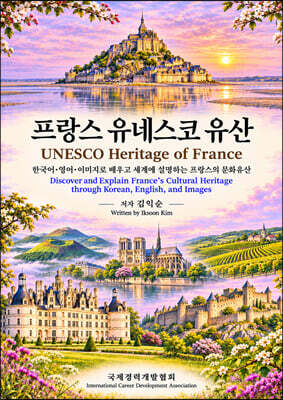
eBook[대여] 프랑스 유네스코 유산 UNESCO Heritage of France 이동[대여] 프랑스 유네스코 유산 UNESCO Heritage of France9,900원
삼성전자 본사 전략기획총괄 인사팀에서 전략기획과 인사 업무를 맡았고, 외국계 제조기업에서 경영지원 임원으로 일했다. 이후 기업을 창업해 운영했다. 서로 다른 배경을 가진 사람들이 같은 장소와 사건을 어떻게 이해하는지에 관심을 두고, 여행과 일상에서 대화를 나눌 때 곁에 두고 읽을 수 있는 책을 쓰고 있다. 주요 저서에는 『미국문화300』, 『글로벌 문화 실수 100』, 『인물과 사건으로 읽는 한국 독립운동 300』, 『쉽게 읽는 조선왕조실록 300』이 있다.
The author is president of the International Career Development Association. He worked in strategic planning and human resources at Samsung Electronics headquarters, served as a corporate support executive at a foreign-affiliated manufacturing company, and later founded and ran a business. His writing explores how people from different backgrounds understand the same places and events, with an emphasis on books readers can turn to for conversations while travelling and in everyday life. His publications include American Culture 300, 100 Global Cultural Mistakes, 300 Accounts of Korea's Independence Movement through People and Events, and An Accessible Guide to the Annals of the Joseon Dynasty 300 (English renderings of the Korean book titles).
관련 분류
- 카테고리 분류
품목정보
- 발행일
- 2026년 11월 24일
- 지원기기
- 크레마, PC(윈도우 - 4K 모니터 미지원), 아이폰, 아이패드, 안드로이드폰, 안드로이드패드
- 파일/용량
- PDF(DRM) | 45.94MB ?
- 글자 수/ 페이지 수
- 약 761쪽 ?
- ISBN13
- 9791123178172
출판사 리뷰
|
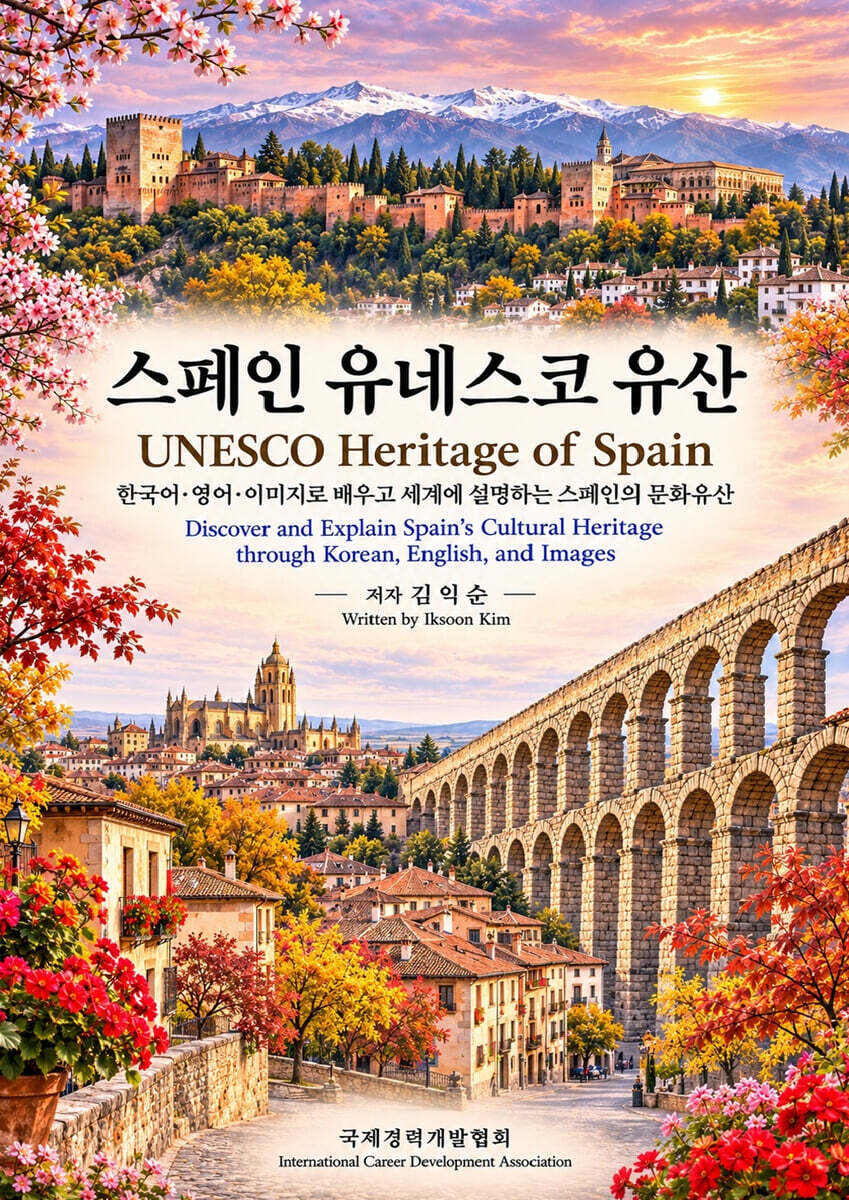
이 책의 특징은 유네스코 등재 명칭을 정리하는 데서 그치지 않고, 개별 유산을 이해할 수 있는 질문을 구체적인 자료와 연결한다는 점이다. 안테케라의 고인돌을 설명할 때에는 무덤의 크기뿐 아니라 입구가 향하는 산과 건축의 관계를 살피고, 세비야·톨레도·그라나다와 같은 도시를 읽을 때에는 건물의 형태가 사람들의 이동과 생활을 어떻게 반영하는지 묻는다. 자연유산도 단순한 풍경 소개가 아니라 장소의 조건과 보존의 의미를 살펴보는 대상으로 다룬다. 무형유산 부분은 축제의 화려한 장면보다 이를 가능하게 하는 규칙과 전승 과정에 주목한다. 발렌시아와 무르시아의 관개재판소에서는 물을 나누는 절차와 공동체의 판단이 중요한 설명 대상이 되고, 플라멩코와 공예를 다루는 대목에서는 배움의 장소와 지역 공동체의 역할이 드러난다. 이 때문에 유산을 과거에 완성된 물건으로만 보는 대신 지금도 사람들 사이에서 유지되고 해석되는 실천으로 이해할 수 있다. 세계기록유산에서는 자료 자체와 자료에 대한 후대의 설명을 구별하는 태도가 돋보인다. 전쟁기 어린이의 그림을 소개하면서 그림에 남은 사실, 박물관의 분류, 독자의 인상을 나누어 읽도록 하는 대목은 기록을 신중하게 해석하는 방법을 보여 준다. 여러 나라에 걸친 기록이나 유산을 다루면서 발생지와 소장처, 등재 대상과 방문 가능한 현장을 구별하는 설명도 활용도가 높다. 한국어와 영어로 대응되는 본문에 대화 질문, 공식 출처 및 방문·열람 안내를 연결한 구성은 독자가 관심 있는 주제를 찾아 독립적으로 읽기 좋게 한다. 여행객뿐 아니라 스페인의 역사·문화를 공부하거나 현지 사람들과 대화를 준비하는 독자에게, 알고 있는 사실을 더 정확한 질문으로 발전시키도록 돕는 책이다. A distinctive feature of this book is that it goes beyond compiling UNESCO listing titles and links each heritage property or practice to concrete questions and evidence. In discussing the Antequera Dolmens, it looks beyond the size of the tombs to the relationship between their entrances and the mountains they face. In cities such as Seville, Toledo and Granada, the built environment becomes a way of asking how people moved, worked and lived. Natural sites are also treated as places whose conditions and conservation deserve explanation, rather than as scenery alone. The chapters on intangible heritage focus less on the spectacle of a festival than on the rules, skills and transmission that make it possible. At the irrigation tribunals of Valencia and Murcia, procedures for sharing water and community judgment are central. In the discussions of flamenco and crafts, places of learning and the contribution of local communities come into view. Heritage is thus presented not merely as something finished in the past, but as a practice sustained and interpreted by people today. In the d-ocumentary heritage section, particular care is taken to distinguish surviving evidence from later descriptions. The account of children's wartime drawings separates what a page shows, how a museum catalogues it, and what a present-day reader might infer. This illustrates a cautious and useful method of interpreting d-ocuments. Similar distinctions between a record's origin and its repository, and between a listed property and a place visitors can actually enter, are valuable when heritage involves more than one country or institution. By combining corresponding Korean and English texts with conversation questions, official sources, and advice on visiting or consulting collections, the book supports selective and independent reading. For travellers and readers studying Spain's history and culture or preparing to talk with people there, it offers a way to turn familiar facts into more precise and engaging questions. |
