
- PDF 안내
-
이 상품은 구매 후 지원 기기에서 예스24 eBook앱 설치 후 바로 이용 가능한 상품입니다.
상세 이미지

소개
목차
|
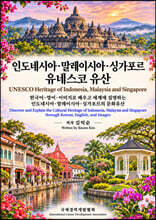
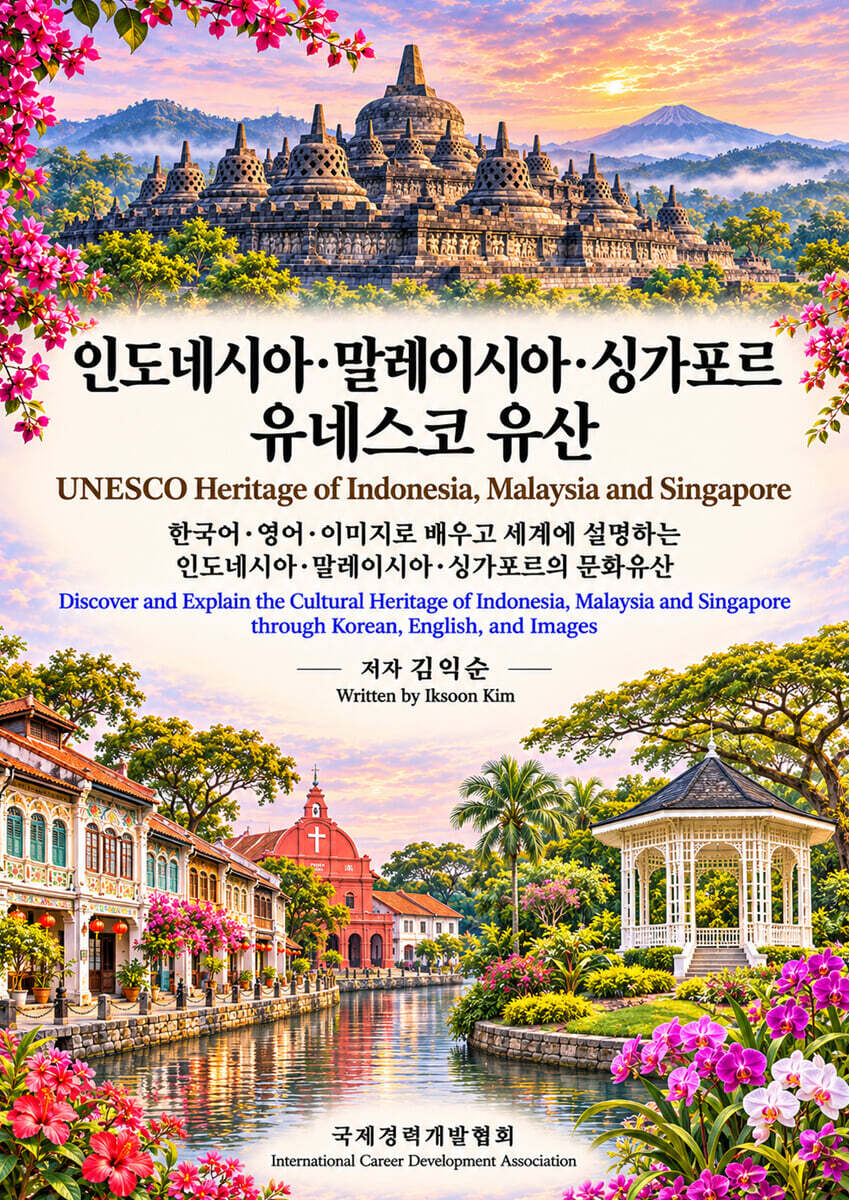
CONTENTS 목차서문 | Preface 저자 소개 및 판권 | Author and publication details 이 책을 읽는 법 | How to Use This Book 제1부 세계유산 Part 1 World Heritage제1장 인도네시아 | Chapter 1 Indonesia001. 보로부두르 사원군 002. 발리주 문화경관: 트리 히타 카라나 철학의 구현인 수박 체계 003. 사와룬토 옴빌린 탄광 유산 004. 프람바난 사원군 005. 상기란 초기인류 유적 006. 욕야카르타의 우주론적 축과 역사 기념물 007. 코모도 국립공원 008. 로렌츠 국립공원 009. 수마트라 열대우림 유산 010. 우중쿨론 국립공원 제2장 말레이시아 | Chapter 2 Malaysia011. 렝공 계곡 고고유산 012. 말레이시아 산림연구소 셀랑고르 산림공원 013. 말라카와 조지타운, 말라카 해협의 역사도시 014. 니아 국립공원 동굴 복합체의 고고유산 015. 구눙 물루 국립공원 016. 키나발루 공원 제3장 싱가포르 | Chapter 3 Singapore017. 싱가포르 식물원 제2부 인류무형문화유산 Part 2 Intangible Cultural Heritage제4장 인도네시아 | Chapter 4 Indonesia018. 와양 인형극 019. 인도네시아 크리스 020. 인도네시아 바틱 021. 페칼롱안 바틱박물관과 협력한 학교·폴리테크닉의 인도네시아 바틱 무형문화유산 교육·훈련 022. 인도네시아 앙클룽 023. 사만 춤 024. 파푸아 주민의 다목적 매듭·직조 가방 노켄 공예 025. 발리 전통춤의 세 장르 026. 피니시: 남술라웨시의 조선술 027. 펜착 실랏 전통 028. 가믈란 029. 자무 웰니스 문화 030. 말리·부르키나파소·코트디부아르·인도네시아의 발라폰과 콜린탕 관련 문화관행과 표현 031. 레오그 포노로고 공연예술 제5장 말레이시아 | Chapter 5 Malaysia032. 막용 극장 033. 돈당 사양 034. 실랏 035. 옹춘·왕촨·왕캉 의식: 인간과 바다의 지속가능한 관계를 유지하는 의례와 관련 관행 036. 송켓 037. 멕 물룽 038. 말레이시아의 아침식사 문화: 다민족 사회의 식사 경험 제6장 싱가포르 | Chapter 6 Singapore039. 싱가포르 호커 문화: 다문화 도시환경의 공동 식사와 음식 관행 제7장 공동등재 | Chapter 7 Shared and Multinational Heritage040. 케바야: 지식·기술·전통과 관행 041. 판툰 제3부 세계기록유산 Part 3 Memory of the World제8장 인도네시아 | Chapter 8 Indonesia042. 네덜란드 동인도회사 기록물 043. 라 갈리고 044. 『나가라크레타가마』 또는 『국가의 기술』(1365) 045. 『바바드 디포네고로』 또는 디포네고로 왕자 자서전 연대기(1785–1855) 046. 아시아-아프리카 회의 기록물 047. 보로부두르 보존 기록물 048. 인도양 쓰나미 기록물 049. 제1차 비동맹운동 정상회의 기록물 050. 수카르노 연설: 1960년 9월 30일 ‘새로운 세계를 건설하자’ 051. 『히카얏 아체』: 15~17세기 아체의 삶을 전하는 세 필사본 052. 자바 무용 기록물: 망쿠느가란 무용예술, 1861–1944 053. 『상 향 식사 칸당 카레시안』 필사본 054. 카르티니 서한과 기록물: 성평등을 위한 투쟁 제9장 말레이시아 | Chapter 9 Malaysia055. 『히카얏 항 투아』 056. 『세자라 멜라유』(말레이 연대기) 057. 고 케다 술탄의 서신(1882–1943) 058. 트렝가누 비문석 059. 『미사 멜라유』 MSS 6 제10장 공동·다국가 기록유산 | Chapter 10 Shared and Multinational d-ocumentary Heritage060. 판지 이야기 필사본 061. 함자 판수리의 저작 062. 동남아시아국가연합(ASEAN)의 탄생: ASEAN 형성 기록물, 1967–1976 |
저자 소개 1
저자는 특이한 경력의 소유자다. ‘삼성전자(대기업)+한소프트넷(벤처기업)+창업+겸임교수’ 업무를 경험하였고, 그동안의 경험을 실전 현장인 자동차 금형 제조공장에서 공장장으로 근무하면서 바코드를 활용한 무인화된 재고관리, 구글 계정을 활용한 전자결재 및 중앙 데이터베이스화, 자체 온라인 교육센터 구축 및 평가 보상 체계 마련, 셀프 리더십으로 함께하는 5S3정 시행, 실시간 공정 협업이 실무적으로 가능한 스마트 팩토리 체계 등을 도입하였다.
코로나19 사태로 ‘기업의 패러다임도 바뀌어야 한다.’며 국제경력개발협회 산하 기업역량강화센터를 이러닝으로 구축하여 널리 보급하고자 활동하고 있다.
김익순의 다른 상품
-
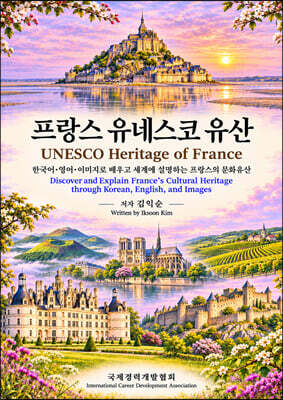
eBook[대여] 프랑스 유네스코 유산 UNESCO Heritage of France 이동[대여] 프랑스 유네스코 유산 UNESCO Heritage of France9,900원
ABOUT THE AUTHOR
저자소개
저자는 삼성전자 본사 전략기획총괄 인사팀에서 전략기획과 인사업무를 맡았으며, 외국계 제조기업에서 경영지원 임원으로 일한 뒤 기업을 창업해 운영했다. 서로 다른 배경의 사람들이 같은 장소와 사건을 어떻게 받아들이는지에 관심을 두고, 여행과 일상에서 문화와 역사를 함께 설명할 수 있는 도서를 집필해 왔다.
관련 저서로는 『미국문화300』과 『글로벌 문화 실수 100』, 『인물과 사건으로 읽는 한국 독립운동 300』과 『쉽게 읽는 조선왕조실록 300』이 있다. 문화적 차이를 접하는 상황과 역사 자료를 바탕으로 사건을 이해하는 방식을 함께 다루어 온 집필 활동은, 이 책에서 세 나라의 유산을 비교하며 일상적 대화와 역사적 이해를 연결하는 접근과 이어진다. 이번 도서에서는 건축물과 자연 경관뿐 아니라 공동체의 생활 관행, 기록물의 생성과 보존을 함께 살피는 시각을 담았다.
About the Author
The author worked in strategic planning and human resources at Samsung Electronics headquarters, later served as a corporate support executive at a foreign-affiliated manufacturing company, and subsequently founded and operated a business. The author's writing has explored how people with different backgrounds understand the same places and events, with an emphasis on discussing culture and history in travel and everyday encounters.
Related books listed in the author's publication details include 『미국문화300』, 『글로벌 문화 실수 100』, 『인물과 사건으로 읽는 한국 독립운동 300』 and 『쉽게 읽는 조선왕조실록 300』. This combination of writing about cultural differences and interpreting historical events through records informs the present book's comparisons across three countries. Here the author considers not only monuments and landscapes but also community practices and the creation and preservation of historical d-ocuments.
품목정보
- 발행일
- 2026년 11월 24일
- 지원기기
- 크레마, PC(윈도우 - 4K 모니터 미지원), 아이폰, 아이패드, 안드로이드폰, 안드로이드패드, 전자책단말기(저사양 기기 사용 불가)
- 파일/용량
- PDF(DRM) | 52.31MB ?
- 글자 수/ 페이지 수
- 약 501쪽 ?
- ISBN13
- 9791123178196
출판사 리뷰
|
BOOK REVIEW 서평이 책의 특징은 동남아시아의 유산을 유명한 관광지나 전통 목록으로만 제시하지 않고, 유산이 만들어지고 전해지며 오늘날 해석되는 과정을 근거와 함께 보여 준다는 데 있다. 같은 지역의 세 나라를 다루지만 국가별 사실을 획일적으로 합치지 않는다. 장소에 남은 흔적, 공동체가 지속하는 실천, 여러 기관에 보존된 기록을 서로 다른 종류의 증거로 다루는 서술 태도가 돋보인다. 보로부두르 사원군을 설명하는 대목은 거대한 사원의 사진에서 한 걸음 더 나아간다. 사각형 단과 원형 단이 불교 세계관을 어떻게 공간으로 나타내는지 살피고, 본사원과 파원·멘둣 사원의 관계를 구별한다. 복원에 사용된 석재와 배수 시설의 문제, 현대의 관람 조건을 함께 소개하여 과거의 유적이 오늘의 보존 작업과 분리되지 않음을 알게 한다. 별도로 수록된 보로부두르 보존 기록물과 연결해 읽으면 눈앞의 건물과 그 건물을 조사·복원한 기록이 어떻게 다른 자료인지 이해할 수 있다. 무형문화유산을 다룰 때에도 단순히 의복의 색채나 음식의 이름을 감상하도록 두지 않는다. 송켓의 바탕 조직과 장식 씨실, 바틱의 밀랍 염색을 구분하여 같은 직물 문화 안에서도 제작 원리가 다르다는 점을 짚는다. 싱가포르 호커센터에서는 조리 기술과 판매 공간, 공동 식탁이 결합하는 방식을 설명한다. 한 접시의 음식만으로 공동체 전체를 대표시키지 않는 태도는 다른 문화를 이야기할 때 성급한 일반화를 피하는 데 도움이 된다. 세계기록유산에서 이러한 태도는 더욱 분명해진다. ASEAN 형성 기록물을 소개하면서 1967년 서명 문서와 비공식 번역본, 후대에 녹음된 구술사 인터뷰의 성격을 구별한다. 특히 1994년의 회고를 창립 당시 작성된 문서와 같은 시기의 증언으로 취급하지 않는 설명은 기록을 읽는 기본 원칙을 구체적인 사례로 보여 준다. 한 사건을 여러 나라의 소장기관과 자료 형식에 따라 다시 확인하게 하는 구성도 역사적 판단의 근거를 넓힌다. 책의 실용적 가치는 이러한 구별을 독자의 행동으로 이어 주는 데 있다. 한국어와 영어의 같은 번호로 이동할 수 있는 목차, 사진과 설명도를 구분한 배치, 각 항목의 짧은 대화 질문이 읽은 내용을 설명하는 출발점을 제공한다. 유네스코 등재 정보와 박물관·기록기관의 공식 페이지로 이어지는 링크, 방문·열람 안내 및 부록은 현장 계획이나 후속 탐구에 필요한 자료를 찾아가도록 돕는다. 여행자뿐 아니라 서로 다른 문화적 배경을 가진 이웃·동료와 대화하려는 독자에게도 유산을 구체적인 사실에서 출발해 이야기하는 방식이 남는다. Book ReviewThe book's distinguishing quality is its attention to how heritage is c-reated, transmitted, preserved and interpreted, rather than treating Southeast Asia as a collection of famous attractions and traditions. Although it covers three neighbouring countries, it does not flatten their histories into a single narrative. It regards physical traces, practices sustained by communities and records kept by institutions as different kinds of evidence that must be read on their own terms. The account of Borobudur moves beyond an imposing photograph. It explains how square and circular terraces express a Buddhist cosmology and distinguishes the main temple from Pawon and Mendut within the inscribed property. Discussions of restoration materials, drainage and present-day visitor arrangements show that an ancient monument also depends on modern conservation choices. Reading this entry alongside the separate Borobudur Conservation Archives makes clear the distinction between a building and the d-ocuments produced to study and restore it. The treatment of living heritage is similarly precise. By distinguishing songket's ground weave and supplementary threads from batik's wax-resist dyeing, the book reveals different methods even where decorative textiles might seem superficially alike. In Singapore's hawker centres it examines the relationship among cooking skills, stalls and shared tables. The refusal to let one dish or garment stand for an entire community offers readers a more careful way to discuss unfamiliar cultural practices. That care is especially valuable in the d-ocumentary heritage section. The discussion of ASEAN's formation separates the signed declaration of 1967 from unofficial translations and oral-history interviews recorded later. In particular, the 1994 recollections are not presented as eyewitness recordings made at the moment of the founding. The example demonstrates why the date and status of a source matter, while the references to records kept in several countries show how a single historical event can be investigated through different institutional collections. The book also turns these distinctions into a reading practice. Matching Korean and English topic numbers, the separation of photographs from explanatory diagrams, and brief conversation questions help readers put observations into words. Links to UNESCO listings and official museum or archival pages, together with visit and access guidance in the a-ppendices, show where further evidence can be checked. For travellers, students and people meeting colleagues or neighbours from different cultural backgrounds, its strongest contribution is a way to begin conversation from concrete and verifiable details while leaving room for other perspectives. |
