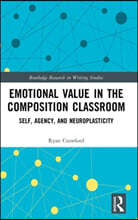

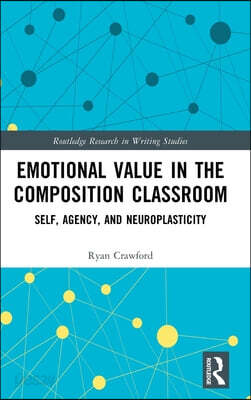
이미 소장하고 있다면 판매해 보세요.
- 국내배송만 가능
- 해외 거래처 사정에 의하여 품절/지연 가능
- 도서 정보 중 미표기 사항 안내?
- 문화비소득공제 가능
Routledge Research in Writing Studies
-
 Productivity, Professionalism, and Parenting in Academia 이동Productivity, Professionalism, and Parenting in Academia10% 97,170원
 -
Generative AI in the English Composition Classroom 이동Generative AI in the English Composition Classroom10% 48,570원
-
Reimagining Graduate Education in Writing Studies 이동Reimagining Graduate Education in Writing Studies10% 348,270원
-
Multidisciplinary Exploration into Flow in Writing 이동Multidisciplinary Exploration into Flow in Writing10% 50,590원
-
Dialogic Editing in Academic and Professional Writing 이동Dialogic Editing in Academic and Professional Writing10% 97,170원
-
Productivity, Professionalism, and Parenting in Academia 이동Productivity, Professionalism, and Parenting in Academia10% 348,270원
-
Emotional Value in the Composition Classroom 이동Emotional Value in the Composition Classroom10% 89,070원
-
Generative AI in the English Composition Classroom 이동Generative AI in the English Composition Classroom10% 137,670원
-
Multidisciplinary Exploration into Flow in Writing 이동Multidisciplinary Exploration into Flow in Writing10% 137,670원
-
Dialogic Editing in Academic and Professional Writing 이동Dialogic Editing in Academic and Professional Writing10% 348,270원
-
Engaging Research Communities in Writing Studies 이동Engaging Research Communities in Writing Studies10% 89,070원
-
Emotional Value in the Composition Classroom 이동Emotional Value in the Composition Classroom10% 348,270원
-
Writing Center Practitioner's Inquiry into Collaboration 이동Writing Center Practitioner's Inquiry into Collaboration10% 44,520원
-
Teaching Writing, Rhetoric, and Reason at the Globalizing University 이동Teaching Writing, Rhetoric, and Reason at the Globalizing University10% 42,490원
-
Arts-Based Research Methods in Writing Studies 이동Arts-Based Research Methods in Writing Studies10% 50,590원
-
Engaging Research Communities in Writing Studies 이동Engaging Research Communities in Writing Studies10% 348,270원
-
Arts-Based Research Methods in Writing Studies 이동Arts-Based Research Methods in Writing Studies10% 137,670원
-
Writing Center Practitioner's Inquiry into Collaboration 이동Writing Center Practitioner's Inquiry into Collaboration10% 137,670원
-
Teaching Writing, Rhetoric, and Reason at the Globalizing University 이동Teaching Writing, Rhetoric, and Reason at the Globalizing University10% 137,670원
-
Digital Reading and Writing in Composition Studies 이동Digital Reading and Writing in Composition Studies10% 101,220원
-
Writing Support for International Graduate Students 이동Writing Support for International Graduate Students10% 97,170원
-
Rhetorical Strategies for Professional Development 이동Rhetorical Strategies for Professional Development10% 52,620원
책소개
목차
|
|
관련 분류
품목정보
- 발행일
- 2023년 08월 24일
- 쪽수, 무게, 크기
- 216쪽 | 453g | 150*230mm
- ISBN13
- 9781032513546
사락 별점0
혜택 및 유의사항밑줄0
혜택 및 유의사항상품정보안내
(판형과 판수 등이 다양한 도서는 찾으시는 도서의 ISBN을 알려 주시면 보다 빠르고 정확한 안내가 가능합니다.)
해외거래처에서 품절인 경우, 2차 거래선을 통해 유럽과 미국 출판사로 직접 수입이 진행될 수 있습니다.
수입 진행 시점으로 부터 2~3주가 추가로 소요되며, 해외에서도 유통이 원활하지 않은 도서는 품절 안내가 지연될 수 있습니다.
해당 경우, 문자와 메일로 별도 안내를 드리고 있사오니 마이페이지에서 휴대전화번호와 메일주소를 다시 한번 확인해주시기 바랍니다.
