
소득공제
수입
직수입양서
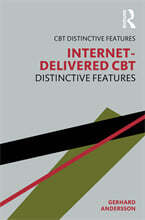
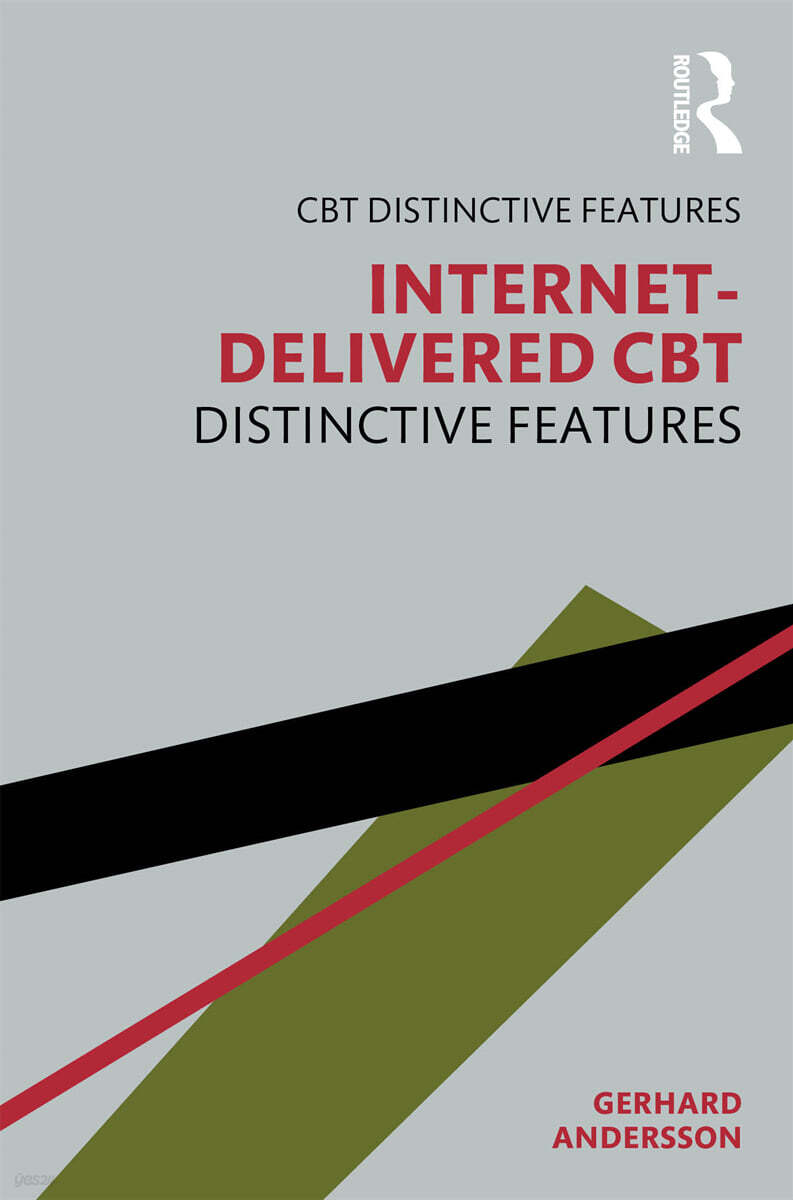
Internet-Delivered CBT
Distinctive Features
Paperback, 1st Edition
Andersson, Gerhard
Routledge
2024.10.08.
이미 소장하고 있다면 판매해 보세요.
- 국내배송만 가능
- 해외 거래처 사정에 의하여 품절/지연 가능
- 도서 정보 중 미표기 사항 안내?
- 문화비소득공제 가능
CBT Distinctive Features
-
 Single-Session Therapy Informed by Client Factors and Cognitive Behaviour Therapy 이동Single-Session Therapy Informed by Client Factors and Cognitive Behaviour Therapy10% 348,270원
 -
Single-Session Therapy Informed by Client Factors and Cognitive Behaviour Therapy 이동Single-Session Therapy Informed by Client Factors and Cognitive Behaviour Therapy10% 74,890원
-
Motivational Cognitive Behavioural Therapy 이동Motivational Cognitive Behavioural Therapy10% 40,470원
-
Motivational Cognitive Behavioural Therapy 이동Motivational Cognitive Behavioural Therapy10% 348,270원
-
CBASP as a Distinctive Treatment for Persistent Depressive Disorder 이동CBASP as a Distinctive Treatment for Persistent Depressive Disorder10% 295,620원
-
CBASP as a Distinctive Treatment for Persistent Depressive Disorder 이동CBASP as a Distinctive Treatment for Persistent Depressive Disorder10% 50,590원
책소개
목차
|
List of figures and tables Part I: Background, techniques and assumptions 1. Introduction 2. Self-help treatments and bibliotherapy 3. Computerized CBT 4. The internet and its role for CBT 5. How to set up a treatment platform 6. Internet-based assessment procedures 7. Use of smartphone apps, wearables, gamification, virtual reality and cognitive bias modification 8. Video therapy 9. Specific assumptions and theories 10. ICBT as education 11. How to develop new treatments 12. How to evaluate treatments 13. Adaptions and the role of culture 14. Different ways to support 15. The treatment process in research trials and in the clinic Part II: Applications and practice of ICBT 16. Therapist behaviour and the role of the alliance 17. Internet treatments for anxiety: children and adolescents 18. Internet treatments for anxiety: adults 19. Internet treatments for anxiety: older adults 20. Internet treatments for depression: children and adolescents 21. Internet treatments for depression: adults 22. Internet treatments for depression: older adults 23. Transdiagnostic and tailored internet treatments 24. Problem-focused internet treatments I 25. Problem-focused internet treatments II 26. Eating disorders, insomnia, stress, sexual health and neurological conditions 27. Somatic disorders 28. Other treatment orientations 29. Experiences of clients and clinicians 30. Future directions and concluding remarks. References Index |
품목정보
- 발행일
- 2024년 10월 08일
- 쪽수, 무게, 크기
- 186쪽 | 220g | 130*200mm
- ISBN13
- 9781032591926
사락 별점0
혜택 및 유의사항밑줄0
혜택 및 유의사항상품정보안내
직수입외서의 경우, 해외거래처에서 제공하는 정보가 부족하여 제목, 표지, 가격, 유통상태 등의 정보가 미비하거나 변경되는 경우가 있습니다. 정확한 확인을 원하시는 경우, 일대일 상담으로 문의하여 주시면 답변 드리겠습니다.
(판형과 판수 등이 다양한 도서는 찾으시는 도서의 ISBN을 알려 주시면 보다 빠르고 정확한 안내가 가능합니다.)
해외거래처에서 품절인 경우, 2차 거래선을 통해 유럽과 미국 출판사로 직접 수입이 진행될 수 있습니다.
수입 진행 시점으로 부터 2~3주가 추가로 소요되며, 해외에서도 유통이 원활하지 않은 도서는 품절 안내가 지연될 수 있습니다.
해당 경우, 문자와 메일로 별도 안내를 드리고 있사오니 마이페이지에서 휴대전화번호와 메일주소를 다시 한번 확인해주시기 바랍니다.
(판형과 판수 등이 다양한 도서는 찾으시는 도서의 ISBN을 알려 주시면 보다 빠르고 정확한 안내가 가능합니다.)
해외거래처에서 품절인 경우, 2차 거래선을 통해 유럽과 미국 출판사로 직접 수입이 진행될 수 있습니다.
수입 진행 시점으로 부터 2~3주가 추가로 소요되며, 해외에서도 유통이 원활하지 않은 도서는 품절 안내가 지연될 수 있습니다.
해당 경우, 문자와 메일로 별도 안내를 드리고 있사오니 마이페이지에서 휴대전화번호와 메일주소를 다시 한번 확인해주시기 바랍니다.
47,780원
총 1개
47,780원
