
이미 소장하고 있다면 판매해 보세요.
- 국내배송만 가능
- 해외 거래처 사정에 의하여 품절/지연 가능
- 도서 정보 중 미표기 사항 안내?
- 문화비소득공제 가능
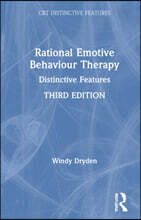
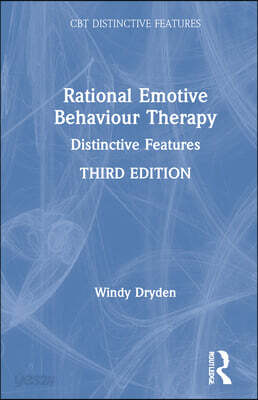
CBT Distinctive Features
-
 Single-Session Therapy Informed by Client Factors and Cognitive Behaviour Therapy 이동Single-Session Therapy Informed by Client Factors and Cognitive Behaviour Therapy10% 348,270원
 -
Single-Session Therapy Informed by Client Factors and Cognitive Behaviour Therapy 이동Single-Session Therapy Informed by Client Factors and Cognitive Behaviour Therapy10% 74,890원
-
Motivational Cognitive Behavioural Therapy 이동Motivational Cognitive Behavioural Therapy10% 40,470원
-
Motivational Cognitive Behavioural Therapy 이동Motivational Cognitive Behavioural Therapy10% 348,270원
-
CBASP as a Distinctive Treatment for Persistent Depressive Disorder 이동CBASP as a Distinctive Treatment for Persistent Depressive Disorder10% 295,620원
-
CBASP as a Distinctive Treatment for Persistent Depressive Disorder 이동CBASP as a Distinctive Treatment for Persistent Depressive Disorder10% 50,590원
책소개
목차
|
Part 1 THE DISTINCTIVE THEORETICAL FEATURES OF REBT ; Terminology and theory; Post-modernism, relativism and other emphases: REBT’s distinctive theoretical heritage; REBT’s distinctive ABC model; Rigid and extreme attitudes are at the core of psychological disturbance ; Flexible and non-extreme attitudes are at the core of psychological health; Distinction between unhealthy negative emotions (UNEs) and healthy negative emotions (HNEs); REBT’s key principle of emotional responsibility; Explaining why clients’ inferences are highly distorted; Position on human worth; Distinction between ego and discomfort disturbance and health; Focus on meta-psychological disturbance; The biological basis of human disturbance; REBT’s position on the origin and maintenance of psychological problems; REBT’s position on psychological change; Position on good mental health; Part 2 THE DISTINCTIVE PRACTICAL FEATURES OF REBT; The therapeutic relationship in REBT; Position on case formulation; Psycho-educational emphasis; Dealing with problems in order: (i) disturbance; (ii) dissatisfaction; (iii) development; Early focus on rigid and extreme basic attitudes (R/EBs); Helping clients to change their rigid and extreme attitudes to flexible and non-extreme attitudes; Variety of therapeutic styles; REBT encourages clients to seek adversity when carrying out homework assignments, but does so sensibly; Change is hard work and the use of therapist force and energy; Emphasis on teaching clients general flexible and non-extreme attitudes and encouraging them to make a profound philosophic change; Compromises in therapeutic change; When to use a change-based focus (CBF) and when to use an acceptance-based focus (ABF); Focus on clients’ misconceptions, doubts, reservations and objections to REBT; Therapeutic efficiency; Theoretically consistent eclecticism; Appendix; References |
품목정보
- 발행일
- 2021년 02월 25일
- 쪽수, 무게, 크기
- 152쪽 | 640g | 120*190mm
- ISBN13
- 9780367685768
사락 별점0
혜택 및 유의사항밑줄0
혜택 및 유의사항상품정보안내
(판형과 판수 등이 다양한 도서는 찾으시는 도서의 ISBN을 알려 주시면 보다 빠르고 정확한 안내가 가능합니다.)
해외거래처에서 품절인 경우, 2차 거래선을 통해 유럽과 미국 출판사로 직접 수입이 진행될 수 있습니다.
수입 진행 시점으로 부터 2~3주가 추가로 소요되며, 해외에서도 유통이 원활하지 않은 도서는 품절 안내가 지연될 수 있습니다.
해당 경우, 문자와 메일로 별도 안내를 드리고 있사오니 마이페이지에서 휴대전화번호와 메일주소를 다시 한번 확인해주시기 바랍니다.