

- 주문 제작 (POD) 도서로 제본 및 인쇄 품질이 다소 미흡할 수 있습니다 (해당 사유 반품 불가)
이미 소장하고 있다면 판매해 보세요.
- 국내배송만 가능
- 해외 거래처 사정에 의하여 품절/지연 가능
- 도서 정보 중 미표기 사항 안내?
- 문화비소득공제 가능
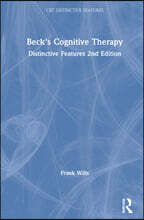
CBT Distinctive Features
-
 Single-Session Therapy Informed by Client Factors and Cognitive Behaviour Therapy 이동Single-Session Therapy Informed by Client Factors and Cognitive Behaviour Therapy10% 348,270원
 -
Single-Session Therapy Informed by Client Factors and Cognitive Behaviour Therapy 이동Single-Session Therapy Informed by Client Factors and Cognitive Behaviour Therapy10% 74,890원
-
Motivational Cognitive Behavioural Therapy 이동Motivational Cognitive Behavioural Therapy10% 40,470원
-
Motivational Cognitive Behavioural Therapy 이동Motivational Cognitive Behavioural Therapy10% 348,270원
-
CBASP as a Distinctive Treatment for Persistent Depressive Disorder 이동CBASP as a Distinctive Treatment for Persistent Depressive Disorder10% 295,620원
-
CBASP as a Distinctive Treatment for Persistent Depressive Disorder 이동CBASP as a Distinctive Treatment for Persistent Depressive Disorder10% 50,590원
책소개
목차
|
Introduction: From Kraepelin to Beck to us; Part I: THEORY; |
품목정보
- 발행일
- 2021년 08월 31일
- 쪽수, 무게, 크기
- 176쪽 | 264g | 120*190mm
- ISBN13
- 9780367519483
사락 별점0
혜택 및 유의사항밑줄0
혜택 및 유의사항상품정보안내
(판형과 판수 등이 다양한 도서는 찾으시는 도서의 ISBN을 알려 주시면 보다 빠르고 정확한 안내가 가능합니다.)
해외거래처에서 품절인 경우, 2차 거래선을 통해 유럽과 미국 출판사로 직접 수입이 진행될 수 있습니다.
수입 진행 시점으로 부터 2~3주가 추가로 소요되며, 해외에서도 유통이 원활하지 않은 도서는 품절 안내가 지연될 수 있습니다.
해당 경우, 문자와 메일로 별도 안내를 드리고 있사오니 마이페이지에서 휴대전화번호와 메일주소를 다시 한번 확인해주시기 바랍니다.