
이미 소장하고 있다면 판매해 보세요.
- 해외배송 가능?
- 문화비소득공제 가능
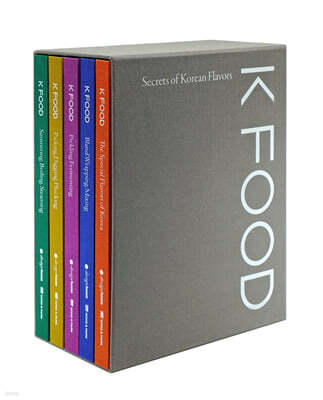
이 상품의 시리즈 6
이 상품의 시리즈 알림신청-
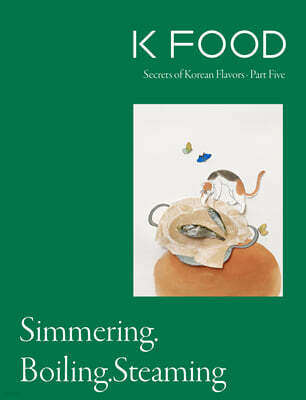
K FOOD : Secrets of Korean Flavors : Part 5 이동K FOOD : Secrets of Korean Flavors : Part 55% 38,000원
-
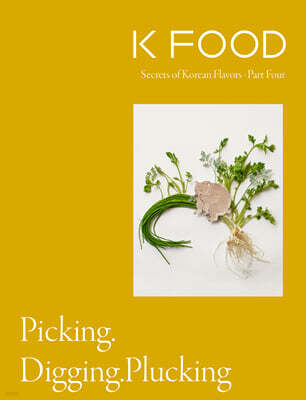
K FOOD : Secrets of Korean Flavors : Part 4 이동K FOOD : Secrets of Korean Flavors : Part 45% 38,000원
-
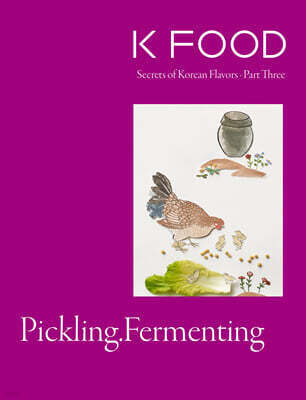
K FOOD : Secrets of Korean Flavors : Part 3 이동K FOOD : Secrets of Korean Flavors : Part 35% 38,000원
-
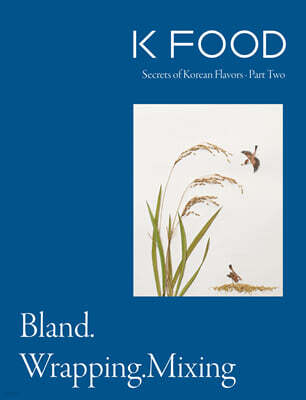
K FOOD : Secrets of Korean Flavors : Part 2 이동K FOOD : Secrets of Korean Flavors : Part 25% 38,000원
이 상품의 태그
책소개
목차
|
Prologue
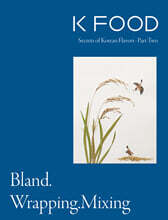
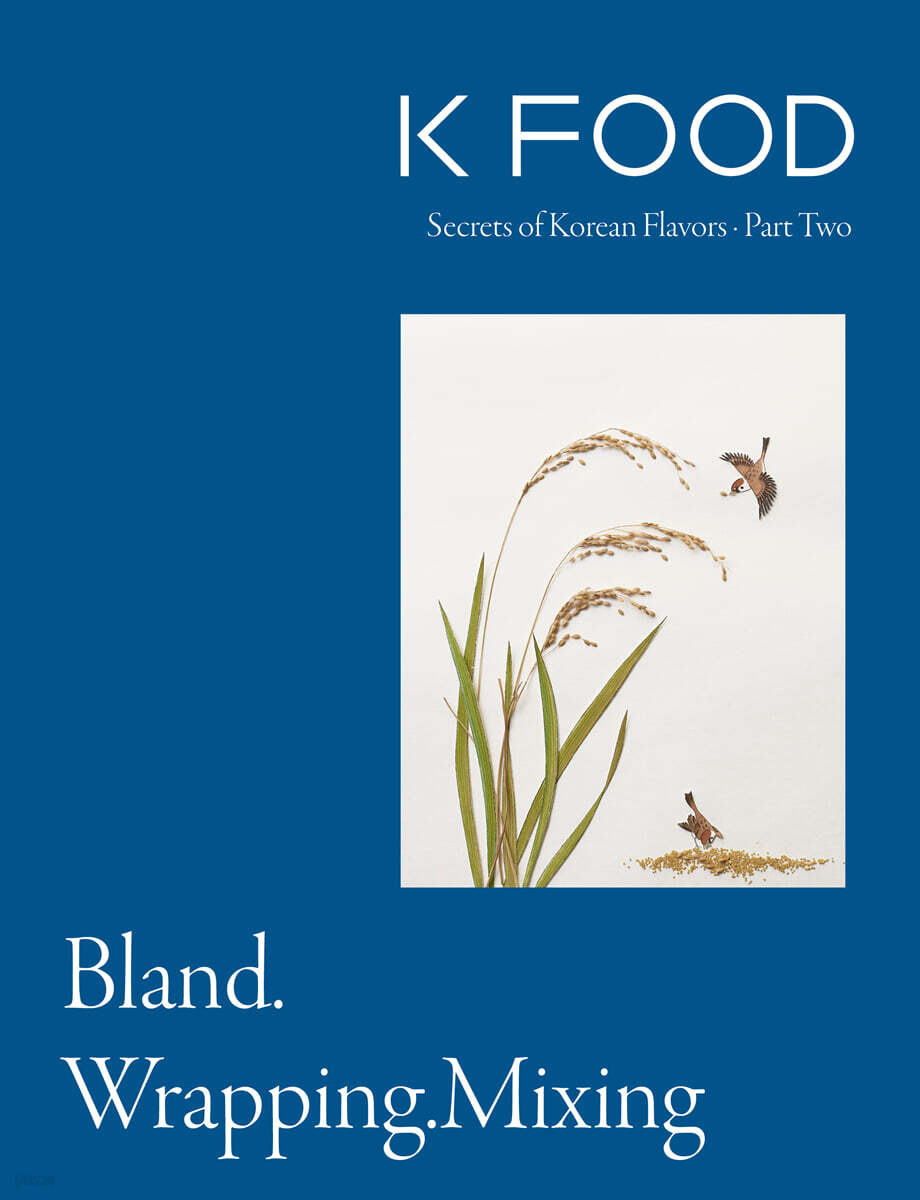
Bland Wrapping and Mixing The Fusion Culture Created by Rice Bland The Korean Way of Dining Why Have Koreans Made Rice Their Staple Food? Future of the 0.001%: Korea’s Native Rice An Introduction to Korea’s Most Prominent Native Rice Cultivars Comparing the Tastes of Korean Rice Cultivars The Infinite Transformations of Ssal and Bap in the Korean Language Tools to Make Rice: From Cast-Iron Cauldrons to Pressure Cookers Secrets of Instant Rice Why Did Koreans Drink Sungnyung After Meals? Juk: A Food That Came Before Cooked Rice Wrapping Everything Korean Ssambap: Fortune and Health in a Wrap How Quick Meals in the Fields Became Ssambap Common Wrapping Leaves in Korea Gujeolpan: Ssam, Elevated What’s in a Royal Lettuce Ssam? When Did Koreans Start Eating Gimbap? Korea’s Mandu vs. China’s Dumplings The Secrets of Frozen Mandu Mixing Cooked Rice Bibimbap: A Commonwealth of Flavors Haeju Bibimbap Jinju Bibimbap Tongyeong Bibimbap Andong Bibimbap Jeonju Bibimbap Sesame Oil and Perilla Oil: The Finishing Touches of Korean Dishes Korea’s Top Bibimbap Restaurants Everyday Korean Dishes Made by Mixing and Wrapping |
저자 소개 1
A House Full of Happiness
1987년에 창간된 《행복이 가득한 집》은 인테리어와 건축을 비롯해 요리와 패션, 문화와 예술에 관한 새로운 정보를 전달하며, 일상을 디자인하고 삶을 풍요롭게 만드는 방법을 제안하는 라이프스타일 잡지이다. 가십이나 스캔들 기사 없는 온 가족이 함께 볼 수 있는 잡지, 마음과 영혼에 양식이 되는 ‘셸터 매거진(Shelter Magazine)’을 지향하며 진정성을 담은 기사와 정선된 광고를 담아, 우리나라에서 발행되는 잡지 중 가장 많은 정기 구독자 수를 자랑한다.
이 책은 《행복이 가득한 집》에 실린 ‘한옥’에 대한 칼럼을 선별해 엮은 것으로, 사는 이가 저마다의 취향과 라
1987년에 창간된 《행복이 가득한 집》은 인테리어와 건축을 비롯해 요리와 패션, 문화와 예술에 관한 새로운 정보를 전달하며, 일상을 디자인하고 삶을 풍요롭게 만드는 방법을 제안하는 라이프스타일 잡지이다. 가십이나 스캔들 기사 없는 온 가족이 함께 볼 수 있는 잡지, 마음과 영혼에 양식이 되는 ‘셸터 매거진(Shelter Magazine)’을 지향하며 진정성을 담은 기사와 정선된 광고를 담아, 우리나라에서 발행되는 잡지 중 가장 많은 정기 구독자 수를 자랑한다.
이 책은 《행복이 가득한 집》에 실린 ‘한옥’에 대한 칼럼을 선별해 엮은 것으로, 사는 이가 저마다의 취향과 라이프스타일에 맞추어 아름답고 실용적으로 개축 또는 신축한 한옥을 기자들이 직접 찾아다니며 취재했다. 북촌 한옥마을의 전통 한옥을 고쳐 지은 살림집부터 1만m²가 넘는 대지에 첨단 소재를 사용해 새로 지은 한옥 호텔까지 스물네 채의 집을 속속들이 구경할 수 있다.
최근 출간한 『더 홈』은 《행복이 가득한 집》의 대표 칼럼인 ‘라이프&스타일’을 선별해 엮은 것으로 기자들이 건축, 공예, 인테리어, 교육, 출판 등 다양한 분야에 몸담고 있는 사람들의 집을 직접 찾아다니며 취재한 이야기다. 자신의 분야에서 성공과 행복을 일군 스물두 명의 라이프스타일과 그들이 그 라이프스타일을 꾸려 가는 공간을 소개함으로써, 독자들이 저마다 살고 싶은 집, 꿈꾸는 일상을 구체적으로 그리고 그 꿈을 실현할 수 있도록 안내한다.
이 책은 《행복이 가득한 집》에 실린 ‘한옥’에 대한 칼럼을 선별해 엮은 것으로, 사는 이가 저마다의 취향과 라이프스타일에 맞추어 아름답고 실용적으로 개축 또는 신축한 한옥을 기자들이 직접 찾아다니며 취재했다. 북촌 한옥마을의 전통 한옥을 고쳐 지은 살림집부터 1만m²가 넘는 대지에 첨단 소재를 사용해 새로 지은 한옥 호텔까지 스물네 채의 집을 속속들이 구경할 수 있다.
최근 출간한 『더 홈』은 《행복이 가득한 집》의 대표 칼럼인 ‘라이프&스타일’을 선별해 엮은 것으로 기자들이 건축, 공예, 인테리어, 교육, 출판 등 다양한 분야에 몸담고 있는 사람들의 집을 직접 찾아다니며 취재한 이야기다. 자신의 분야에서 성공과 행복을 일군 스물두 명의 라이프스타일과 그들이 그 라이프스타일을 꾸려 가는 공간을 소개함으로써, 독자들이 저마다 살고 싶은 집, 꿈꾸는 일상을 구체적으로 그리고 그 꿈을 실현할 수 있도록 안내한다.
행복이 가득한 집 편집부의 다른 상품
-
K FOOD : Secrets of Korean Flavors : Part 5 이동K FOOD : Secrets of Korean Flavors : Part 538,000원 5%
-
K FOOD : Secrets of Korean Flavors : Part 4 이동K FOOD : Secrets of Korean Flavors : Part 438,000원 5%
-
K FOOD : Secrets of Korean Flavors : Part 3 이동K FOOD : Secrets of Korean Flavors : Part 338,000원 5%
-
K FOOD : Secrets of Korean Flavors : Part 1 이동K FOOD : Secrets of Korean Flavors : Part 138,000원 5%
품목정보
- 발행일
- 2021년 09월 30일
- 쪽수, 무게, 크기
- 215쪽 | 787g | 188*245*20mm
- ISBN13
- 9781635190335
출판사 리뷰
|
“There's never been a Korean food book like this before"
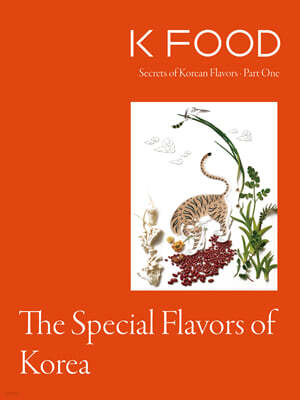
As the first Minister of Culture, Lee O-young, states, people who say 'eat age' (which means getting older), 'eat money' (that is, earning it), 'eat insults' (being bad-mouthed), 'eat hardship' (exerting yourself), 'eat fear' (getting scared), ‘eat your mind' (making up one’s mind), 'eat a championship' (winning one), and 'eat feelings' (when one is really touched) are Koreans. In dealing with food, time, space, emotions, and goods, Koreans have been inseparable from the activity of eating. However, there were not many books that explored the way they ate and lived. Above all, it is rare to find a book that properly answers the question of people outside the country, 'What are the characteristics of Korean food?' Five Codes to Examine Korean Food: ‘Flavorlessness,’ ‘Fusion,’ ‘Fermentation,’ ‘Gathering,’ and ‘Moist-Heat’ 『K FOOD: Secrets of Korean Flavors』 is the result of an effort to examine the spirit and substance, and the past and the present, that has taken root in the Korean table, with a dense and bold eye. Above all, this book looks at Korean food in terms of cultural codes such, as 'flavorlessness,' 'fusion,' 'fermentation,' 'gathering,' and 'moist-heat' instead of traditional standards, such as 'season' and 'ingredients.' Korean food begins with a bland and mild ‘tasteless’ rice, and that rice is wrapped up in a ssam or mixed with meat and vegetable ingredients, sesame oil, and red pepper paste for ‘fusion’ properties, which are the first and second codes. While the Western cooking code consists of the confrontation between cooked and raw, and meat diet and vegetarianism, the third code examines the taste of fermented Korean food, that is, Korean food through ‘fermentation.’ The fourth code, ‘namul culture,’ looks into Korean food through the tradition of the ‘gathering era’ of digging for namul (greens), picking tree fruits, and plucking marine plants. The fifth code, ‘wet culture’, focuses on foods that are always included in Koreans' meals. They are broth-based foods such as soup, tang, stew, and hot pot, foods that need to be simmered, such as yeot (Korean taffy), grain syrup, and syrup, and foods cooked with steam, such as rice cakes and other steamed foods. Former Minister of Culture Lee O-young, “Korea’s best scholar,” took on the task of coding through this insight into the spirit and matter, and the past and the present of Korean food. Han Bokryeo, the director of the Institute of Korean Royal Cuisine, Chung Haekyung, Professor in the Department of Food and Nutrition at Hoseo University, Park Chaelin, Ph.D. at the World Institute of Kimchi, and Cha Gyunghee, Professor of Korean Cuisine at Jeonju University, were responsible for the task of specifying and presenting the code in detail across each volume. The two-year-long journey bundled into five volumes originated from the idea that food, especially Korean food, is not just a material substance that fills the stomach but somewhat of a 'media' with strong communication powers. This is the result of a comprehensive examination from the roots of Korean food such as royal cuisine, temple food, and Jongga food, to the scenery of the dining table where Koreans live in 2021, and from the source of ingredients to producers, from representative local foods to popular products on the market. Korean food, which is prepared by mixing, fermenting, seasoning, and boiling, harmonizes with the principles of circulation and paradox. They do not ‘exclude’ but ‘include,’ and embrace and harmonize with each other. It not only adheres to the memories of the past or the taste of tradition, but also fuses and develops with the present taste and foreign culture, and as this book struggled to find this, it would be very reasonable to name this book ‘K-food,’ like ‘K-pop,’ ‘K-drama,’ and ‘K-beauty.’ A cookbook co-created by the ‘Korean Food Avengers’ 『K FOOD: Secrets of Korean Flavors』 consists of the ‘Food Humanities’ section at the beginning of each book which unravels Korean food by code. At the back of each volume, according to the code, there are ‘everyday Korean recipes’ that Koreans enjoy these days. A total of 158 recipes were recorded in detail, from the selection of ingredients to recipes: 33 everyday Korean food made by wrapping and mixing, 54 recipes of everyday Korean food made by pickling and fermenting, 36 recipes of everyday Korean food prepared by digging, pickling and plucking, and 35 recipes of everyday Korean food made by boiling, simmering and steaming. Korean food chef Cho Heesuk (2 volumes), Lee Hayeon (3 volumes), the Kimchi Association of Korea’s president and Food Master designated by the Ministry of Agriculture, Food and Rural Affairs (3 volumes), Korean food chef Roh Younghee (4 volumes), and Han Bokryeo (5 volumes), a master of royal cuisine of the Joseon Dynasty, participated in this work. It can be said that it is a work in which the ‘Korean Avengers’ participated. As a result, Korean recipes that started from the authenticity that captured the present and daily life were completed. This cookbook, 『K FOOD: Secrets of Korean Flavors』 has the attitude of seeking truth from facts. |