
이미 소장하고 있다면 판매해 보세요.
- 국내배송만 가능
- 해외 거래처 사정에 의하여 품절/지연 가능
- 도서 정보 중 미표기 사항 안내?
- 문화비소득공제 가능
Routledge Studies in Chinese Discourse Analysis
-
 Meaning Generation in Chinese Official Media Discourse 이동Meaning Generation in Chinese Official Media Discourse10% 99,330원
 -
Feminist Subversion of Linguistic Sexism in Contemporary China 이동Feminist Subversion of Linguistic Sexism in Contemporary China10% 356,010원
-
Narratives of the Hong Kong Sovereignty Transfer 이동Narratives of the Hong Kong Sovereignty Transfer10% 356,010원
-
Meaning Generation in Chinese Official Media Discourse 이동Meaning Generation in Chinese Official Media Discourse10% 356,010원
-
Inclusivity and Belonging in Chinese Discourse 이동Inclusivity and Belonging in Chinese Discourse10% 99,330원
-
Notional Analysis of Chinese Academic Discourse on China 이동Notional Analysis of Chinese Academic Discourse on China10% 99,330원
-
Language of Nation-State Building in Late Qing China 이동Language of Nation-State Building in Late Qing China10% 91,050원
-
Inclusivity and Belonging in Chinese Discourse 이동Inclusivity and Belonging in Chinese Discourse10% 356,010원
-
Notional Analysis of Chinese Academic Discourse on China 이동Notional Analysis of Chinese Academic Discourse on China10% 356,010원
-
Language and Gesture in Chinese Conversation 이동Language and Gesture in Chinese Conversation10% 91,050원
-
Currency Wars with China and Japan in Western Newsmagazines 이동Currency Wars with China and Japan in Western Newsmagazines10% 97,260원
-
Language Socialization in Chinese Diasporas 이동Language Socialization in Chinese Diasporas10% 91,050원
-
Language of Nation-State Building in Late Qing China 이동Language of Nation-State Building in Late Qing China10% 302,190원
-
China's Contemporary Image and Rhetoric Practice 이동China's Contemporary Image and Rhetoric Practice10% 99,330원
-
Language and Gesture in Chinese Conversation 이동Language and Gesture in Chinese Conversation10% 356,010원
-
Currency Wars with China and Japan in Western Newsmagazines 이동Currency Wars with China and Japan in Western Newsmagazines10% 356,010원
-
Language Socialization in Chinese Diasporas 이동Language Socialization in Chinese Diasporas10% 356,010원
-
China's Contemporary Image and Rhetoric Practice 이동China's Contemporary Image and Rhetoric Practice10% 356,010원
-
News Framing through English-Chinese Translation 이동News Framing through English-Chinese Translation10% 99,330원
-
News Framing through English-Chinese Translation 이동News Framing through English-Chinese Translation10% 356,010원
책소개
목차
|
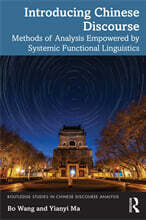
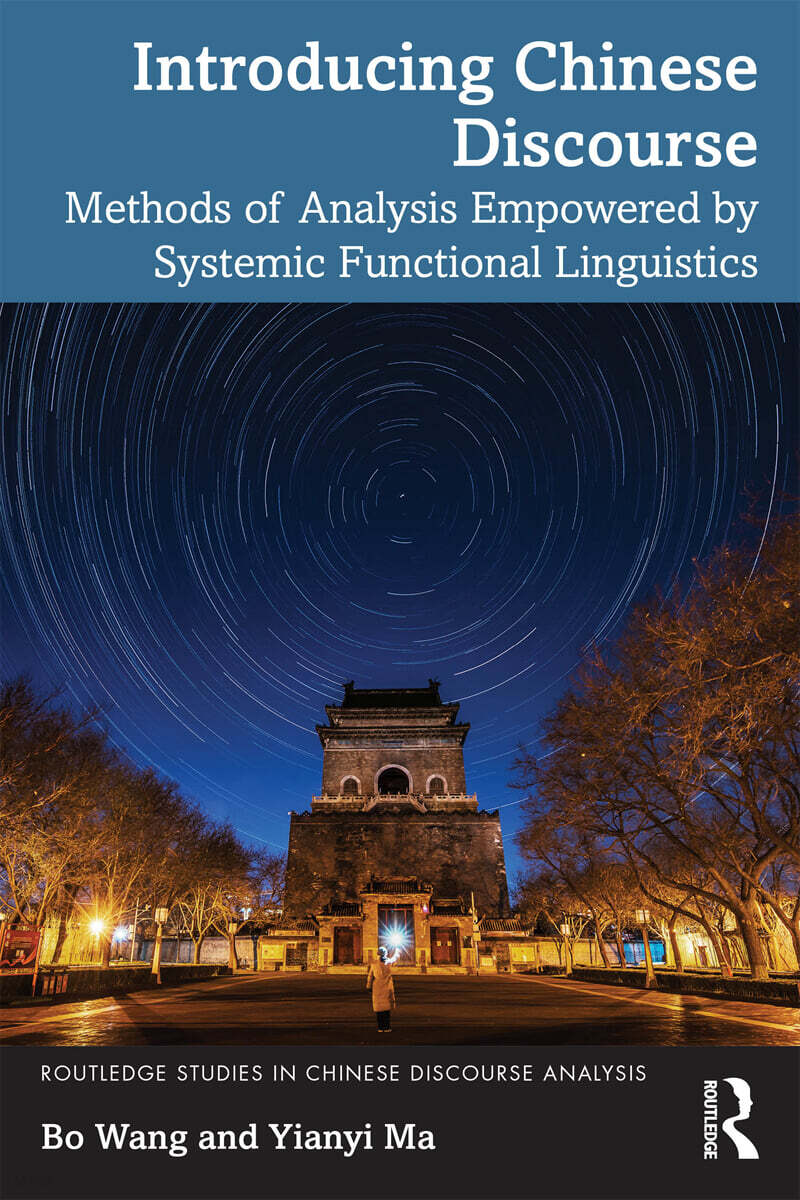
Part I A Text Typology and Analytical Approaches Chapter 2 Theoretical Perspectives of Approaching Chinese Discourse In Chapter 2, we introduce the various theories that are suitable for discourse analysis. As elaborated in Chapter 1, text/discourse is located in semantics in terms of stratification, the linguistic approaches are then distinguished according to Halliday’s (e.g. 1978, 1979, 1996) trinocular vision as those from below, from roundabout and from above. Firstly, approaching from above means from the vantage point of context by examining the contextual parameters of field, tenor and mode and the contextual structure. Secondly, the perspective from roundabout involves the approaches from semantics, such as rhetorical relation, progression and speech function. Thirdly, the perspective from below includes the approaches from lexicogrammar, phonology (graphology) and phonetics (graphetics), such as lexicogrammatical analysis based on the systems of THEME, MOOD, MODALITY, TRANSITIVITY, TAXIS, and LOGICO-SEMANTIC TYPE, lexical cohesion and lexical appraisal. We will provide an introduction these “analytical toolkits” and illustrate how SFL analysis can be conducted from these approaches. In Part II, we will apply these methods to text analysis. Part II Analyzing Chinese Discourse of Different Types Chapter 3 Doing Discourse in Chinese Chapter 4 Enabling Discourse in Chinese Chapter 5 Recommending Discourse in Chinese Chapter 6 Exploring Discourse in Chinese Chapter 7 Expounding Discourse in Chinese Chapter 8 Reporting Discourse in Chinese Chapter 9 Sharing Discourse in Chinese Chapter 10 Recreating Discourse in Chinese Part II of the book is expected to present a comprehensive map of the different types of Chinese discourse. From Chapter 3 to Chapter 10, we will focus on one type of discourse in each chapter. To take Chapter 10 as an example, we will discuss the various recreating texts/discourses in Chinese (see Table 2), and the texts selected are expected to include a poem by Li Bai (Li Po 李白), a ci poem by Su Shi (??), a short passage of Chinese cross talk (相?), a selection of drama, a short story and a song for children. We first characterize each text according to field, tenor and mode. Then we present our text analysis focusing on different perspectives. For instance, for the cross talk, we carry out an interpersonal analysis in systems of MOOD and SPEECH FUNCTION, pointing out which character from the cross talk is playing a major role in the performance and discussing the realization of such tenor relationship in lexicogrammar. For the dramatic text, we analyze an excerpt from Wilderness (原野) ? a drama written by Cao Yu (曹?) in terms of MOOD and MODALITY. For the short story, we will analyze a Chinese myth based on the system of TRANSITIVITY of the experiential grammar of the clause, pointing out how the characters and events are construed in terms of process type. Adopting the principle of trinocular vision, we include the perspectives of “from above”, “from roundabout” and “from below” in our analysis instead of restricting ourselves to one perspective only. Table 2 Texts to be analyzed in Chapter 10 socio-semiotic process text type data analytical perspective recreating narrating poetry in Tang dynasty Thoughts on a Quiet Night (?夜思), Dawn of Spring (春?) THEME, MOOD, TRANSITIVITY, RST (Rhetorical Structure Theory) ci poetry in Song dynasty Prelude to Water Melody: How Long Will the Full Moon Appear (水?歌?·明月??有) THEME, MOOD, TRANSITIVITY, RST (Rhetorical Structure Theory) short story (legend) Goddess Chang Flying to the Moon (嫦娥奔月) contextual structure, TRANSITIVITY dramatizing cross talk Reporting the Dish Names (?菜名) MOOD, SPEECH FUNCTION drama Wilderness (原野) MOOD, MODALITY song The Dangerous electric current (危?的?流) MOOD, RST Part III Epilogue Chapter 11 Towards a Typology of Chinese Discourse In Chapter 11, we will first summarize the different text types analyzed in this book in accordance with the text typology presented in Chapter 1. Then we discuss the advantages of this typology, i.e. the approach of viewing text “from above” in relation to the text analyses throughout this book conducted “from roundabout” and “from below”. Finally, we comment on how our typology can be used in different areas of application, such as (i) educational linguistics, (ii) translation studies and translator training, and (iii) language description. |
품목정보
- 발행일
- 2025년 05월 13일
- 쪽수, 무게, 크기
- 134쪽 | 290g | 160*230mm
- ISBN13
- 9780367649821
리뷰/한줄평0
상품정보안내
(판형과 판수 등이 다양한 도서는 찾으시는 도서의 ISBN을 알려 주시면 보다 빠르고 정확한 안내가 가능합니다.)
해외거래처에서 품절인 경우, 2차 거래선을 통해 유럽과 미국 출판사로 직접 수입이 진행될 수 있습니다.
수입 진행 시점으로 부터 2~3주가 추가로 소요되며, 해외에서도 유통이 원활하지 않은 도서는 품절 안내가 지연될 수 있습니다.
해당 경우, 문자와 메일로 별도 안내를 드리고 있사오니 마이페이지에서 휴대전화번호와 메일주소를 다시 한번 확인해주시기 바랍니다.