
소득공제
수입
직수입양서
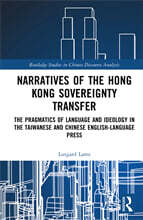
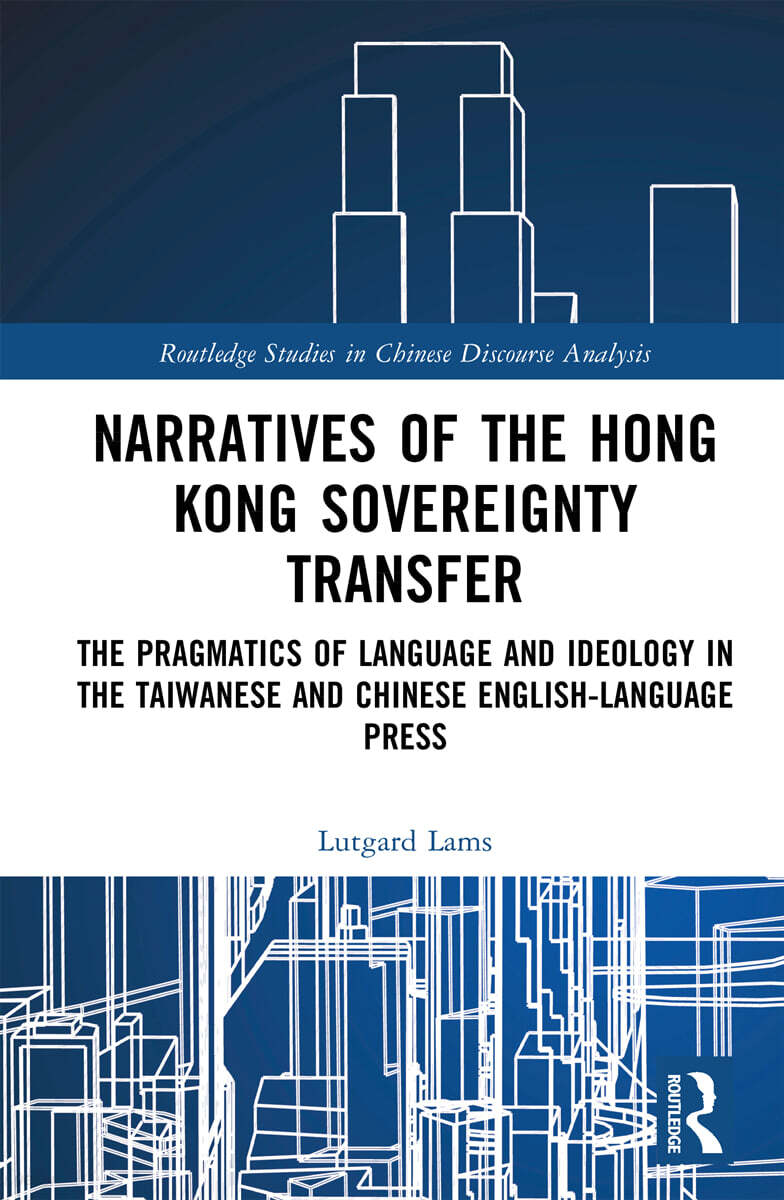
Narratives of the Hong Kong Sovereignty Transfer
The Pragmatics of Language and Ideology in the Taiwanese and Chinese English-Language Press
Hardback, 1st Edition
Lutgard Lam
Routledge
2026.02.27.
이미 소장하고 있다면 판매해 보세요.
- 국내배송만 가능
- 해외 거래처 사정에 의하여 품절/지연 가능
- 도서 정보 중 미표기 사항 안내?
- 문화비소득공제 가능
Routledge Studies in Chinese Discourse Analysis
-
 Meaning Generation in Chinese Official Media Discourse 이동Meaning Generation in Chinese Official Media Discourse10% 99,330원
 -
Feminist Subversion of Linguistic Sexism in Contemporary China 이동Feminist Subversion of Linguistic Sexism in Contemporary China10% 356,010원
-
Narratives of the Hong Kong Sovereignty Transfer 이동Narratives of the Hong Kong Sovereignty Transfer10% 356,010원
-
Meaning Generation in Chinese Official Media Discourse 이동Meaning Generation in Chinese Official Media Discourse10% 356,010원
-
Inclusivity and Belonging in Chinese Discourse 이동Inclusivity and Belonging in Chinese Discourse10% 99,330원
-
Notional Analysis of Chinese Academic Discourse on China 이동Notional Analysis of Chinese Academic Discourse on China10% 99,330원
-
Language of Nation-State Building in Late Qing China 이동Language of Nation-State Building in Late Qing China10% 91,050원
-
Inclusivity and Belonging in Chinese Discourse 이동Inclusivity and Belonging in Chinese Discourse10% 356,010원
-
Notional Analysis of Chinese Academic Discourse on China 이동Notional Analysis of Chinese Academic Discourse on China10% 356,010원
-
Language and Gesture in Chinese Conversation 이동Language and Gesture in Chinese Conversation10% 91,050원
-
Currency Wars with China and Japan in Western Newsmagazines 이동Currency Wars with China and Japan in Western Newsmagazines10% 97,260원
-
Language Socialization in Chinese Diasporas 이동Language Socialization in Chinese Diasporas10% 91,050원
-
Language of Nation-State Building in Late Qing China 이동Language of Nation-State Building in Late Qing China10% 302,190원
-
China's Contemporary Image and Rhetoric Practice 이동China's Contemporary Image and Rhetoric Practice10% 99,330원
-
Language and Gesture in Chinese Conversation 이동Language and Gesture in Chinese Conversation10% 356,010원
-
Currency Wars with China and Japan in Western Newsmagazines 이동Currency Wars with China and Japan in Western Newsmagazines10% 356,010원
-
Language Socialization in Chinese Diasporas 이동Language Socialization in Chinese Diasporas10% 356,010원
-
China's Contemporary Image and Rhetoric Practice 이동China's Contemporary Image and Rhetoric Practice10% 356,010원
-
News Framing through English-Chinese Translation 이동News Framing through English-Chinese Translation10% 99,330원
-
News Framing through English-Chinese Translation 이동News Framing through English-Chinese Translation10% 356,010원
책소개
목차
|
INTRODUCTION: a brief introduction captures the reader’s attention by showing the relevance of studying earlier discourses on the future of Hong Kong (both in Chinese and Taiwanese media accounts) in view of the latest political developments in Hong Kong and Taiwan. Part 1, Theory, Methodology and contextualisation of the narratives Chapter 2 Wider socio-political context comprises two sections: (1) “From Hong Kong to SAR” ; (2) “From ROC to Taiwan”. with Chinese characteristics'. Chapter 3 (“Situational context of the media narratives: media ecology in Taiwan and China”) bby which started negotiations on their own terms with the Chinese leadership. The second subsection on the Chinese Official Discourse on the Sovereignty Transfer introduces the reader to the narratives’ discursive struggle between "Asian values" and "Western liberal philosophies represented as universal values", competing for hegemonic power in meaning construction. It especially looks into the official Chinese position, articulated in official speeches, on the handover for comparative purposes with the various viewpoints in Hong Kong and Taiwan. Chapter 4 Discourses on the Handover Chapter 5 Constructed media reality: one event, multiple interpretations Part2: Empirical text analysis This part forms the analytical part of the book and provides the main findings of the empirical analysis of all Hong Kong-related articles within the corpus. It is divided into two chapters. Chapter 6 Methodological approach outlines Chapter 7 Findings: scanning the spectrum of narratives Epilogue A general conclusion synthesizes the main observations and reflects on the method of a comparative language-pragmatic analysis to tease out the power of the journalistic pen. |
관련 분류
품목정보
- 발행일
- 2026년 02월 27일
- 쪽수, 무게, 크기
- 308쪽 | 770g | 160*230mm
- ISBN13
- 9781032264004
리뷰/한줄평0
상품정보안내
직수입외서의 경우, 해외거래처에서 제공하는 정보가 부족하여 제목, 표지, 가격, 유통상태 등의 정보가 미비하거나 변경되는 경우가 있습니다. 정확한 확인을 원하시는 경우, 일대일 상담으로 문의하여 주시면 답변 드리겠습니다.
(판형과 판수 등이 다양한 도서는 찾으시는 도서의 ISBN을 알려 주시면 보다 빠르고 정확한 안내가 가능합니다.)
해외거래처에서 품절인 경우, 2차 거래선을 통해 유럽과 미국 출판사로 직접 수입이 진행될 수 있습니다.
수입 진행 시점으로 부터 2~3주가 추가로 소요되며, 해외에서도 유통이 원활하지 않은 도서는 품절 안내가 지연될 수 있습니다.
해당 경우, 문자와 메일로 별도 안내를 드리고 있사오니 마이페이지에서 휴대전화번호와 메일주소를 다시 한번 확인해주시기 바랍니다.
(판형과 판수 등이 다양한 도서는 찾으시는 도서의 ISBN을 알려 주시면 보다 빠르고 정확한 안내가 가능합니다.)
해외거래처에서 품절인 경우, 2차 거래선을 통해 유럽과 미국 출판사로 직접 수입이 진행될 수 있습니다.
수입 진행 시점으로 부터 2~3주가 추가로 소요되며, 해외에서도 유통이 원활하지 않은 도서는 품절 안내가 지연될 수 있습니다.
해당 경우, 문자와 메일로 별도 안내를 드리고 있사오니 마이페이지에서 휴대전화번호와 메일주소를 다시 한번 확인해주시기 바랍니다.
356,010원
총 1개
356,010원