
소득공제
수입
직수입양서
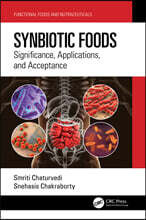
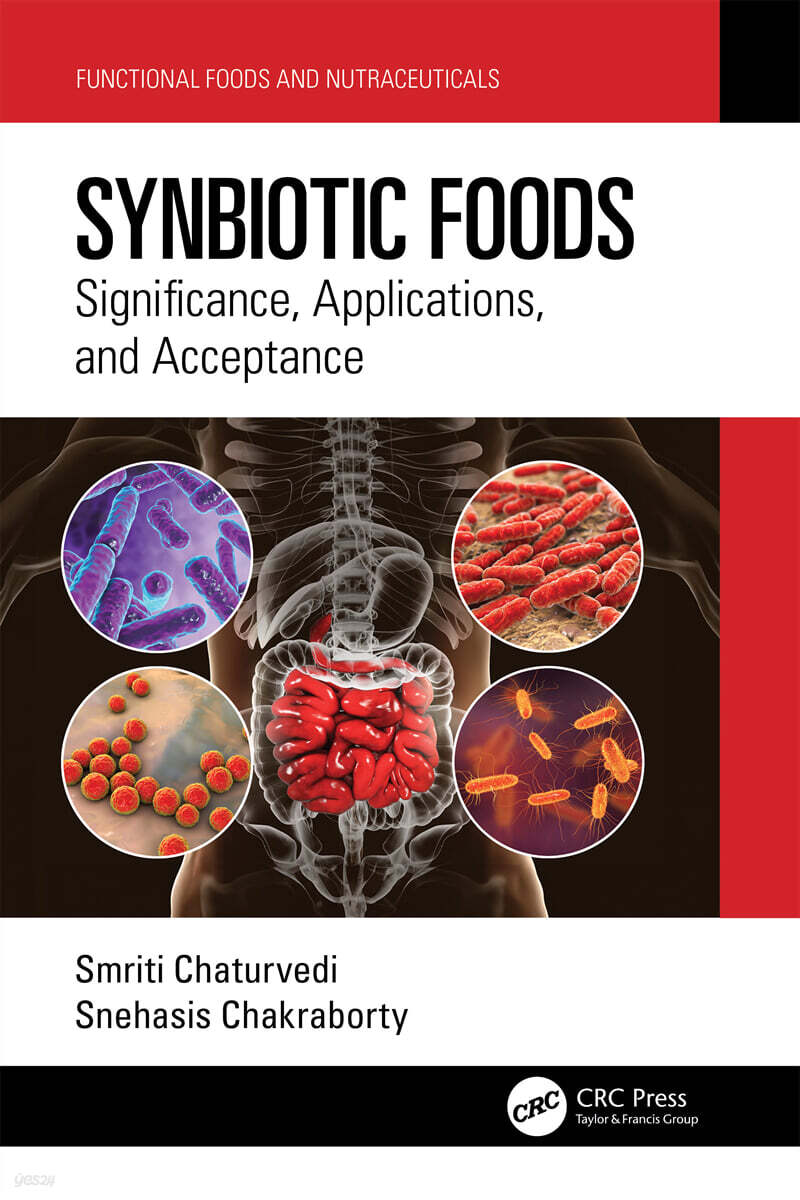
Synbiotic Foods
Significance, Applications, and Acceptance
Paperback, 1st Edition, Illustrations, Color
Smriti Chaturvedi, Snehasis Chakraborty
CRC Press
2026.06.21.
이미 소장하고 있다면 판매해 보세요.
- 국내배송만 가능
- 해외 거래처 사정에 의하여 품절/지연 가능
- 도서 정보 중 미표기 사항 안내?
- 문화비소득공제 가능
Functional Foods and Nutraceuticals
-
 Bioavailability of Nutraceuticals and Bioactive Compounds 이동Bioavailability of Nutraceuticals and Bioactive Compounds10% 432,330원
-
Korean Functional Foods: Composition, Processing and Health Benefits 이동Korean Functional Foods: Composition, Processing and Health Benefits100,000원
-
Functional Food Ingredients and Nutraceuticals 이동Functional Food Ingredients and Nutraceuticals10% 432,330원
책소개
목차
|
Table of Contents PREFACE CHAPTER 1 Introduction to Synbiotics 1.1 Probiotic 1.2 Prebiotic 1.3 Synbiotics 1.4 Mechanism 1.4.1 Probiotics 1.4.2 Prebiotics 1.4.3 Synbiotics 1.5 Health benefits 1.5.1 Metabolic syndrome 1.5.2 Inflammatory bowel disease 1.5.3 Irritable bowel syndrome 1.5.4 Diarrhea 1.5.5 Colon cancer 1.5.6 Kidney and Liver Diseases 1.5.7 Microbiome gut-brain axis 1.6 Summary 1.7 Multiple choice questions 1.8 Short answer type questions 1.9 Descriptive questions 1.10 References 1.11 Suggested readings 1.12 Answers for MCQs CHAPTER 2 Synbiotics in Dairy Industry 2.1 Dairy products as carriers of probiotics and prebiotics 2.1.1 Milk 2.1.2 Yogurt 2.1.3 Cheese 2.1.4 Ice cream 2.1.5 Butter and cream 2.1.6 Powdered milk and infant formulas 2.2 Health benefits 2.3 Challenges faced by Synbiotic Dairy products 2.4 Summary 2.5 Multiple choice questions 2.6 Short answer type questions 2.7 Descriptive questions 2.8 References 2.9 Answers for MCQs CHAPTER 3 Synbiotics in Non-Dairy Industry 3.1 Need for non-dairy synbiotics 3.2 Non-dairy products as potential probiotic carriers 3.2.1 Fruits and vegetables 3.2.2 Cereals 3.2.3 Legumes and Pulses 3.2.4 Meat 3.2.5 Food processing waste 3.3 The prebiotic activity of non-dairy products 3.4 Processing and formulation of synbiotic non-dairy products 3.4.1 Encapsulation of probiotics in the synbiotic system 3.5 Health benefits 3.5.1 Synbiotics for the Reducing Asthma 3.5.2 Synbiotics for Enhancing the Immune System 3.5.3 Synbiotics for Reducing the Risk of Cancer 3.5.4 Synbiotics for trauma patients 3.6 Challenges and Future Scope 3.7 Summary 3.8 Multiple choice questions 3.9 Short answer type questions 3.10 Descriptive questions 3.11 References 3.12 Suggested Readings 3.12 Answers for MCQs CHAPTER 4 Synbiotics in Cereal Industry 4.1 Cereal and cereal products for the development of synbiotic products 4.1.1 Oat-based products 4.1.2 Malt-based products 4.1.3. Wheat-Based Products 4.1.4. Rice-Based Products 4.1.5. Maize-Based Products 4.1.6. Millet-Based Products 4.1.7 Fermented Pseudocereal Beverages 4.2 Summary 4.3 Multiple choice questions 4.4 Short answer type questions 4.5 Descriptive questions 4.6 References 4.7 Answers for MCQs CHAPTER 5 Synbiotics in Legume Industry 5.1 Legumes and legume-based products for the development of synbiotic foods 5.1.1 Soybeans 5.1.2 Chickpeas 5.1.3 Kidney beans 5.1.4 Other Varieties of Legumes and Blends 5.2 Processing of pro/synbiotic legume-based food products 5.2.1 Pre-Treatment 5.2.2 Extraction 5.2.3 Fermentation 5.2.4 Enhanced Functionality with Innovative Processing 5.3 Fermented Pro/Synbiotic Legume-based Beverages 5.4 Summary 5.5 Multiple choice questions 5.6 Short answer type questions 5.7 Descriptive questions 5.8 References 5.9 Answers for MCQs CHAPTER 6 Synbiotics in Fruits &Vegetables Industry 6.1 F&V for the development of synbiotic products 6.2 Fruit and vegetable-based products 6.3 Probiotics as Starter Culture in Fruits and Vegetables-based Synbiotics Products 6.4 Synbiotic F&V-based Food Product: Challenges and their possible solutions 6.5 Synbiotic system from F&V-based waste 6.6 Summary 6.7 Multiple choice questions 6.8 Short answer type questions 6.9 Descriptive questions 6.10 References 6.11 Answers for MCQs CHAPTER 7 Instant Synbiotic Foods 7.1 Instant Synbiotic Food Products 7.1.1 Dairy-based 7.1.2 Fruit and vegetable-based 7.1.3 Cereal and legume based 7.1.4 Food waste based 7.2 Drying methods 7.2.1 Spray drying 7.2.2 Freeze drying 7.2.3 Foam-mat drying 7.3 Advantages of powdered synbiotic foods 7.3.1 Longer shelf life 7.3.2 Specialty food 7.3.3 Health benefits 7.4 Summary 7.5 Multiple choice questions 7.6 Short answer type questions 7.7 Descriptive questions 7.8 References 7.9 Suggested Readings 7.10 Answers for MCQs CHAPTER 8 Screening and Evaluation of Synbiotics 8.1 Screening methods 8.1.1 Selection of Probiotics 8.1.2 Selection Criteria for Prebiotic 8.2 Evaluation techniques 8.2.1 Evaluation Techniques for Probiotic Properties 8.2.2 Evaluation Techniques for prebiotic properties 8.3 Summary 8.4 Multiple choice questions 8.5 Short answer type questions 8.6 Descriptive questions 8.7 References 8.8 Suggested Readings 8.9 Answers for MCQs CHAPTER 9 Market Profile of Synbiotic Foods 9.1 Global market for Synbiotic products 9.2 Market Synopsis of Synbiotic Products 9.3 Summary 9.4 Multiple Choice Questions 9.5 Short answer type Questions 9.6 Descriptive Questions 9.7 References 9.8 Suggested Readings 9.9 Answers for MCQs CHAPTER 10 Commercial Aspects and Challenges with Synbiotics 10.1 Commercialization of Synbiotics in the Marketplace 10.2 Challenges with Synbiotics 10.2.1 Physiological challenges 10.2.2 Ecological challenges 10.2.3 Challenges during processing 10.3 Future Recommendations for Categorization of Synbiotics 10.4 Multiple-Choice Questions 10.5 Short answer type Questions 10.6 Descriptive Questions 10.7 References 10.8 Suggested Readings 10.9 Answers for MCQs CHAPTER 11 Synbiotic food products |
품목정보
- 발행일
- 2026년 06월 21일
- 쪽수, 무게, 크기
- 166쪽 | 330g | 160*230mm
- ISBN13
- 9781032302423
사락 별점0
혜택 및 유의사항밑줄0
혜택 및 유의사항상품정보안내
직수입외서의 경우, 해외거래처에서 제공하는 정보가 부족하여 제목, 표지, 가격, 유통상태 등의 정보가 미비하거나 변경되는 경우가 있습니다. 정확한 확인을 원하시는 경우, 일대일 상담으로 문의하여 주시면 답변 드리겠습니다.
(판형과 판수 등이 다양한 도서는 찾으시는 도서의 ISBN을 알려 주시면 보다 빠르고 정확한 안내가 가능합니다.)
해외거래처에서 품절인 경우, 2차 거래선을 통해 유럽과 미국 출판사로 직접 수입이 진행될 수 있습니다.
수입 진행 시점으로 부터 2~3주가 추가로 소요되며, 해외에서도 유통이 원활하지 않은 도서는 품절 안내가 지연될 수 있습니다.
해당 경우, 문자와 메일로 별도 안내를 드리고 있사오니 마이페이지에서 휴대전화번호와 메일주소를 다시 한번 확인해주시기 바랍니다.
(판형과 판수 등이 다양한 도서는 찾으시는 도서의 ISBN을 알려 주시면 보다 빠르고 정확한 안내가 가능합니다.)
해외거래처에서 품절인 경우, 2차 거래선을 통해 유럽과 미국 출판사로 직접 수입이 진행될 수 있습니다.
수입 진행 시점으로 부터 2~3주가 추가로 소요되며, 해외에서도 유통이 원활하지 않은 도서는 품절 안내가 지연될 수 있습니다.
해당 경우, 문자와 메일로 별도 안내를 드리고 있사오니 마이페이지에서 휴대전화번호와 메일주소를 다시 한번 확인해주시기 바랍니다.
115,260원
총 1개
115,260원