
이미 소장하고 있다면 판매해 보세요.
- 국내배송만 가능
- 문화비소득공제 가능
상세 이미지

목차
|
Director’s Foreword
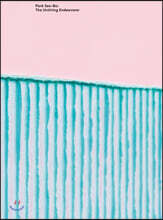
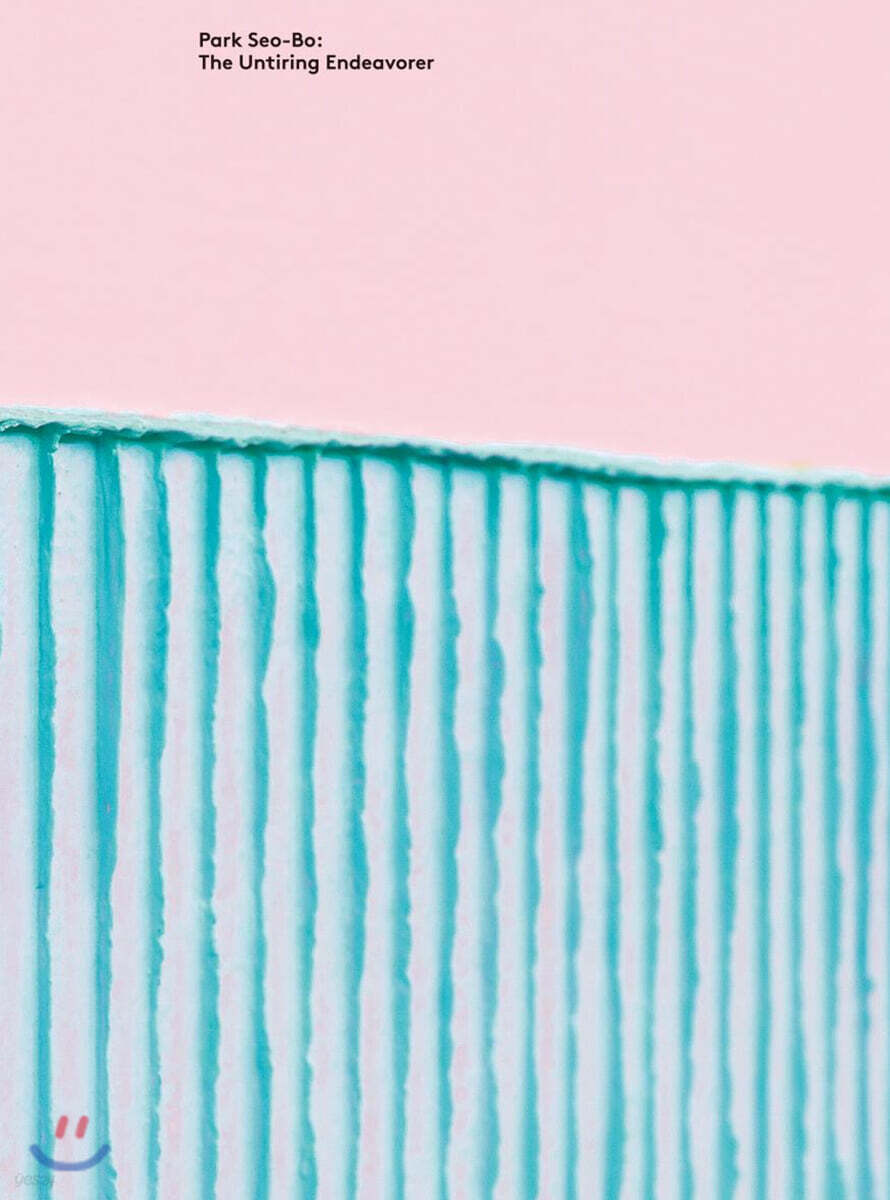
Curatorial Essay PARK Youngran/ The Untiring Endeavorer Essays - Joan Kee/ TRUE BELIEVER - KWON Youngjin/ Park Seo-Bo’s Abstract Art: Self, Modernity, Form - CHUNG Moojeong/ Materiality and Nature: From Informel to Ecriture - SIM Sunlog/ Park Seo-Bo: Zero Degree Ecriture - KI Heykyung/ Seeking a Path in Drawing: Park Seo-Bo’s Ecriture - Alexandra Munroe/ A Space of Many Dimensions - John Clark/ Park Seo-Bo in Historical and Comparative Perspective - Exhibition views Works - Esquisse Drawings - Works 1955-2019 Chronology References Acknowledgment + Colophon |
저자 소개 2
경북 예천 출신으로 1931년생이며, 홍익대학교에서 서양화를 전공했다. 홍익대학교 미술대학 회회과 교수, 홍익대학교 미술대학장, 홍익대학교 산업미술대학원장을 역임했으며, 사단법인 한국미술협회 이사장과 서보미술문화재단 이사장을 역임했다. 현재, 서보미술문화재단 상임고문이며, 한국 현대미술을 대표하는 화가이다.
박서보는 1956년 반국전 선언의 주역으로, 1957년 국내 최초의 앵포르멜 작가로 한국 현대미술사에 각인되었다. 1970년대 이후로는 단색화의 기수로 독보적인 화업을 일구어 왔을 뿐 아니라 교육자이자 행정가로 한국 현대미술의 흐름 속에 족적을 남겼다.
National Museum of Modern and Contemporary Art, Korea
1969년 경복궁에서 개관한 국립현대미술관은 이후 1973년 덕수궁 석조전 동관으로 이전하였다가 1986년 현재의 과천 부지에 국제적 규모의 시설과 야외조각장을 겸비한 미술관을 완공, 개관함으로써 한국 미술문화의 새로운 장을 열었다.
1998년에는 서울 도심에 위치한 덕수궁 석조전 서관을 국립현대미술관의 분관인 덕수궁미술관으로 개관하여 근대미술관으로서 특화된 역할을 수행하고 있다. 그리고 2013년 11월 과거 국군기무사령부가 있었던 서울 종로구 소격동에 전시실을 비롯한 프로젝트갤러리, 영화관, 다목적홀 등 복합적인 시설을 갖춘 국립현대미술관 서울을 건립·개관함으로써 다양한
1969년 경복궁에서 개관한 국립현대미술관은 이후 1973년 덕수궁 석조전 동관으로 이전하였다가 1986년 현재의 과천 부지에 국제적 규모의 시설과 야외조각장을 겸비한 미술관을 완공, 개관함으로써 한국 미술문화의 새로운 장을 열었다.
1998년에는 서울 도심에 위치한 덕수궁 석조전 서관을 국립현대미술관의 분관인 덕수궁미술관으로 개관하여 근대미술관으로서 특화된 역할을 수행하고 있다. 그리고 2013년 11월 과거 국군기무사령부가 있었던 서울 종로구 소격동에 전시실을 비롯한 프로젝트갤러리, 영화관, 다목적홀 등 복합적인 시설을 갖춘 국립현대미술관 서울을 건립·개관함으로써 다양한 활동을 통해 한국의 과거, 현재, 미래의 문화적 가치를 구현하고 있다. 또한 2018년에는 충청북도 청주시 옛 연초제조창을 재건축한 국립현대미술관 청주를 개관하여 중부권 미술문화의 명소로 자리잡고 있다.
1998년에는 서울 도심에 위치한 덕수궁 석조전 서관을 국립현대미술관의 분관인 덕수궁미술관으로 개관하여 근대미술관으로서 특화된 역할을 수행하고 있다. 그리고 2013년 11월 과거 국군기무사령부가 있었던 서울 종로구 소격동에 전시실을 비롯한 프로젝트갤러리, 영화관, 다목적홀 등 복합적인 시설을 갖춘 국립현대미술관 서울을 건립·개관함으로써 다양한 활동을 통해 한국의 과거, 현재, 미래의 문화적 가치를 구현하고 있다. 또한 2018년에는 충청북도 청주시 옛 연초제조창을 재건축한 국립현대미술관 청주를 개관하여 중부권 미술문화의 명소로 자리잡고 있다.
국립현대미술관의 다른 상품
품목정보
- 발행일
- 2019년 10월 14일
- 쪽수, 무게, 크기
- 444쪽 | 200*265*30mm
- ISBN13
- 9791196777104
책 속으로
|
Forty years is a long time to stay with one body of work. Yet if Park has chosen to remain with the “Ecriture” series for so long, it is because of his belief in painting as a medium whose possibilities are best realized when subjected to particular limitations. His is a fundamentalist belief in painting, one he maintained in spite of those in more recognized parts of the international art world who in the 1970s rushed to declare painting dead on arrival. In Korea, Park’s fundamentalist stance won him no friends among those who equated devotion to form with apolitical indifference. And in an age still coming to terms with postmodernism’s free-for-all, many might wonder at Park’s insistence on abstraction and its possibilities. We may even call it an instance of blind faith. But as Park Seobo’s rich and complex body of work reminds us, sometimes blind faith is exactly what we need most in order to see clearly.
- Joan Kee(Professor of History of Art at Michigan State University) To recoup abstraction, we must be prepared to restore our faith in art’s potential to stand for something outside our everyday social reality. And to appreciate unfamiliar abstract art, we must be able to simultaneously link and detach the work before us from the history it may have worked through. According to one reading, Park Seo-Bo epitomizes “Korean monochrome painting” as perhaps the only contemporary art movement in the world that is so purely construed as an ethical practice. According to another reading, his works could be anonymous, nation-less thresholds to a “space of many dimensions.” -Alexandra Munroe(Asian Art and Senior Advisor, Global Arts, Solomon R. Guggenheim Museum, and Interim Director, Curatorial Affairs, Guggenheim Abu Dhabi Project) |
![[ART STORY] 단색화 거장 박서보, 별이 되다](https://image.yes24.com/images/chyes24/8/7/7/9/8779cf890c9ae1045c5cd71f5d182457.jpg)