

소득공제
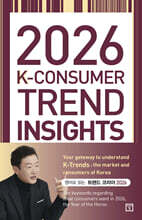
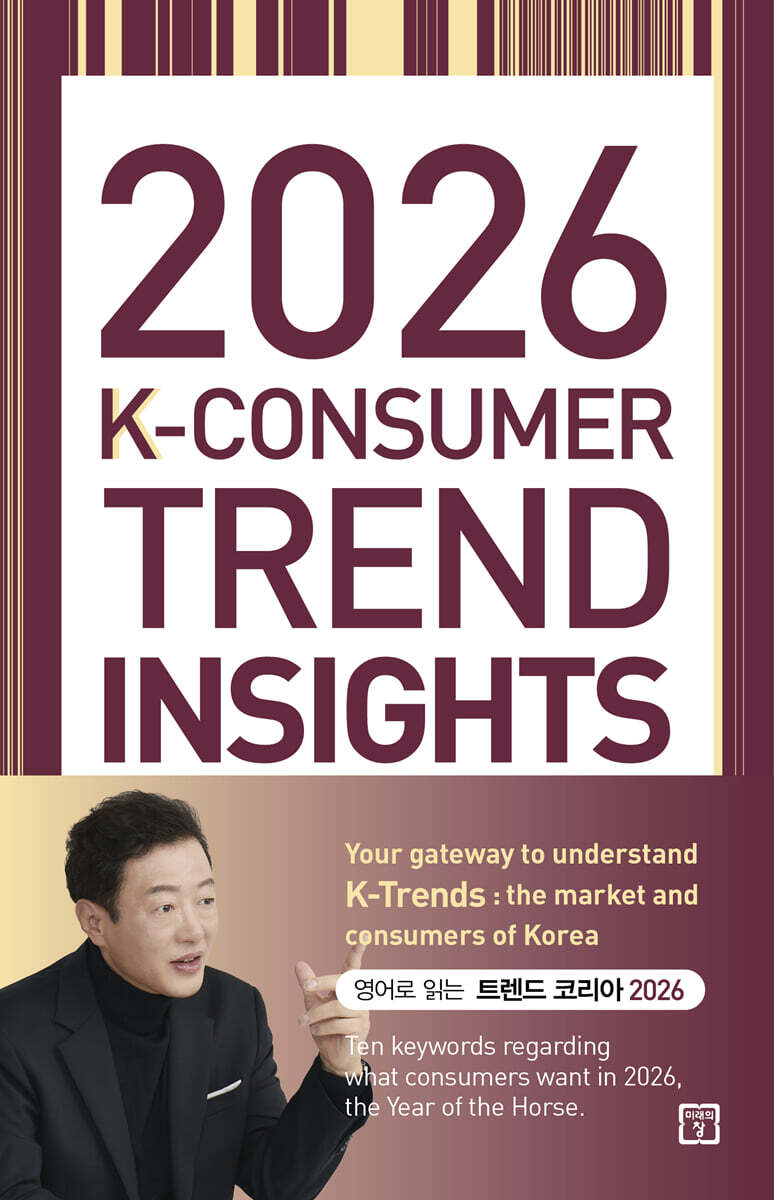
2026 K-CONSUMER TREND INSIGHTS
트렌드 코리아 2026 영문판
- 베스트
- 트렌드/미래전망 top100 4주
이미 소장하고 있다면 판매해 보세요.
- 국내배송만 가능
- 문화비소득공제 가능
책소개
목차
|
Preface 004
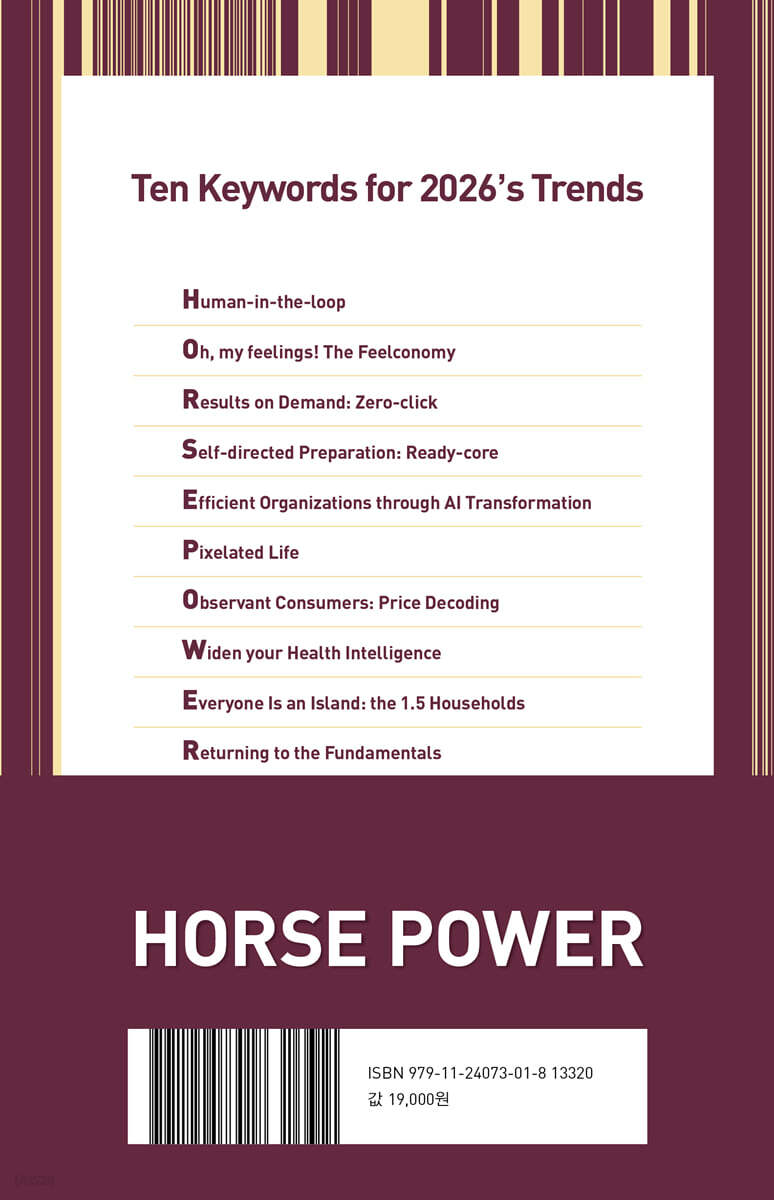
Ten Keywords Human-in-the-Loop 017 Oh, my feelings! The Feelconomy 037 Results on Demand: Zero-click 057 Self-Directed Preparation: Ready-core 075 Efficient Organizations through AI Transformation 095 Pixelated Life 121 Observant Consumers: Price Decoding 139 Widen your Health Intelligence 161 Everyone Is an Island: the 1.5 Household 179 Returning to the Fundamentals 199 |
저자 소개 12
Rando Kim
작가, 서울대 명예교수.
트렌드코리아 소비트렌드분석센터를 이끌며, 세계 소비시장의 트렌드를 연구하고 유튜버, 컨설턴트, 멘토로서도 활동하고 있다. 우리나라를 대표하는 트렌드서 <트렌드코리아> 시리즈를 2008년부터 18년간 써왔으며, 그 외에도 『김난도의 미래트렌드연구실』, 『청소년을 위한 김난도 교수의 트렌드수업』, 『K뷰티 트렌드』, 『대한민국 외식업 트렌드』, 『트렌드로드, 뉴욕 임파서블>, 『트렌드차이나』 등 많은 베스트셀러 트렌드 서적을 냈다.
온라인에서는, 유튜브 채널 <트렌드코리아 TV>를 2020년부터 진행하고, 온라인 공개 강좌 ‘K-MOOC’에서 〈소
작가, 서울대 명예교수.
트렌드코리아 소비트렌드분석센터를 이끌며, 세계 소비시장의 트렌드를 연구하고 유튜버, 컨설턴트, 멘토로서도 활동하고 있다. 우리나라를 대표하는 트렌드서 <트렌드코리아> 시리즈를 2008년부터 18년간 써왔으며, 그 외에도 『김난도의 미래트렌드연구실』, 『청소년을 위한 김난도 교수의 트렌드수업』, 『K뷰티 트렌드』, 『대한민국 외식업 트렌드』, 『트렌드로드, 뉴욕 임파서블>, 『트렌드차이나』 등 많은 베스트셀러 트렌드 서적을 냈다.
온라인에서는, 유튜브 채널 <트렌드코리아 TV>를 2020년부터 진행하고, 온라인 공개 강좌 ‘K-MOOC’에서 〈소비자와 시장〉이라는 강좌를 운영하며, 2024년부터 <김난도 GPT>를 개설했다. 이는 오픈AI의 인공지능 서비스 GPTs에 그동안 집필한 30여 권의 도서와 다수의 학술논문을 학습시켜 트렌드·경제경영·자기계발·인생관 등의 질문에 특화된 답변을 제시하게 만든 김난도 작가의 ‘디지털 쌍둥이’다.
수많은 기업과 공공기관이 다가올 미래를 대비할 수 있도록 조언하는 컨설턴트와 멘토로서의 역할도 수행하고 있다. 청와대와 장차관워크숍, 경기·경남 등 여러 교육청과 학교, 서울특별시·경기도 등 지방자치단체, 삼성전자·현대자동차·LG전자 등 대한민국을 대표하는 크고 작은 회사들에게 컨설팅과 강의를 해왔다. 『스물하나 서른아홉』, 『마켓컬리 인사이트』, 『더현대서울 인사이트』, 『소비자는 무엇을 원하는가』 등의 경제경영서도 여러 권 썼다.
1997년부터 28년 동안 서울대학교 생활과학대학 소비자학과 교수로 재직해오다가, 좀 더 자유롭고 활발한 저술에 집중하기 위해 2025년 명예퇴직했다. 앞으로 자유로운 작가로서, 더욱 다양하게 활동하려고 노력하고 있다.
Rando Kim is a professor in the Dept. of Consumer Science (DCS), Seoul National University (SNU). As a specialist in consumer behavior and market trend analysis, he has written more than 20 books including the Trend Korea series, Dining Business Trend series, Market Kurly Insight , The Hyundai Seoul Insight , Trend China, What Consumers Want, and Luxury Korea . He also wrote essay books, Amor Fati , Future and My Job , and Youth , It’s Painful which have sold three million copies in 17 countries. He has conducted research projects about consumer needs finding, new product planning, and market trend probing for Korea’s major companies like Samsung, LG, SK, CJ, Hyundai Motors, GS, LH, Amorepacific, Lotte, Fursys, Nongshim, and Coway.
트렌드코리아 소비트렌드분석센터를 이끌며, 세계 소비시장의 트렌드를 연구하고 유튜버, 컨설턴트, 멘토로서도 활동하고 있다. 우리나라를 대표하는 트렌드서 <트렌드코리아> 시리즈를 2008년부터 18년간 써왔으며, 그 외에도 『김난도의 미래트렌드연구실』, 『청소년을 위한 김난도 교수의 트렌드수업』, 『K뷰티 트렌드』, 『대한민국 외식업 트렌드』, 『트렌드로드, 뉴욕 임파서블>, 『트렌드차이나』 등 많은 베스트셀러 트렌드 서적을 냈다.
온라인에서는, 유튜브 채널 <트렌드코리아 TV>를 2020년부터 진행하고, 온라인 공개 강좌 ‘K-MOOC’에서 〈소비자와 시장〉이라는 강좌를 운영하며, 2024년부터 <김난도 GPT>를 개설했다. 이는 오픈AI의 인공지능 서비스 GPTs에 그동안 집필한 30여 권의 도서와 다수의 학술논문을 학습시켜 트렌드·경제경영·자기계발·인생관 등의 질문에 특화된 답변을 제시하게 만든 김난도 작가의 ‘디지털 쌍둥이’다.
수많은 기업과 공공기관이 다가올 미래를 대비할 수 있도록 조언하는 컨설턴트와 멘토로서의 역할도 수행하고 있다. 청와대와 장차관워크숍, 경기·경남 등 여러 교육청과 학교, 서울특별시·경기도 등 지방자치단체, 삼성전자·현대자동차·LG전자 등 대한민국을 대표하는 크고 작은 회사들에게 컨설팅과 강의를 해왔다. 『스물하나 서른아홉』, 『마켓컬리 인사이트』, 『더현대서울 인사이트』, 『소비자는 무엇을 원하는가』 등의 경제경영서도 여러 권 썼다.
1997년부터 28년 동안 서울대학교 생활과학대학 소비자학과 교수로 재직해오다가, 좀 더 자유롭고 활발한 저술에 집중하기 위해 2025년 명예퇴직했다. 앞으로 자유로운 작가로서, 더욱 다양하게 활동하려고 노력하고 있다.
Rando Kim is a professor in the Dept. of Consumer Science (DCS), Seoul National University (SNU). As a specialist in consumer behavior and market trend analysis, he has written more than 20 books including the Trend Korea series, Dining Business Trend series, Market Kurly Insight , The Hyundai Seoul Insight , Trend China, What Consumers Want, and Luxury Korea . He also wrote essay books, Amor Fati , Future and My Job , and Youth , It’s Painful which have sold three million copies in 17 countries. He has conducted research projects about consumer needs finding, new product planning, and market trend probing for Korea’s major companies like Samsung, LG, SK, CJ, Hyundai Motors, GS, LH, Amorepacific, Lotte, Fursys, Nongshim, and Coway.
김난도의 다른 상품



Miyoung Jeon,대담
트렌드코리아 소비트렌드분석센터 연구위원. 서울대 소비자학 학사·석사·박사. 다수의 기업과 트렌드 기반 신제품개발 및 미래전략 기획 업무를 수행하며, 서울대에서 소비자조사방법과 신상품개발론 과목을 강의하고 있다. 삼성경제연구소 리서치 애널리스트와 서울대 소비자학과 연구교수를 역임했으며, 한국소비자학회 최우수논문상을 수상했다. 2009년부터 〈트렌드코리아〉 시리즈 공저자로 참여하고 있으며, 『K뷰티 트렌드』, 『스물하나, 서른아홉』, 『트렌드 차이나』, 〈대한민국 외식업 트렌드〉 시리즈, 『나를 돌파하는 힘』 등을 공저했다. 하나은행 경영자문위원, 하나손해보험 여성리더 자문위원, 농
트렌드코리아 소비트렌드분석센터 연구위원. 서울대 소비자학 학사·석사·박사. 다수의 기업과 트렌드 기반 신제품개발 및 미래전략 기획 업무를 수행하며, 서울대에서 소비자조사방법과 신상품개발론 과목을 강의하고 있다. 삼성경제연구소 리서치 애널리스트와 서울대 소비자학과 연구교수를 역임했으며, 한국소비자학회 최우수논문상을 수상했다. 2009년부터 〈트렌드코리아〉 시리즈 공저자로 참여하고 있으며, 『K뷰티 트렌드』, 『스물하나, 서른아홉』, 『트렌드 차이나』, 〈대한민국 외식업 트렌드〉 시리즈, 『나를 돌파하는 힘』 등을 공저했다. 하나은행 경영자문위원, 하나손해보험 여성리더 자문위원, 농협축산 행복자문위원, 서울시 디자인자문위원, 한강시민위원, 통계청·프로축구연맹 자문위원, 교보문고 북멘토 등을 맡고 있으며, SBS 라디오 〈생활정보〉에 고정 출연하며 《동아일보》에 ‘트렌드 NOW’ 칼럼을 연재하고 있다.
Miyoung Jeon is a research fellow at the Consumer Trend Center (CTC) under Seoul National University. She holds BA, MA and PhD degrees in Consumer Science. Since 2009, she has co-authored numerous books including the annually published and top-ranked book series Trend Korea, as well as Trend China , Dining Business Trend series, and Breakthrough Power . Miyoung worked as a research analyst at Samsung Economic Research Institute, served as a research professor at SNU, and is currently a columnist for Dong-A Ilbo’s ‘Trend Now’ section. Additionally, she holds positions as the chair for Lotte Shopping’s ESG Committee and serves as an advisor for multiple organizations including LG U+, Hana Bank and the Seoul Metropolitan Government. Currently, she collaborates with various companies, focusing on new trend-based product development and strategic planning.
Miyoung Jeon is a research fellow at the Consumer Trend Center (CTC) under Seoul National University. She holds BA, MA and PhD degrees in Consumer Science. Since 2009, she has co-authored numerous books including the annually published and top-ranked book series Trend Korea, as well as Trend China , Dining Business Trend series, and Breakthrough Power . Miyoung worked as a research analyst at Samsung Economic Research Institute, served as a research professor at SNU, and is currently a columnist for Dong-A Ilbo’s ‘Trend Now’ section. Additionally, she holds positions as the chair for Lotte Shopping’s ESG Committee and serves as an advisor for multiple organizations including LG U+, Hana Bank and the Seoul Metropolitan Government. Currently, she collaborates with various companies, focusing on new trend-based product development and strategic planning.
전미영의 다른 상품

Jihye Choi
트렌드코리아 소비트렌드분석센터 연구위원. 서울대 소비자학 석사·박사. 소비자의 신제품수용, 세대별 라이프스타일 분석, 제품과 사용자 간의 관계 및 처분행동 등의 주제를 연구하며, 서울대에서 소비트렌드분석 과목을 강의하고 있다. 2011년부터 〈트렌드코리아〉 시리즈 공저자로 참여하고 있으며, 『K뷰티 트렌드』, 『더현대 서울 인사이트』, 『스물하나, 서른아홉』, 〈대한민국 외식업 트렌드〉 시리즈를 공저했다. 워싱턴주립대학교에서 공동연구자 자격으로 연수했으며, 삼성·LG·아모레·SK·코웨이·CJ 등 다수의 기업과 소비자 트렌드 발굴 및 신제품 개발 프로젝트를 수행하였다. 현재 이마트
트렌드코리아 소비트렌드분석센터 연구위원. 서울대 소비자학 석사·박사. 소비자의 신제품수용, 세대별 라이프스타일 분석, 제품과 사용자 간의 관계 및 처분행동 등의 주제를 연구하며, 서울대에서 소비트렌드분석 과목을 강의하고 있다. 2011년부터 〈트렌드코리아〉 시리즈 공저자로 참여하고 있으며, 『K뷰티 트렌드』, 『더현대 서울 인사이트』, 『스물하나, 서른아홉』, 〈대한민국 외식업 트렌드〉 시리즈를 공저했다. 워싱턴주립대학교에서 공동연구자 자격으로 연수했으며, 삼성·LG·아모레·SK·코웨이·CJ 등 다수의 기업과 소비자 트렌드 발굴 및 신제품 개발 프로젝트를 수행하였다. 현재 이마트 ESG위원회 위원장, 한국수력원자력 홍보자문협의체 자문위원, 사회공헌사업 심의위원, 피데스 개발 ‘공간보고서’ 자문위원을 맡고 있다. 《한국경제》에 ‘최지혜의 트렌드 인사이트’, 《아시아경제》에 ‘트렌드 2025’를 연재한다.
Jihye Choi, PhD in Consumer Science from DCS, SNU, works as a research fellow at CTC. She has participated in many consulting projects with Korea’s leading companies such as Samsung and LG, and gives public lectures on consumer trends. She currently teaches consumer behavior and qualitative research methodology at SNU. She contributes many articles and columns to major Korean newspapers and media.
Jihye Choi, PhD in Consumer Science from DCS, SNU, works as a research fellow at CTC. She has participated in many consulting projects with Korea’s leading companies such as Samsung and LG, and gives public lectures on consumer trends. She currently teaches consumer behavior and qualitative research methodology at SNU. She contributes many articles and columns to major Korean newspapers and media.
최지혜의 다른 상품
Jung Yun Kwon
트렌드코리아 소비트렌드분석센터 연구위원. 서울대 소비자학 학사·석사·박사. 세대 간 소비성향 전이, 물질소비와 경험소비 등의 주제를 연구하며, 웰니스 관련 소비트렌드에 관심이 많다. 『K뷰티 트렌드』, 『스물하나, 서른아홉』, 〈대한민국 외식업 트렌드〉 시리즈를 공저했으며 삼성·LG·CJ·한화·SK 등 여러 산업군의 기업과 소비자조사 및 소비트렌드 발굴 업무를 수행하고 있다. 용산공원조성추진위원회·국가스마트도시위원회 위원, 서울연구원·제주특별자치도개발공사 자문위원으로 활동 중이며 CJ 공식 유튜브 채널에서 ‘TREND CODE’ 진행, SBS 〈목돈연구소〉의 ‘트렌드연구소’ 고정
트렌드코리아 소비트렌드분석센터 연구위원. 서울대 소비자학 학사·석사·박사. 세대 간 소비성향 전이, 물질소비와 경험소비 등의 주제를 연구하며, 웰니스 관련 소비트렌드에 관심이 많다. 『K뷰티 트렌드』, 『스물하나, 서른아홉』, 〈대한민국 외식업 트렌드〉 시리즈를 공저했으며 삼성·LG·CJ·한화·SK 등 여러 산업군의 기업과 소비자조사 및 소비트렌드 발굴 업무를 수행하고 있다. 용산공원조성추진위원회·국가스마트도시위원회 위원, 서울연구원·제주특별자치도개발공사 자문위원으로 활동 중이며 CJ 공식 유튜브 채널에서 ‘TREND CODE’ 진행, SBS 〈목돈연구소〉의 ‘트렌드연구소’ 고정 패널로 출연하며 《국방일보》에 트렌드 칼럼을 연재하고 있다.
Jung Yoon Kwon currently works as a research fellow at CTC, SNU. She obtained her BA, MA, and PhD degrees in Consumer Science, SNU. She explored the intergenerational transmission of consumption styles in her PhD dissertation. She has participated in many consulting projects with leading Korean companies such as Samsung and CJ, and she also teaches an Introduction to Consumer Science course at Sung Kyun Wan University.
Jung Yoon Kwon currently works as a research fellow at CTC, SNU. She obtained her BA, MA, and PhD degrees in Consumer Science, SNU. She explored the intergenerational transmission of consumption styles in her PhD dissertation. She has participated in many consulting projects with leading Korean companies such as Samsung and CJ, and she also teaches an Introduction to Consumer Science course at Sung Kyun Wan University.
권정윤의 다른 상품
Dahye Han
트렌드코리아 소비트렌드분석센터 연구위원. 서울대 심리학 학사, 서울대 소비자학 석사·박사. 소비자행태를 다양한 데이터와 실험설계를 통해 연구하며, 서울대 학부 및 대학원에서 소비자행태론 과목을 강의하고 있다. 서울대학교 학문후속세대로 선발된 바 있으며, Q1(상위 25%) SSCI 국제 저명 학술지와 SCOPUS 등재 학술지에 논문들을 게재하고, 한국소비자광고심리학회와 한국소비문화학회에서 우수논문상을 수상하는 등 활발한 연구활동을 이어가고 있다. 『K뷰티 트렌드』, 『스물하나, 서른아홉』, 〈대한민국 외식업 트렌드〉 시리즈를 공저했으며, 현재 KBS1 라디오 〈성공예감〉의 ‘트렌
트렌드코리아 소비트렌드분석센터 연구위원. 서울대 심리학 학사, 서울대 소비자학 석사·박사. 소비자행태를 다양한 데이터와 실험설계를 통해 연구하며, 서울대 학부 및 대학원에서 소비자행태론 과목을 강의하고 있다. 서울대학교 학문후속세대로 선발된 바 있으며, Q1(상위 25%) SSCI 국제 저명 학술지와 SCOPUS 등재 학술지에 논문들을 게재하고, 한국소비자광고심리학회와 한국소비문화학회에서 우수논문상을 수상하는 등 활발한 연구활동을 이어가고 있다. 『K뷰티 트렌드』, 『스물하나, 서른아홉』, 〈대한민국 외식업 트렌드〉 시리즈를 공저했으며, 현재 KBS1 라디오 〈성공예감〉의 ‘트렌드팔로우’에 고정 출연 중이다. 삼성·SK·LG 등 주요 기업과 소비트렌드 기반 연구 프로젝트를 수행하고 있다.
Dahye Han currently works as a research fellow at CTC, SNU. She received a BA in Psychology, SNU and obtained MA and PhD degrees in Consumer Science, SNU. Her PhD dissertation focused on the structure and measurement of consumption emotions. As a researcher, she received a paper award from the Korean Consumption Culture Association in 2022. Also, she is conducting a number of consulting projects with major Korean companies, such as Samsung and LG.
Dahye Han currently works as a research fellow at CTC, SNU. She received a BA in Psychology, SNU and obtained MA and PhD degrees in Consumer Science, SNU. Her PhD dissertation focused on the structure and measurement of consumption emotions. As a researcher, she received a paper award from the Korean Consumption Culture Association in 2022. Also, she is conducting a number of consulting projects with major Korean companies, such as Samsung and LG.
한다혜의 다른 상품
Hyewon Lee
트렌드코리아 소비트렌드분석센터 연구위원. 서울대 소비자학 학사·석사·박사. 대한출판문화협회·다산북스·리더스북·카카오페이지 등에 재직하며 얻은 인사이트를 바탕으로, 연령·시기·코호트 효과, 기술 발전으로 인한 행태 변화 및 문화자본에 관심을 두고 있다. 2020 kobaco 혁신 공모전에서 장려상을 수상했으며, 〈대한민국 외식업 트렌드〉 시리즈, 『K뷰티 트렌드』 및 〈김난도의 미래 트렌드 연구실〉 시리즈를 공저했다. 대구TBN ‘Trend A to Z’ 코너의 고정 패널이며, 《전시저널》에 트렌드 칼럼을 기고하고 있다. 고려대 국토계획공기업 고급정책과정에서 ‘소비사회와 트렌드’를
트렌드코리아 소비트렌드분석센터 연구위원. 서울대 소비자학 학사·석사·박사. 대한출판문화협회·다산북스·리더스북·카카오페이지 등에 재직하며 얻은 인사이트를 바탕으로, 연령·시기·코호트 효과, 기술 발전으로 인한 행태 변화 및 문화자본에 관심을 두고 있다. 2020 kobaco 혁신 공모전에서 장려상을 수상했으며, 〈대한민국 외식업 트렌드〉 시리즈, 『K뷰티 트렌드』 및 〈김난도의 미래 트렌드 연구실〉 시리즈를 공저했다. 대구TBN ‘Trend A to Z’ 코너의 고정 패널이며, 《전시저널》에 트렌드 칼럼을 기고하고 있다. 고려대 국토계획공기업 고급정책과정에서 ‘소비사회와 트렌드’를 강의했고, 국토교통부 정책홍보 자문위원으로 활동 중이다. 다양한 분야의 기업과 공공기관, 도서관에서 트렌드 강의를 진행하며, 삼성전자·LG전자·한화손해보험·올리브영·배달의민족 등 다수의 기업에서 소비자 트렌드 프로젝트를 수행하고 있다.
Hyewon Lee is a PhD in Consumer Science, SNU and is currently a senior researcher at CTC. She is interested in generation theory and changes in consumer behavior due to technological advances, based on insights gained while working at the Korea Publishing Culture Association, Dasan Books, Reader’s Book, and Kakao Page. Recently, she has been conducting research on expanded cultural capital to explore the drivers of consumption trends that cannot be explained by economic capital.
Hyewon Lee is a PhD in Consumer Science, SNU and is currently a senior researcher at CTC. She is interested in generation theory and changes in consumer behavior due to technological advances, based on insights gained while working at the Korea Publishing Culture Association, Dasan Books, Reader’s Book, and Kakao Page. Recently, she has been conducting research on expanded cultural capital to explore the drivers of consumption trends that cannot be explained by economic capital.
이혜원의 다른 상품
Soojin Lee
트렌드코리아 소비트렌드분석센터 연구위원. 서울대학교 소비자학과에서 학사·석사·박사 학위를 취득하고, 트렌드 변화가 소비지출 패턴에 미치는 영향을 주제로 꾸준히 연구해왔다. 미국 퍼듀대학교에서 Visiting Scholar로 국제 경영 및 글로벌 소비자에 관한 연구를 수행했으며, 현재 동아대학교 경영대에서 ‘국제경영론’, ‘국제마케팅’을 강의하고 있다. 서울대학교에서는 ‘소비자심리’, ‘시장환경분석론’ 등을 강의했으며, 현대·삼성 등 다양한 기업과 협력하여 소비트렌드를 기반으로 한 미래 전략을 기획하고 있다. 한국FP학회 최우수논문상을 수상했으며, 〈트렌드코리아〉 시리즈(2016~
트렌드코리아 소비트렌드분석센터 연구위원. 서울대학교 소비자학과에서 학사·석사·박사 학위를 취득하고, 트렌드 변화가 소비지출 패턴에 미치는 영향을 주제로 꾸준히 연구해왔다. 미국 퍼듀대학교에서 Visiting Scholar로 국제 경영 및 글로벌 소비자에 관한 연구를 수행했으며, 현재 동아대학교 경영대에서 ‘국제경영론’, ‘국제마케팅’을 강의하고 있다. 서울대학교에서는 ‘소비자심리’, ‘시장환경분석론’ 등을 강의했으며, 현대·삼성 등 다양한 기업과 협력하여 소비트렌드를 기반으로 한 미래 전략을 기획하고 있다. 한국FP학회 최우수논문상을 수상했으며, 〈트렌드코리아〉 시리즈(2016~2024), 『대한민국 외식업 트렌드 Vol.1』, 『더현대 서울 인사이트』 등을 공저했다. 또한 KBS2 〈해 볼만한 아침 M&W〉의 ‘이수진의 소비트렌드’, MBC 〈김종배의 시선집중〉, KBS2 〈굿모닝 대한민국〉 등 방송 프로그램의 단골 게스트, 유튜브 채널 〈영등포경제맛집〉의 고정 출연자로 활발히 활동하고 있다.
이수진의 다른 상품
YouHyun Alex Suh
트렌드코리아 소비트렌드분석센터 연구위원. 서울대 소비자학과 강사 및 동대학원 박사, 한국과학기술원(KAIST) 문화기술대학원 공학석사, 센트럴 세인트 마틴(영국 런던예술대학교) 텍스타일 디자인 학사. AI 시대의 소비자 혁신, K뷰티와 세대별 뷰티 소비 그리고 글로벌 시각에서 본 한국 소비자의 특성 분석을 주요 연구 주제로 삼고 있으며, 서울대에서 ‘소비자 시장환경 분석론’을 강의하고 있다. 『K뷰티 트렌드』를 공저했으며, LG전자 가전사업본부 CX담당과 AI 스타트업 옴니어스에서 각각 고객경험전략 수립과 패션데이터 분석 업무를 담당했다. 삼성전자·퍼시스·에버랜드·빈폴스포츠·아모
트렌드코리아 소비트렌드분석센터 연구위원. 서울대 소비자학과 강사 및 동대학원 박사, 한국과학기술원(KAIST) 문화기술대학원 공학석사, 센트럴 세인트 마틴(영국 런던예술대학교) 텍스타일 디자인 학사. AI 시대의 소비자 혁신, K뷰티와 세대별 뷰티 소비 그리고 글로벌 시각에서 본 한국 소비자의 특성 분석을 주요 연구 주제로 삼고 있으며, 서울대에서 ‘소비자 시장환경 분석론’을 강의하고 있다. 『K뷰티 트렌드』를 공저했으며, LG전자 가전사업본부 CX담당과 AI 스타트업 옴니어스에서 각각 고객경험전략 수립과 패션데이터 분석 업무를 담당했다. 삼성전자·퍼시스·에버랜드·빈폴스포츠·아모레퍼시픽·올리브영 등 다양한 기업과 함께 소비트렌드 기반의 고객니즈 발굴 및 미래전략 프로젝트를 진행했으며, KBS 1라디오 〈생방송 주말 저녁입니다〉에 트렌드 패널로 출연 중이다.
YouHyun Alex Suh holds a Ph.D. in Consumer Science from Seoul National University, an MS in Culture Technology from KAIST, and a BA(Hons) in Textile Design from Central Saint Martins , London, UK. With a multidisciplinary background in science, art, and the humanities, she brings a unique, creative, and interdisciplinary approach to her work. Her expertise includes quantitative and qualitative research on consumer needs, with a strong focus on trend analysis, design management, consumer behavior, customer experience strategy, and new product planning. She previously worked as a Customer Experience (CX) Specialist at LG Electronics.
YouHyun Alex Suh holds a Ph.D. in Consumer Science from Seoul National University, an MS in Culture Technology from KAIST, and a BA(Hons) in Textile Design from Central Saint Martins , London, UK. With a multidisciplinary background in science, art, and the humanities, she brings a unique, creative, and interdisciplinary approach to her work. Her expertise includes quantitative and qualitative research on consumer needs, with a strong focus on trend analysis, design management, consumer behavior, customer experience strategy, and new product planning. She previously worked as a Customer Experience (CX) Specialist at LG Electronics.
서유현의 다른 상품
Dahyen Jeon
트렌드코리아 소비트렌드분석센터 연구위원. 서울대학교 소비자학 석사·박사. 패션 산업에 대한 전문성을 바탕으로 리테일 환경에서의 소비자 행동에 관심이 많다. 디지털 리테일 환경에서의 자극과 소비자 정보처리를 주제로 연구를 수행했다. 〈대한민국 외식업 트렌드〉 시리즈를 공저했으며, 현재 삼성·현대·SK 등 다수 기업과 소비자 트렌드 발굴 및 신제품 개발 업무를 수행하고 있다.
Dahyen Jeon is currently working on her PhD and is a senior researcher at CTC. She received a BA degree in Fashion
트렌드코리아 소비트렌드분석센터 연구위원. 서울대학교 소비자학 석사·박사. 패션 산업에 대한 전문성을 바탕으로 리테일 환경에서의 소비자 행동에 관심이 많다. 디지털 리테일 환경에서의 자극과 소비자 정보처리를 주제로 연구를 수행했다. 〈대한민국 외식업 트렌드〉 시리즈를 공저했으며, 현재 삼성·현대·SK 등 다수 기업과 소비자 트렌드 발굴 및 신제품 개발 업무를 수행하고 있다.
Dahyen Jeon is currently working on her PhD and is a senior researcher at CTC. She received a BA degree in Fashion Industry at Ewha Womans University and an MA degree in Consumer Science at SNU. She was awarded first place in the Korean Society of Clothing and Textiles (KSCT) contest in 2019. Her area of interest is consumer behavior in the digital retail environment. Her current research focuses on online visual cues and haptic imagery.
Dahyen Jeon is currently working on her PhD and is a senior researcher at CTC. She received a BA degree in Fashion Industry at Ewha Womans University and an MA degree in Consumer Science at SNU. She was awarded first place in the Korean Society of Clothing and Textiles (KSCT) contest in 2019. Her area of interest is consumer behavior in the digital retail environment. Her current research focuses on online visual cues and haptic imagery.
전다현의 다른 상품
June Young Lee
상명대학교 경제금융학부 교수. 서울대 소비자학 학사·석사·박사. 현재 한국소비문화학회 회장, 상명대 대외협력처장 겸 국제언어문화교육원 원장을 맡고 있다. 리테일·커머스 소비자행동 및 AI기반 고객경험 고도화에 관심이 많다. 2024년 국무총리표창(소비자권익증진 공로)을 받았고, 한국소비자학회·한국소비자정책교육학회에서 최우수논문상을 수상했다. 저서로는 『코로나가 시장을 바꾼다』, 『1코노미』, 『케미컬 라이프』, 『소비트렌드의 이해와 분석』, 『소비자 질적연구방법론』 등이 있고, JTBC 〈차이나는 클라스〉, EBS 〈내일을 여는 인문학〉, KBS 1라디오 〈빅데이터로 보는 세상〉
상명대학교 경제금융학부 교수. 서울대 소비자학 학사·석사·박사. 현재 한국소비문화학회 회장, 상명대 대외협력처장 겸 국제언어문화교육원 원장을 맡고 있다. 리테일·커머스 소비자행동 및 AI기반 고객경험 고도화에 관심이 많다. 2024년 국무총리표창(소비자권익증진 공로)을 받았고, 한국소비자학회·한국소비자정책교육학회에서 최우수논문상을 수상했다. 저서로는 『코로나가 시장을 바꾼다』, 『1코노미』, 『케미컬 라이프』, 『소비트렌드의 이해와 분석』, 『소비자 질적연구방법론』 등이 있고, JTBC 〈차이나는 클라스〉, EBS 〈내일을 여는 인문학〉, KBS 1라디오 〈빅데이터로 보는 세상〉 등에 출연했다.
June Young Lee currently works as a professor at Sangmyung University. He received a doctorate degree in Consumer Science, SNU. He received ‘The Best Paper Award’ in the International Journal of Consumer Studies . He worked as a senior researcher at Life Soft Research lab at LG Electronics. He is a laboratory chief at the Consumer Research Center in Sangmyung University.
June Young Lee currently works as a professor at Sangmyung University. He received a doctorate degree in Consumer Science, SNU. He received ‘The Best Paper Award’ in the International Journal of Consumer Studies . He worked as a senior researcher at Life Soft Research lab at LG Electronics. He is a laboratory chief at the Consumer Research Center in Sangmyung University.
이준영의 다른 상품
Hyang Eun Lee
LG전자 생활가전HS(Home appliance Solution) 사업본부 상무. 영국 센트럴 세인트 마틴 석사, 서울대 디자인학 박사. LG전자에서 고객경험[CX]혁신과 관련된 상품기획을 담당하며 혁신상품 출시, 신사업모델 발굴 및 오퍼레이션, CX에 기반한 경영전략수립, 제품/공간 서비스디자인 등 융합적 통찰력을 발휘하고 있다. 성신여대 서비스·디자인공학과 교수로서 학계와 업계를 오가며 다수의 기업 고객경험 및 프로젝트를 수행했으며, Q1(상위 25%) SSCI 및 SCIE 국제 저명 학술지에 논문들을 게재하는 등 연구활동도 왕성하다. 이론과 실무를 아우르는 전문가로서 202
LG전자 생활가전HS(Home appliance Solution) 사업본부 상무. 영국 센트럴 세인트 마틴 석사, 서울대 디자인학 박사. LG전자에서 고객경험[CX]혁신과 관련된 상품기획을 담당하며 혁신상품 출시, 신사업모델 발굴 및 오퍼레이션, CX에 기반한 경영전략수립, 제품/공간 서비스디자인 등 융합적 통찰력을 발휘하고 있다. 성신여대 서비스·디자인공학과 교수로서 학계와 업계를 오가며 다수의 기업 고객경험 및 프로젝트를 수행했으며, Q1(상위 25%) SSCI 및 SCIE 국제 저명 학술지에 논문들을 게재하는 등 연구활동도 왕성하다. 이론과 실무를 아우르는 전문가로서 2021년부터 《중앙일보》에 ‘이향은의 트렌드터치’를 연재하고 있다.
Hyang Eun Lee is an Executive Director at LG Electronics Home Appliance & Air Solution [H&A] Business Division. She holds a Master’s degree from Central Saint Martins in the UK and a Ph.D. in Design from Seoul National University. At LG Electronics, she is responsible for product planning focused on customer experience [CX] innovation. Her work includes launching innovative products, discovering and managing new business models, establishing CX-based management strategies, and designing product and space services. As a professor in the Department of Service·Design Engineering at Sungshin Women’s University, she has conducted numerous corporate customer experience projects, bridging academia and industry. She is also actively engaged in research, publishing papers in top 25% [Q1] SSCI and SCIE international journals. As an expert bridging theory and practice, she has been writing a column titled “Lee Hyang-eun’s Trend Touch” for the JoongAng Ilbo since 2021.
Hyang Eun Lee is an Executive Director at LG Electronics Home Appliance & Air Solution [H&A] Business Division. She holds a Master’s degree from Central Saint Martins in the UK and a Ph.D. in Design from Seoul National University. At LG Electronics, she is responsible for product planning focused on customer experience [CX] innovation. Her work includes launching innovative products, discovering and managing new business models, establishing CX-based management strategies, and designing product and space services. As a professor in the Department of Service·Design Engineering at Sungshin Women’s University, she has conducted numerous corporate customer experience projects, bridging academia and industry. She is also actively engaged in research, publishing papers in top 25% [Q1] SSCI and SCIE international journals. As an expert bridging theory and practice, she has been writing a column titled “Lee Hyang-eun’s Trend Touch” for the JoongAng Ilbo since 2021.
이향은의 다른 상품
트렌드코리아 소비트렌드분석센터 책임연구원. 서울대학교 소비자학과 석사, 박사과정 재학. 현대 사회에서 관찰되는 새로운 소비 양상과 이를 구성하는 소비자의 내면적 욕구 및 구조적 요인을 체계적으로 규명하는 데 관심이 많다. 최근 스몰럭셔리에 관한 소비 동기와 이에 따른 소비자 유형화를 주제로 연구를 수행했다. 『스물하나, 서른아홉』, 『K뷰티 트렌드』를 공저했으며, 현재 삼성·LG·SK·GS홈쇼핑·배달의민족·한화손해보험·올리브영·파리바게트·한국공항공사·한국토지주택공사 등 다수의 기업과 소비자 트렌드 발굴 및 전략 기획 업무를 수행하고 있다.
김나은의 다른 상품
관련 분류
- 카테고리 분류
품목정보
- 발행일
- 2025년 10월 29일
- 쪽수, 무게, 크기
- 224쪽 | 135*210*20mm
- ISBN13
- 9791124073018
책 속으로
|
Once confined to limited functions, AI now intrudes even into marital disputes, raising the fear: “Soon, there will be no work left for humans.”
But is this really true? At least for the foreseeable future, we don’ need to worry. AI’ results remain imperfect and can cause serious side effects, which is why human involvement is essential. This idea is called “human-in-the-loop” (HITL). Here, “loop” refers to the full process of a task, and HITL is the commitment that humans must intervene at some stage to enhance accuracy, add context, and inject ethical or creative judgment. It is not a passive notion of control but an active collaborative system where humans and AI combine strengths to achieve optimal results. --- p.18 This leads to the concept of “centaur talent,”a hybrid human-AI archetype. Inspired by chess champion Garry Kasparov, a centaur combines the uniquely human upper body - creativity, critical thinking, ethical judgment, empathy, and communication - with AI’s powerful lower body - fast, large-scale data processing, pattern recognition, and idea generation. The upper human defines “what to do” and “why,” while the lower horse handles “how to execute.” --- p.34 Food delivery is following the same trend. According to a Baedal Minjok survey, 32% of users open delivery apps without knowing what they want to eat, mirroring the “Netflix syndrome” where viewers endlessly scroll without choosing. To address this, Baedal Minjok launched a ChatGPT-based recommendation service in March 2024. By analyzing user reviews, it suggests menus that fit particular moods or situations. For instance, if many users write: “I was stressed at work, so I ordered spicy tteokbokki on my way home,” the system learns this pattern and recommends spicy tteokbokki to others in similarly stressed-out situations. --- p.42 The rise of expressions like “microaggression”shows how easily modern people are unsettled by even the slightest unpleasant feelings. They are not only sensitive to negative emotions but also reluctant to express things that might provoke emotional discomfort in others. Instead, they prefer indirect expression, often through non-human subjects. For instance, social media has popularized videos where cute animals embody the everyday frustrations and anger people feel. --- p.45-46 In contrast, AI-driven shopping shows no trace of this funnel model. When consumers purchase products directly recommended by AI, the step-by-step process from awareness to purchase disappears. The zero-click approach eliminates search, comparison, and selection stages. The moment a consumer feels a need (or sometimes even before) they are presented with an optimal alternative handpicked by AI. Platforms and companies predict what consumers want and deliver it first, shifting the center of consumption from the consumer’s “search capability” to the platform’s “suggestion ability.” --- p.60 This phenomenon transcends personal inclinations. A popular observation captures this perfectly: “These days, even P-types make plans.” The Perceiving personality types in MBTI ─ traditionally spontaneous individuals who adapt to circumstances as they unfold now embrace systematic planning. Contemporary life demands this transformation: securing reservations at trendy restaurants requires weeks of advance booking, while accessing festivals or performances necessitates strategic ticket battles. In this “reservation economy” where spontaneity becomes practically impossible, even naturally flexible P-types must cultivate preparatory habits. If such meticulousness applies to leisure activities, how much more critical does it become for life’s pivotal moments, like career development, marriage, and childrearing? The drive to minimize “failure costs” squandered time, emotional investment, and financial resources has evolved into a universal survival mechanism. --- p.78 Ready-core’s planning imperative extends beyond productivity into leisure itself. Contemporary “experience competition(경험 경쟁)” has rendered spontaneous enjoyment nearly obsolete. Summer festivals like Waterbomb, Psy Summer Swag(흠뻑쇼), and Pentaport Rock Festival epitomize “bloody ticketing” - intense rushes to nab tickets that crash servers. Autumn’s Seoul World Fireworks Festival triggers immediate hotel bookings at premium viewing locations, while winter’s Christmas markets operate exclusively through reservation systems. For the ready-core generation, these aren’t mere entertainment options but essential tasks that require strategic preparation. Missing an event means waiting an entire year - a cost no one will accept. --- p.81 A hallmark of AX organizations is that work boundaries are deliberately loose. Instead of belonging to a single department, members can participate in multiple teams at once and perform diverse roles. This cross-departmental move can be called “cross-positioning,” where individuals move across functions and projects. Affiliations are no longer defined narrowly as “someone from development” or “a marketer.” Instead, a person might divide time and capabilities across several initiatives - for example, 60% in core product operations, 30% in a new business task force, 10% in future design projects. This allows organizations to tap into one member’s expertise from multiple angles. --- p.101 Modern consumers’ lives mirror this. Their pixelated life is built not on a single grand narrative, but on countless fragments of consumption, taste, travel, and even emptiness that eventually form a unique picture. In an age where everything is recorded, stored, and shared, each small pixel gains meaning. Consumers in the pixelated life era are restless wanderers of experience. To meet them, brands must not aim to be destinations that end the journey, but flexible transit points within it. The challenge is to offer clear, attractive, and memorable “pixels” that consumers can carry with them, enriching the resolution of their lives. --- p.137 In the past, if a product cost 1 million won, people simply considered whether they could afford it. Today’s consumers, however, dismantle the price structure, looking into production costs, distribution margins, and brand premiums, before deciding if it is reasonable and aligns with their values. Rational consumers once focused mainly on cost-effectiveness; now they are evolving into hyper-rational buyers who analyze what’s behind prices. This new behavior, known as “price decoding,” reflects the trend of consumers breaking down prices as if solving codes and using that analysis to guide their purchase decisions. --- p.140 Raising HQ is also seen as a personal investment in a competitive society. A Korea Research survey found that 9 in 10 adults believe “physical health plays an important role in improving individual competitiveness.” Health management is no longer viewed as self-sacrifice for others, but as a personal capacity that maximizes productivity and safeguards one’s assets for retirement. In this sense, health is both a lifestyle orientation and a strategic form of self-management. --- p.175 New household forms that can no longer be explained by the old dichotomy of a blood-bound family on one side and a completely independent individual on the other are quietly but rapidly spreading. This new way of living “lone together, together alone” is the 1.5 household. Healthy relationships balance individual autonomy (1) and social connectedness (0.5). Research shows wellbeing is highest when autonomy and connection coexist, and this is exactly the balance 1.5 households pursue: solidarity that supports, yet does not compromise, independent living. In this sense, 1 + 0.5 is a social equation for our time: more stable than being fully alone, lighter than a full community. --- p.181-182 The National Museum of Korea in Yongsan-gu, Seoul, is crowded like never before. On weekends, visitors often wait about an hour and a half for parking. By the end of July 2025, cumulative visitors reached 3.41 million - a 72% increase over the previous year - with foreign visitors rising from 130,000 to 200,000. For the first time in 80 years, the museum is expected to surpass 5 million visitors. Sales of museum souvenirs, called “Mu:ds(뮷즈)” (a Korean portmanteau of “museum” and “goods”), are also breaking records. --- p.200 |
사락 별점0
혜택 및 유의사항밑줄0
혜택 및 유의사항
17,100원
총 1개
17,100원