
이미 소장하고 있다면 판매해 보세요.
- 해외배송 가능?
- 문화비소득공제 가능
우리공예 디자인리소스북
-
 Geumbak : Korean Traditional Gold Leaf Imprinting 이동Geumbak : Korean Traditional Gold Leaf Imprinting10% 14,400원
 -
Jewa : Korean Traditional Handmade Roof Tile 이동Jewa : Korean Traditional Handmade Roof Tile10% 14,400원
-
Soban: Korean Traditional Portable Dining Table 이동Soban: Korean Traditional Portable Dining Table10% 14,400원
-
Maedeup : Korean Traditional Decorative Knotting 이동Maedeup : Korean Traditional Decorative Knotting16,000원
-
Ipsa : Korean Traditional Silver or Gold Inlaying 이동Ipsa : Korean Traditional Silver or Gold Inlaying16,000원
책소개
목차
|
Contents
Chapter 1 About Hwahye Classification of Hwahye 14 Structure and Details of Hwahye 18 Types of Hwahye 22 History of Hwahye 58 Chapter 2 A Close Look at Hwahye A Story of Kkotsin 70 Korean Shoes Depicted in Art 74 Shoes of Popular Desire 80 Seasonal Korean Shoes 86 Chapter 3 Crafting Hwahye Hwahye Craftsmen 92 Materials and Tools for Making Hwahye 99 Process of Crafting Heukhye 104 Chapter 4 Enjoying Hwahye A Tradition Reborn 128 Hwahye with Soul 138 Appendix Craft & Design Map 150 List of Masters 152 List of Illustrations 153 Bibliography 156 Advisors and Advisory Institutions 158 Index 159 |
저자 소개 1
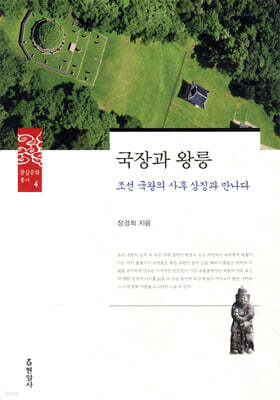
저자는 1960년 서울에서 태어나 홍익대학교 미술대학 공예과를 나오고, 같은 대학원 미술사학과에서 석박사과정을 마치고, 1999년 「조선왕조 왕실가례용 공예품 연구」로 박사학위를 받았다. 이후 문화재청에서 무형문화재 기록화 사업을 주관하면서 무형문화재와 장인을 연구하여 국가무형문화재인 『탕건장』, 『망건장』, 『갓일』, 『바디장』, 『명주짜기』를, 이후 충청남도 무형문화재인 『지승제조』, 『서천부채장』, 『홍성댕댕이장』을 집필하였고, 서울특별시 무형문화재인 『오죽장』을 집필하였다. 그 밖에 『의궤 속 조선의 장인』, 『조선왕실의 궁릉의물』, 『북한의 박물관』을 비롯한 다수의 저서
저자는 1960년 서울에서 태어나 홍익대학교 미술대학 공예과를 나오고, 같은 대학원 미술사학과에서 석박사과정을 마치고, 1999년 「조선왕조 왕실가례용 공예품 연구」로 박사학위를 받았다. 이후 문화재청에서 무형문화재 기록화 사업을 주관하면서 무형문화재와 장인을 연구하여 국가무형문화재인 『탕건장』, 『망건장』, 『갓일』, 『바디장』, 『명주짜기』를, 이후 충청남도 무형문화재인 『지승제조』, 『서천부채장』, 『홍성댕댕이장』을 집필하였고, 서울특별시 무형문화재인 『오죽장』을 집필하였다. 그 밖에 『의궤 속 조선의 장인』, 『조선왕실의 궁릉의물』, 『북한의 박물관』을 비롯한 다수의 저서와 수십 편의 논문을 발표하였다. 현재, 한서대학교 문화재보존학과 교수이자 한국전통문화연구소 소장이며, 문화재청 문화재위원을 비롯하여 충청남도 외 서울특별시 및 대전직할시 문화재위원으로 활동하고 있다.
장경희의 다른 상품
품목정보
- 발행일
- 2019년 12월 11일
- 쪽수, 무게, 크기
- 161쪽 | 346g | 152*210*20mm
- ISBN13
- 9791189321260
책 속으로
|
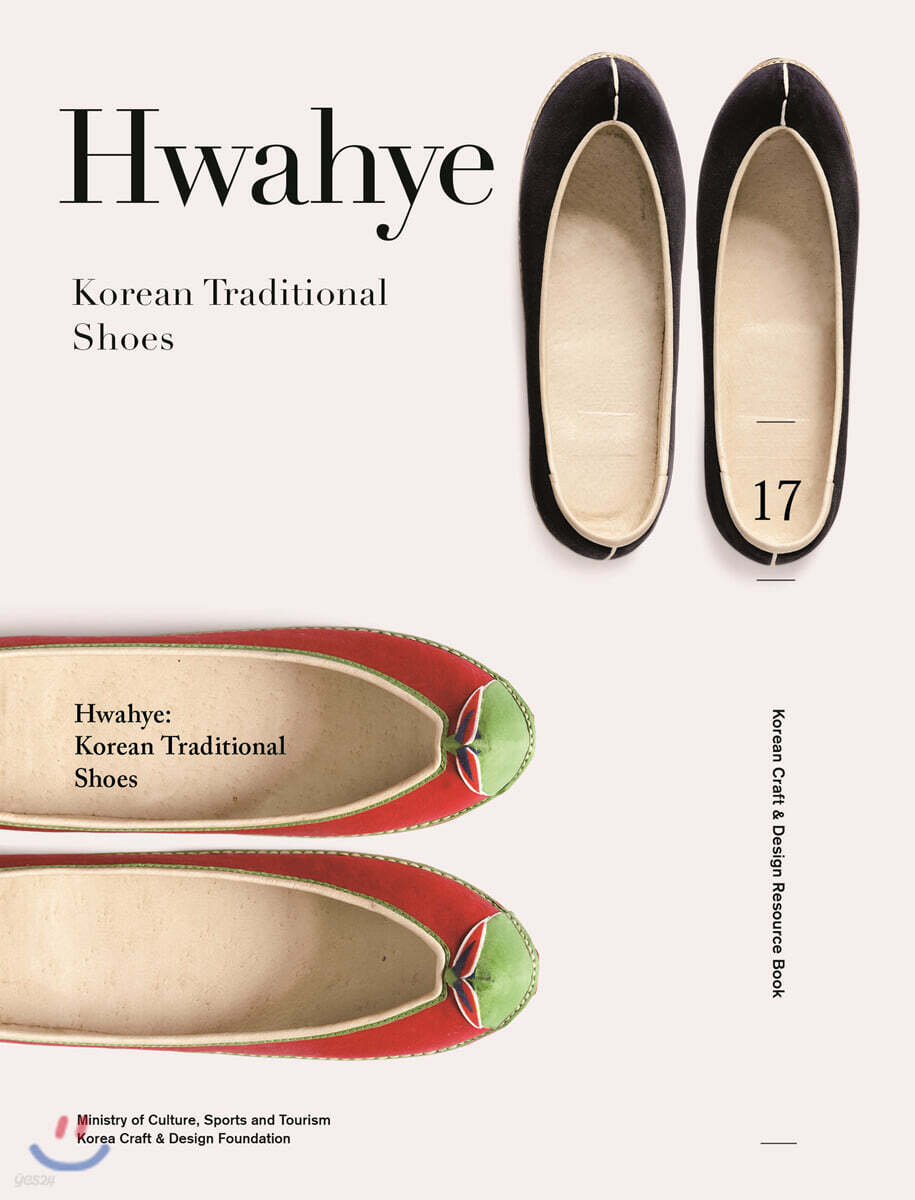
It is said that a good pair of shoes completes the look, be it formal attire or otherwise. And just as dress shoes go well with suits, one should also put on appropriate footwear when wearing hanbok, or Korean traditional clothing. this case, what kind of traditional Korean shoes are there? Who is going to put on these shoes, when, and why? Who makes these shoes and what are they made of? These questions triggered my interest in writing this book. I sincerely hope it helps to answer these questions. a plethora of research has been conducted on Korean clothing, it is hard to find much on Korean shoes. There are some books and papers regarding various footwear, but it is not easy for the general public to understand them because they are often cited with difficult-to-read Chinese characters. Similarly, there are hardly any good archaeological papers out there that delve into shoe artifacts. Occasionally, museums will produce catalogues introducing only the shoes in their own collections, and from time to time, a Hwahyejang holder of a National, Provincial, or Municipal title of Intangible Cultural Heritage will publish a book on their own techniques for crafting traditional shoes. purpose of this book, then, is to summarize the existing research on hwahye. The book also intends to emphasize the characteristics and strengths of this resource series as planned and published by the Korea Craft & Design Foundation. We aim to provide readers with references and visual materials in relation to Korean traditional shoes with simple descriptions and sophisticated designs at a glance.
-Writers. Kyunghee Jang Since ancient times, it has been said that shoes complete the look. Our ancestors considered putting on neat outfits to be proper manners. They wore clothes, put on a hat, and paired their shoes with their outfit. Choosing a good pair of shoes not only completed the look but also showed the wearer's sense of style. put on clothes to cover, protect, and decorate their bodies. Likewise, they chose footwear that protected their feet and represented their social status. The history of shoes is as long as that of clothes, and in Korea shoes have been crafted and worn from very early times. There are many different materials for making shoes, and the material dictates their name and style. Therefore, before discussing shoes, we need to know what they are called. Names of Korean traditional shoes are often written in Chinese characters and classified into three categories, depending on the height of the shoe. This classification is known as hwa-hye-ri (靴鞋履). High-top shoes or boots rising over the ankles are called hwa 靴. Shoes that do not cover the ankle are called hye 鞋. Shoes made from plaited plants, such as jipsin and mituri, are called ri 履. --- p.14~15 When did you start making hwahye? My grandfather supplied heukhye, the final touch to any government official's outfit, to the government office in Hapcheon, Gyeongsangnam-do province, at the end of Joseon period. Afterward, my father inherited the family business and dedicated his life to crafting traditional shoes. This is why I was able to learn shoemaking techniques over his shoulder while running errands. I got involved when I was twelve years old and naturally started making shoes in earnest when I was nineteen. What makes hwahye appealing? Hwahye are not only our tradition but also an art itself. When you quietly sit and look at the shoes, you can feel the subtle, natural beauty and warmth from the curves and colors. It is an antique elegance and beauty. The up-turned toe is like a sail boat, flickering an artistically beautiful line. Unlike Western shoes, two pieces of the shoes are identical, the left and right are the same. Our ancestors essentially broke into the shoes to get the perfect fit. These customizable shoes are a perfect example of people's wisdom. In a sense, hwahye deliver the history and wisdom of life as an invaluable legacy and treasure. You have upheld traditional shoemaking methods. How are hwahye created? Because these traditional methods represent our cultural roots, I have stuck with them despite living in a high-tech society. That is the only way we preserve the beauty and feel of our traditions. Each pair of shoes is unique and we do everything manually, sewing stitch by stitch. Glue should be made of rice starch or cowhide. I have to make holes using a gimlet in the thick and tough cowhide sole and sew it onto the upper of the shoe. As this process must be done while the glue is still sticky, the craftsman must work on the stitch for two uninterrupted hours. The shoe sizes are slightly adjusted with the singol, or wooden shoe mold. These are usually made from pear, cherry, or mulberry wood. To shape a shoe, the craftsman needs to pound the shoe over the mold more than 500 times using a wood hammer. The whole process is quite complex, from the preparation of natural materials to the repeated processes of unaffected drying. This process should be repeated many times and every step must be done manually. Therefore, it takes about two weeks to a month to complete all the procedures for making a single pair of shoes. interview [Hwahye, the simple beauty of Korean tradition ] --- p.143 |
출판사 리뷰
|
The beauty of traditional craft that embodies our ancestors’wisdom
Since the ancient times, hwa (high-neck shoes) and hye (flats) co-existed in our society.They are a traditional craft and the symbolic traditional shoes of the Koreanculture. These aesthetic Hwahye areengineered for comfort as well. This is also why Hwahye are also called a scientific legacy that embodies our ancestors’wisdom. Hwahye: Korean Traditional Shoes encompasses the narrative of our traditional craft?Hwahye. The book is an approachable yetcomprehensive book that tells everything from “The definition and history of Hwahye” and “Korean traditional shoes found in paintings,” to the “Production process of Heukhye (black leather shoes),” and “Traditional shoes reborn.” The book is embedded withpainstaking research and rich insight, and simplified with even the hardest ofhistorical references. It is also a compilation of scattered information with aplenty of visuals. In particular, these visualsinclude the production process demonstrated by the Busan Metropolitan CityIntangible Cultural Heritage title holder, Master Ahn Hae-pyo, which is vividlyportrayed via photos and video (via QR scan). Contemporary artworks made bycraftsmen of today show how traditions are interpreted in the present scene. There’san interview with Master Ahn Hae-pyo at the end of the book. The book not onlydepicts the current address of our traditional crafts, but it also shows howthey are passed down and charts new paths forward. |